
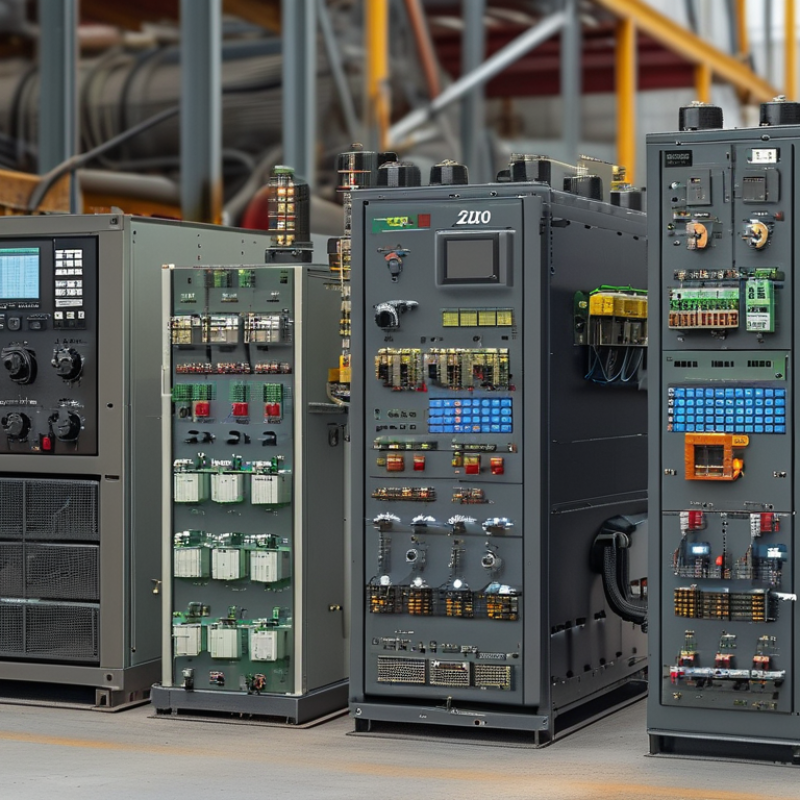
2026 Best Electricity Controller Types for Global Buyers
Electricity controllers include relay, solid-state, motor, and smart control units. Each type creates different safety and compliance risks. Relay controllers suit simple switching, while solid-state units manage frequent cycles with less mechanical wear. Smart controllers add sensors, software, and network security concerns. Selection should begin with voltage, current, load type, enclosure rating, and fault behavior.
Regional compliance is not interchangeable. European sales may require CE marking, EMC assessment, and low-voltage safety evaluation. North American buyers often request certification against applicable UL or CSA requirements. Australia and New Zealand commonly use RCM pathways, while China and Korea may require additional local approvals. Requirements can change by product category, installation environment, and import route. A familiar compliance mark is not enough. Review the latest rules with an accredited laboratory or qualified local engineer.
Tips: Request the test report, declaration, wiring diagram, and traceable component information. Check whether the controller was tested with your actual load, not only a laboratory substitute. Confirm IP or NEMA enclosure ratings for dust, moisture, and outdoor exposure. Installers should verify grounding, overcurrent protection, isolation distances, and emergency shutdown access. Software updates also deserve attention. A secure controller can still fail through poor configuration. No checklist is perfect. I have seen projects delayed because the certificate covered the controller, but not the complete assembled panel. Allow time for regional retesting and technical review.