2026 Top Rotameter Flow Meter Buying Guide for Global Buyers?
In the world of industrial measurements, the Rotameter Flow Meter stands out for its simplicity and reliability. This device measures fluid flow through a vertical tapered tube, often providing real-time readings. For global buyers, selecting the right rotameter is crucial. Factors such as fluid type, flow range, and environmental conditions must be considered.
Understanding the various types and applications of rotameters will empower buyers to make informed choices. Not all rotameters are created equal; some may falter under extreme conditions. Ensuring accuracy is vital for both operational efficiency and safety.
While many manufacturers claim expertise, not all products meet rigorous standards. Therefore, buyers need to verify the credibility of suppliers. Investing the time to research and analyze can prevent costly mistakes. In the ever-evolving landscape of flow measurement, informed decisions will lead to better outcomes.
Overview of Rotameter Flow Meters and Their Applications
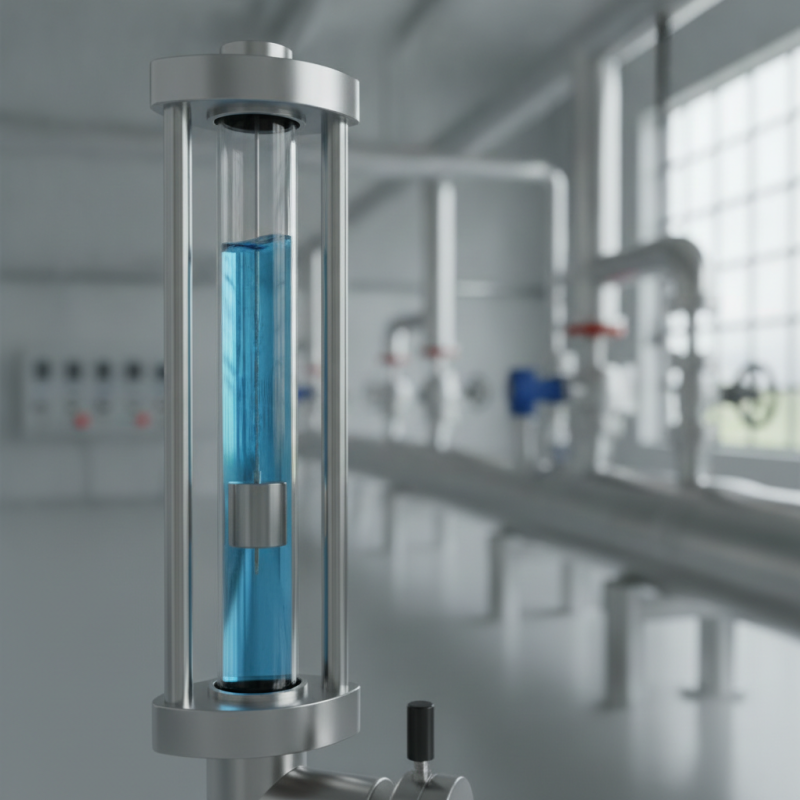
Rotameter flow meters play a crucial role in various industries, monitoring fluid flow with high accuracy. Common applications include chemical processing, water treatment, and food processing. A rotameter consists of a tapered tube and a float, which rises or falls depending on the flow rate. This simple yet effective design allows for easy reading of flow measurements.
The global flow meter market is witnessing significant growth, projected to reach $8 billion by 2026, according to a recent industry report. This growth reflects the increasing demand for efficient fluid measurement in various sectors. Rotameters are favored for their simplicity and versatility. However, they can be less accurate at very low flow rates or highly viscous fluids, which is a limitation to consider.
For industries requiring high precision, electronic flow meters may offer better performance. It’s essential to evaluate specific needs before purchasing a rotameter. Factors to consider include the type of fluid, temperature ranges, and pressure conditions. Understanding the unique characteristics of your application is vital for ensuring optimal performance and reliability.
2026 Top Rotameter Flow Meter Buying Guide for Global Buyers
| Flow Meter Type | Measurement Range | Accuracy | Material | Applications |
| Glass Rotameter | 0.1 to 10 L/min | ±2% FS | Glass | Laboratories, Chemical Processing |
| Metal Rotameter | 0.5 to 1000 L/min | ±1.5% FS | Stainless Steel | Oil and Gas, Water Treatment |
| Digital Rotameter | 0.01 to 100 L/min | ±1% FS | Plastic/Metal | Pharmaceuticals, Food Processing |
| Variable Area Flow Meter | 1 to 5000 L/min | ±3% FS | Metal/Glass | HVAC, Water Supply |
Key Features to Consider When Buying a Rotameter Flow Meter
When purchasing a rotameter flow meter, understanding key features is crucial. Accuracy is paramount. A report by the Flow Measurement Technical Committee cites that even a 1% error in measurement can lead to significant inefficiencies in industrial applications. Many rotameters offer accuracy ratings of ±2% to ±5% of full scale, which is essential in precise applications.
Material compatibility also plays a vital role. Depending on your application, you may require a rotameter made from glass, metal, or plastic. Each material has its strengths and weaknesses. For example, glass offers clarity for visual checks, while metal is more durable but may not be suitable for corrosive fluids. Knowing your fluid type can prevent failures and costly downtime.
Flow range is another factor to consider. Some rotameters handle low flow rates, while others are designed for high flows. A general market analysis indicates that rotameters with varying flow ranges can improve operational flexibility. It's not just about finding the right device; it's about ensuring it fits your specific operational needs. This area is often overlooked, leading to the purchase of inadequate equipment.
Comparison of Rotameter Types: Glass vs. Plastic vs. Digital
When choosing a rotameter, understanding the differences between glass, plastic, and digital types is crucial. Glass rotameters offer high accuracy and are ideal for laboratory settings. They can measure flow rates precisely within 1% of full scale. Their transparent body allows for easy visual inspection. However, they are fragile and can break easily, raising concerns in harsh environments.
Plastic rotameters, on the other hand, are more durable and resistant to corrosion. They work well in various industries, including chemicals and wastewater management. Although they are less accurate than glass options, with tolerances around 3%, their resilience makes them reliable for robust applications. Digital rotameters typically provide automated readings, reducing human error. Reports suggest that these devices can improve operational efficiency by 20% due to instant data access and lower maintenance needs. However, they can be more expensive to implement.
While selecting the appropriate type, buyers should weigh their environment and specific needs. Understanding these aspects can lead to better operational choices. Each rotameter type has its pros and cons. For instance, glass provides visibility but is fragile; plastic offers durability but may sacrifice accuracy. Digital options bring advanced features but at a higher cost. Reflecting on these trade-offs can enhance decision-making in flow measurement.
Comparison of Rotameter Types: Glass vs. Plastic vs. Digital
Top Brands and Manufacturers of Rotameter Flow Meters in 2026
When exploring rotameter flow meters in 2026, understanding top brands and manufacturers is crucial. Many established names in the industry continue to lead the market. Their consistent innovation keeps them relevant. They focus on durability and precision in their products. This dedication helps them gain trust from engineers and professionals worldwide.
However, not all manufacturers deliver the same experience. Some may offer lower prices but sacrifice quality. It's essential to evaluate reliability before purchasing. Buyer reviews can provide insight into real-world performance. Analyzing feedback helps identify brands that may need improvement. Look for those that maintain a strong reputation over time.
The market is evolving, with emerging companies making waves. Fresh ideas can disrupt traditional practices. Some contenders offer unique features that challenge the status quo. However, new doesn't always mean better. Careful research into new entrants is necessary. Buyers should remain cautious and consider both reputation and performance. This balance leads to informed decisions in selecting the right rotameter flow meter.
Tips for Maintaining and Calibrating Your Rotameter Flow Meter
Maintaining a rotameter flow meter is essential for accurate measurements. Regular calibration ensures that your device functions correctly. Calibration should be performed by a qualified technician. This step verifies measurement accuracy and helps prevent errors in flow readings.
Tips for maintaining your rotameter include regular inspections. Check for dirt or debris that may obstruct the float. Such obstructions can lead to false readings. Clean the device gently to avoid damaging it. Also, ensure that the flow meter is installed correctly. Misalignment can impact performance and reduce lifespan.
It's important to document any maintenance activities. Keeping a record helps track performance trends. If you notice consistent discrepancies in readings, consider consulting an expert. Over time, components may wear out. Timely repairs can prolong the life of your rotameter. Regular attention to these details contributes to reliable flow measurements.