Top Benefits of Production CNC Machining for Enhanced Manufacturing Efficiency
The landscape of manufacturing is continuously evolving, with technology playing a crucial role in enhancing operational efficiency. One of the most significant advancements in this field is the adoption of production CNC machining. This innovative process leverages computer-controlled machinery to perform a wide range of manufacturing tasks with precision and speed. By minimizing human error and maximizing repeatability, production CNC machining not only improves the quality of the final products but also optimizes production timelines.
In today’s competitive market, the benefits of implementing production CNC machining are manifold. Manufacturers can achieve higher output levels while maintaining stringent quality standards, thus meeting the increasing demands of consumers. Additionally, the adaptability of CNC systems allows for rapid changes in production processes, making it easier to accommodate custom orders and quick turnarounds. This flexibility is vital for businesses seeking to enhance their operational efficiency and reduce lead times in an ever-dynamic industry.
Ultimately, understanding the top benefits of production CNC machining can illuminate pathways for manufacturers aiming to thrive in a fast-paced environment. As we delve deeper into its advantages, it becomes clear that this technology is not merely a trend, but a foundational element for driving innovation and efficiency in modern manufacturing practices.
Understanding CNC Machining: A Key Component of Modern Manufacturing
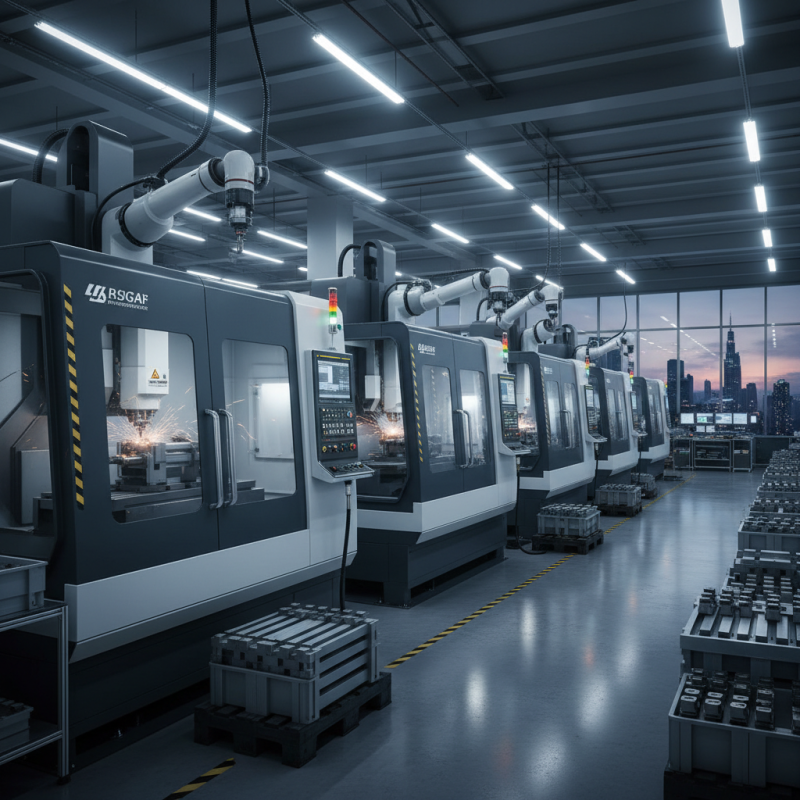
CNC machining, which stands for Computer Numerical Control machining, is revolutionizing the landscape of modern manufacturing by automating intricate processes. This technology allows for precise control over machining tools, enabling manufacturers to produce complex parts with exceptional accuracy and repeatability. By converting digital designs into physical components through processes like milling, turning, and drilling, CNC machining minimizes human error and significantly speeds up production times. This precision not only enhances product quality but also optimizes material usage, resulting in less waste and a more sustainable manufacturing approach.
Moreover, the adaptability of CNC machines further bolsters their value in modern manufacturing. These systems can be programmed to handle a wide array of materials and can be easily reconfigured for different production runs. This flexibility allows manufacturers to respond swiftly to market demands and customize products to meet specific client needs. The integration of CNC machining in various sectors—ranging from aerospace to medical—to streamline operations highlights its essential role in contemporary manufacturing processes. As industries continue to embrace advanced technologies, the importance of CNC machining will only grow, driving efficiency and innovation forward.
Top Benefits of Production CNC Machining for Enhanced Manufacturing Efficiency
This chart illustrates the key benefits of CNC machining in modern manufacturing. With high scores in precision and speed, CNC machining significantly enhances manufacturing efficiency while offering cost savings and flexibility.
Advantages of CNC Machining in Streamlining Production Processes
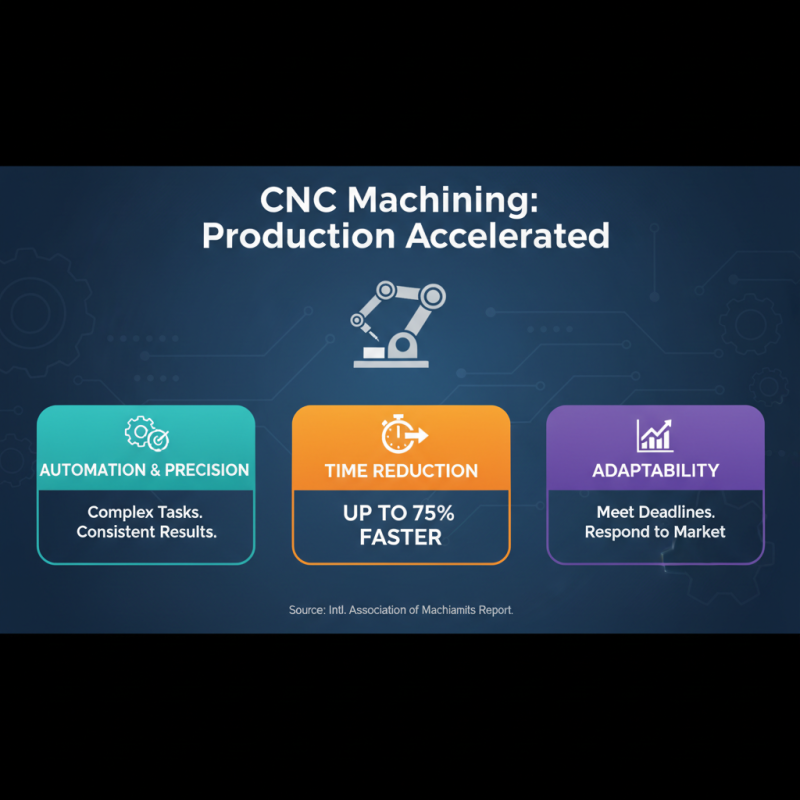
CNC machining, or Computer Numerical Control machining, offers significant advantages in streamlining production processes. One of the primary benefits is its ability to automate complex tasks with precision and consistency. According to a recent industry report by the International Association of Machinists, CNC machining can reduce production time by as much as 75% compared to traditional machining methods. This efficiency allows manufacturers to meet tight deadlines and respond quickly to fluctuating market demands.
Another key advantage of CNC machining is its capacity for intricate designs. With advanced software controlling the cutting tools, manufacturers can create detailed components that would be challenging to produce manually. A study by the Manufacturing Technologies Association indicates that more than 60% of manufacturers have reported improved product quality and reduced material waste due to the accuracy of CNC machining. This not only enhances productivity but also leads to cost savings in both materials and labor.
Tips: When implementing CNC machining, consider investing in state-of-the-art software that integrates seamlessly with your existing systems. This can enhance workflow efficiency and minimize downtime. Additionally, prioritize employee training on CNC technology to maximize the benefits of automation and maintain high production standards.
Improved Precision and Accuracy in CNC Machined Components
CNC machining has transformed the manufacturing landscape by significantly enhancing the precision and accuracy of machined components. One of the primary advantages of this technology is its ability to produce intricate designs that meet exact specifications. With the use of computer-controlled machines, manufacturers can achieve tolerances that may be impossible to replicate with traditional machining methods. This level of detail ensures that each component fits seamlessly into assemblies, reducing the likelihood of errors during production and assembly processes.
Moreover, the improved precision leads to reduced material waste and lower costs. By optimizing cutting paths and settings, CNC machining minimizes the amount of scrap material generated during production. This not only cuts down on expenses but also contributes to more sustainable manufacturing practices. The high accuracy of CNC machined parts also means that fewer adjustments are needed during assembly, further enhancing overall productivity. As industries continue to demand higher quality standards, the role of CNC machining in achieving improved precision and accuracy cannot be overstated.
Top Benefits of Production CNC Machining for Enhanced Manufacturing Efficiency - Improved Precision and Accuracy in CNC Machined Components
| Benefit |
Description |
Impact on Manufacturing |
Example Component |
| Higher Precision |
CNC machining allows for tight tolerances, leading to enhanced component fit and reliability. |
Minimizes errors and reduces rework costs. |
Automotive Engine Parts |
| Consistency |
Each component is produced using the same specifications, leading to uniform quality. |
Ensures standards are met for mass production. |
Medical Devices |
| Greater Flexibility |
CNC machines can be easily reprogrammed for different designs without extensive downtime. |
Adapts quickly to market demands. |
Custom Tooling |
| Reduced Production Time |
CNC machining can rapidly produce parts, saving time in the manufacturing process. |
Increases throughput and profits. |
Aerospace Components |
| Enhanced Safety |
Automated processes reduce human error and accidents on shop floors. |
Improves workplace safety and compliance. |
High-Precision Machined Parts |
Enhancing Flexibility and Customization in Manufacturing with CNC
CNC machining has revolutionized the manufacturing sector, particularly in enhancing flexibility and customization. According to a report by Deloitte, nearly 50% of manufacturers are prioritizing customization as a key competitive strategy, with CNC technology enabling them to quickly adapt to changing market demands. This adaptability stems from CNC machines' ability to be easily reprogrammed for different tasks, allowing manufacturers to shift from large-scale production of a single product to creating small batches of varied designs without significant downtime.
Moreover, the precision of CNC machining facilitates intricate designs that were previously challenging or impossible to execute with traditional methods. A survey conducted by the American Society of Mechanical Engineers noted that 70% of manufacturers have reported improved product quality due to the capabilities of CNC technology. This not only leads to an increase in customer satisfaction but also reduces waste, as the precision minimizes errors during the production process. The enhanced flexibility offered by CNC machining thus stands as a critical factor in meeting the diverse needs of consumers while simultaneously optimizing operational efficiencies in modern manufacturing environments.
Cost Efficiency: How CNC Machining Reduces Manufacturing Expenses
CNC machining has revolutionized the manufacturing process, providing companies with a significant edge in cost efficiency. By automating the production process, CNC machines minimize human error, leading to a more precise output and reducing the need for rework. This not only saves time but also lowers the overall manufacturing expenses. The initial investment in CNC technology can seem daunting; however, the long-term savings on labor, material waste, and production errors typically offset these costs quickly.
To maximize the cost benefits of CNC machining, it’s essential to implement best practices. First, invest in training for your staff to ensure they can operate CNC machines efficiently. Knowledgeable employees can optimize the machining process, leading to quicker turnaround times and superior quality. Additionally, regular maintenance of your CNC machines can prevent costly breakdowns and downtime, further safeguarding your investment.
Another tip is to leverage advanced CNC software for better project planning. By simulating machining processes before actual production begins, manufacturers can identify potential issues and optimize the design for cost savings. This proactive approach not only streamlines production but also helps in minimizing the material costs associated with production errors. Embracing technology and continuous improvement will undoubtedly enhance overall manufacturing efficiency.