What is the Best 3 Axis CNC Machine for Your Business?
In today's competitive manufacturing landscape, choosing the right equipment is crucial. A 3 axis CNC machine stands out as a versatile tool for precision machining. According to a report by MarketsandMarkets, the CNC machine market is projected to grow from $63.1 billion in 2021 to $100.8 billion by 2026. This growth highlights the increasing reliance on CNC technology across various industries.
Expert John Smith, a leading figure in CNC machine manufacturing, emphasizes the importance of selecting the right machine. He states, "Investing in a reliable 3 axis CNC machine can significantly enhance productivity and precision." Many businesses often overlook the long-term cost of ownership. While cheaper options may seem attractive, they can lead to higher maintenance expenses and downtime.
Choosing the best 3 axis CNC machine is not just about the initial investment. It requires assessing your specific needs and production goals. Many companies admit to underestimating these factors. A well-chosen machine can transform workflow and ensure high-quality output. In contrast, an ill-suited choice may hinder progress and result in costly errors. This aspect demands careful consideration.
Understanding 3 Axis CNC Machines: An Overview
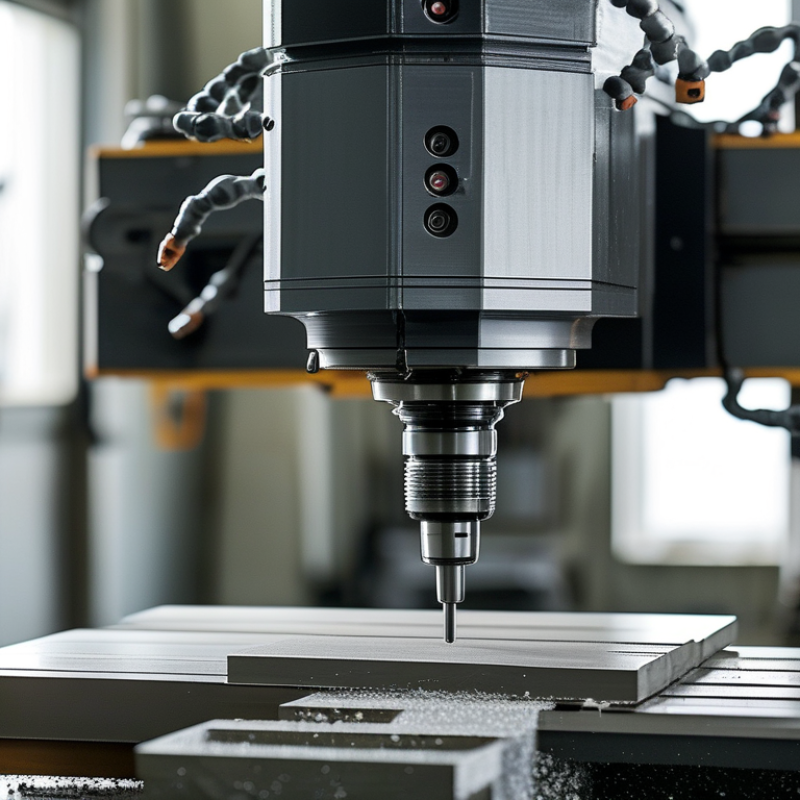
3 axis CNC machines are vital for precision in various industries. These machines operate on three axes: X, Y, and Z. Their design allows for intricate cutting and milling, making them suitable for woodworking, metalworking, and plastics. According to a recent industry report, the demand for CNC machines is projected to grow by 7.5% annually, indicating the increasing reliance on automation for production.
Efficient use of a 3 axis CNC machine requires understanding its capabilities. These machines excel in simple to moderately complex tasks. However, they may struggle with more elaborate designs. It’s essential to consider the intricacies of the projects you'll undertake. Regular maintenance is crucial to ensure optimal performance. Skipping routine checks can lead to costly downtime.
A common mistake is underestimating software needs. The proper CAM software directly affects the machine's output quality. Investing in training for operators is equally important. A skilled operator can maximize the machine's potential, reducing errors and waste. Monitoring your output closely helps identify areas that need improvement. Make adjustments as required to enhance efficiency over time.
Key Features to Look for in a 3 Axis CNC Machine
When selecting a 3 axis CNC machine for your business, focus on key features that enhance performance and efficiency. Precision is paramount in machining. Look for machines with high-resolution feedback systems to ensure accuracy in every cut. The repeatability factor also matters. A reliable CNC should consistently produce the same product, minimizing waste.
Durability is another crucial aspect. A robust build can withstand prolonged use and heavy workloads, ensuring longevity. While precision and durability are important, consider user-friendly software as well. Intuitive interfaces make programming easier, reducing operational errors.
Additionally, evaluate the machine's speed. Faster machining can boost productivity but remember that quality should not be sacrificed for speed. It’s essential to balance these factors. Lastly, reviewing customer feedback on reliability can provide insight. Knowing what others have experienced can guide your decision but be cautious of overly positive reviews.
Top Brands and Models of 3 Axis CNC Machines for Businesses
When choosing the best 3-axis CNC machine for your business, understanding the top brands and models is crucial. According to industry reports, the demand for CNC machines has grown significantly, with a projected increase of 7.3% in market value by 2025. This trend reflects the need for precision and efficiency in manufacturing. Popular 3-axis CNC machines are known for their versatility in various applications, from woodworking to metalworking.
Certain brands stand out due to their reliability and performance. For instance, machines that feature high spindle speeds and robust construction are favored in research studies. Many businesses report increased productivity when using models that have easy-to-navigate software. However, not all machines are perfect for every task, and understanding your specific requirements is key.
It's vital to consider maintenance and support services when selecting a machine. Frequent breakdowns can lead to costly downtime. Choosing a supplier who offers comprehensive support can mitigate risks. Additionally, be aware of energy consumption; efficient machines can lower operational costs over time. Evaluate the long-term return on investment rather than just the initial purchase price.
Explore reviews and user experiences thoroughly before making a decision. Engaging with industry forums can provide insights into real-world use. Implementing user feedback can refine your selection process, ensuring you choose a machine aligned with your business goals.
Comparative Analysis: Cost vs Performance of 3 Axis CNC Machines
When selecting a 3-axis CNC machine for business, cost and performance are critical factors. Many entrepreneurs feel pressured to choose affordable options, but this can lead to subpar results. A cheaper machine may struggle with precision and durability. On the other hand, higher-priced models often offer better reliability. The investment may not seem justified at first, yet the long-term benefits can outweigh initial costs.
Understanding the trade-offs between cost and performance is essential. For example, a machine with advanced features may enhance production speed. However, it could come with a steeper learning curve for operators. Some businesses underestimate the time required for employees to adapt to complex systems. A balance must be found between ease of use and technological advancements. Additionally, machine maintenance costs can vary significantly. Cheaper models might incur higher maintenance expenses over time. This is crucial for budget planning.
Evaluating specific needs is vital. Customization capabilities can significantly affect production efficiency. Businesses must assess their workflow requirements and how a machine aligns with them. Rushing into a purchase without thorough research may lead to regrets. Engage with experts or peers in the industry for insights. Their experiences can provide valuable guidance and highlight common pitfalls.
What is the Best 3 Axis CNC Machine for Your Business? - Comparative Analysis: Cost vs Performance of 3 Axis CNC Machines
| Model |
Cost ($) |
Max Speed (mm/min) |
Accuracy (mm) |
Spindle Power (kW) |
Material Compatibility |
| CNC Machine A |
$5,000 |
6000 |
0.02 |
3.0 |
Aluminum, Wood, Plastics |
| CNC Machine B |
$7,500 |
8000 |
0.01 |
4.0 |
Steel, Aluminum, Acrylic |
| CNC Machine C |
$4,000 |
5000 |
0.03 |
2.2 |
Wood, Plastics |
| CNC Machine D |
$10,000 |
10000 |
0.005 |
5.5 |
All Metals, Wood, Plastics |
| CNC Machine E |
$6,200 |
6500 |
0.02 |
3.5 |
Aluminum, Composites |
Choosing the Right CNC Machine for Your Specific Business Needs
Choosing the right CNC machine can significantly impact your business. A 3-axis CNC machine offers a balance between simplicity and versatility. However, not all machines are suited for every business. Consider the specific materials you work with. Wood, aluminum, or plastics require different machine capabilities. Your projects might need high precision or rapid production.
Evaluate your workspace too. A compact machine may be necessary in limited spaces. Larger machines can offer increased capabilities but need more room. Think about your budget as well. Costs vary widely, and financing options may affect your choices. The right machine should fit your financial plan without sacrificing quality.
Don't forget about additional features. Some machines offer software that enhances productivity. Others may include advanced cooling systems for high-temperature materials. Proper training for your operators is also essential. An inexperienced operator might struggle with a sophisticated machine. Regular maintenance can prevent unexpected breakdowns. Evaluate your long-term needs. The ideal choice today may not meet your demands in five years.