2026 Best Cordless Polisher for Car Detailing?
Choosing the 2026 Best Cordless Polisher for Car Detailing involves more than comparing battery size or advertised speed. A cordless polisher should correct light swirls, spread polish evenly, and remain comfortable during longer sessions. It must also provide controlled movement around mirrors, badges, and curved panels.
Real detailing experience reveals small differences. A balanced tool feels steadier near a door edge. A soft-start trigger reduces sudden pad movement. Reliable battery indicators prevent unexpected interruptions halfway through a hood. Variable speed matters too, because heavy correction and finishing work require different levels of control. The best Cordless Polisher is not always the fastest model.
This guide examines cutting performance, vibration, runtime, charging time, backing-plate compatibility, and overall handling. It also considers paint safety, since excessive pressure or heat can damage delicate finishes. Independent product specifications offer useful clues, but hands-on testing remains important. Even careful testing has limits. Results can change with pad type, compound choice, paint hardness, and user technique.
Some tools may impress during a short demonstration but feel tiring after several panels. Others may lack headline power yet deliver smoother, more predictable results. That difference matters in real garages and mobile detailing setups. The following evaluation focuses on practical ownership, honest weaknesses, and measurable performance. It aims to help beginners and experienced detailers choose confidently without treating marketing claims as final proof.
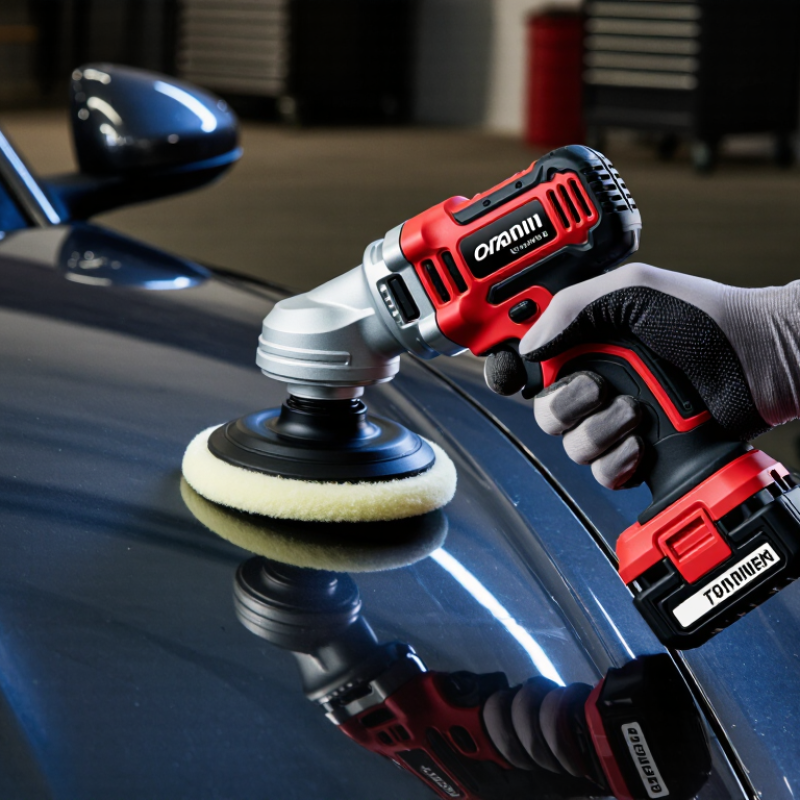
What Is a Cordless Polisher and How Does It Work?
A cordless polisher is a battery-powered tool that rotates or oscillates a polishing pad. It removes light defects by combining pad movement, polish, pressure, and controlled speed. Unlike a hand applicator, it maintains steadier motion across curved panels. The battery feeds an electric motor, while gears transfer power to the backing plate. In dual-action models, the pad spins and moves in a small orbit. That orbit spreads heat and compound more evenly. Rotary models spin on one axis and cut faster.
During detailing, I start with a clean, dry panel and a small test area. A medium-speed setting usually gives better control than maximum power. I apply a few drops of compound, keep the pad flat, and work slowly in overlapping passes. The tool should move continuously. Pausing can create heat marks, especially on thin paint. I check the surface under strong, angled light after wiping residue. This reveals whether defects are reduced or merely hidden by oils.
Cordless freedom helps around mirrors, wheels, and driveways, but batteries add weight. A nearly empty battery may reduce performance unexpectedly. I learned this after stopping halfway through a panel. Not every scratch should be polished away; deep damage may need professional assessment. Use eye protection, hearing protection, and the pad size recommended for the tool. Read the operating guide, because speed ranges and battery limits vary. The machine saves effort, not judgment.
2026 Best Cordless Polisher for Car Detailing? What Is a Cordless Polisher and How Does It Work?
A cordless polisher uses a rechargeable battery to power a motor that rotates a polishing pad. Most dual-action models combine rotation with an orbital movement, helping distribute heat and reduce the risk of paint damage. The speed ranges below represent common operating levels used for spreading polish, correcting light defects, and finishing automotive paint.
Which Features Matter for Car Detailing in 2026?
2026 Best Cordless Polisher for Car Detailing?
For 2026, battery runtime matters more than headline power. SEMA’s 2024 Market Report valued U.S. specialty-equipment sales at about $52.6 billion in 2023. That growing market includes more mobile and enthusiast-led detailing work. A useful cordless polisher should handle several panels without noticeable voltage drop. Look for a replaceable battery, fast charging, and a clear charge indicator. Battery capacity alone can mislead. Motor efficiency and pressure control also affect real working time.
Speed control is essential for paint correction. A low setting helps spread compound without throwing product across glass. Higher speeds can refine defects, but they also create heat quickly. I prefer a soft-start trigger, stable speed under load, and a comfortable grip near the backing plate. A compact head helps around mirrors and door edges. Tool balance matters after the second hour. It matters more than impressive peak torque.
Noise and vibration deserve attention. NIOSH recommends limiting occupational noise exposure to 85 dBA over an eight-hour workday. Check the manufacturer’s measured noise data, not vague “quiet” language. IEC 62841 also provides safety requirements for hand-held motor-operated tools. I still tend to overvalue polishing speed. That is a mistake on soft clear coat. A smaller orbit, controlled heat, and a 75–125 mm backing plate can produce safer, more consistent results. Water resistance is useful, but it never replaces careful cleaning and inspection.
How to Choose the Right Polisher for Each Detailing Task
2026 Best Cordless Polisher for Car Detailing?
Choosing the right cordless polisher depends on the detailing task, not the newest specification. For light wax spreading, a compact dual-action machine feels controlled and reduces wrist strain. Its smaller backing plate also reaches around mirrors and narrow body lines. For moderate swirl removal, choose adjustable speed, steady torque, and a five- or six-inch plate. You need correction without overheating the clear coat.
For deeper defects, a stronger machine may work faster with a cutting pad. However, extra power can create more heat and visible haze. I test a small area first, using low speed and two short passes. The paint may respond differently than expected. Soft black paint often needs a finishing pad afterward. Hard clear coat may require another controlled pass instead.
Battery life matters during full-vehicle work. A practical setup includes two charged batteries, a quick charger, and a comfortable grip. Check the machine’s balance with the battery attached. An awkward tool becomes tiring on roof panels. Keep the pad flat, clean it often, and watch its temperature. I once focused too much on defect removal and ignored pad buildup. The finish looked uneven under direct lighting. Good detailing requires inspection between passes, not confidence alone.
How to Use a Cordless Polisher Safely and Effectively
A cordless polisher can make car detailing easier, but safe control matters more than speed. Before working, inspect the battery, backing plate, pad, and trigger. A cracked pad or loose plate can damage paint quickly. Wear eye protection, use hearing protection, and work in a well-ventilated area.
Clean the vehicle carefully and remove grit from the surface. Test the polish on a hidden section first. Set the machine to a low speed, then place the pad flat before pressing the trigger. Move slowly in small, overlapping passes. Use light pressure. Let the pad and compound do the work. Keep the tool moving, especially near sharp edges and body lines. Stop often and touch the panel with your hand. If it feels hot, allow it to cool.
I once focused too much on removing a dull mark and stayed on one area too long. The finish became warmer than expected, so I stopped and changed my approach. That mistake reminded me that patience protects clear coat. Keep the pad clean, because trapped residue can create fresh scratches. Do not lift the spinning pad abruptly from the surface. Release the trigger first. Follow the tool’s manual for battery care, speed limits, and compatible accessories. Small checks feel slow, but they prevent expensive corrections.