Metal 3D printing has moved beyond research labs. In 2026, manufacturers can choose systems for prototypes, production parts, and specialized tooling. Yet the best metal 3d printing machine depends on the job, not the boldest product claim. Part size, alloy compatibility, throughput, and total operating cost all matter.
This guide looks at seven machines through practical questions: What materials can they process? How much space and support equipment do they need? Can their build volume handle the parts you actually make? A compact system may suit a small engineering team, while a production line needs predictable output, service access, and repeatable quality. Those details are easy to overlook. They can change the real cost of ownership.
Specifications are useful, but they do not tell the whole story. A quoted build rate may not reflect setup, post-processing, or inspection time. Buyers should verify performance claims with application data and discuss maintenance needs with manufacturers. No machine is ideal for every shop. Some trade speed for flexibility; others require more infrastructure than their footprint suggests. That is worth questioning. The comparisons ahead explain what each option may suit, where it may fall short, and which details deserve closer review before a purchase decision.
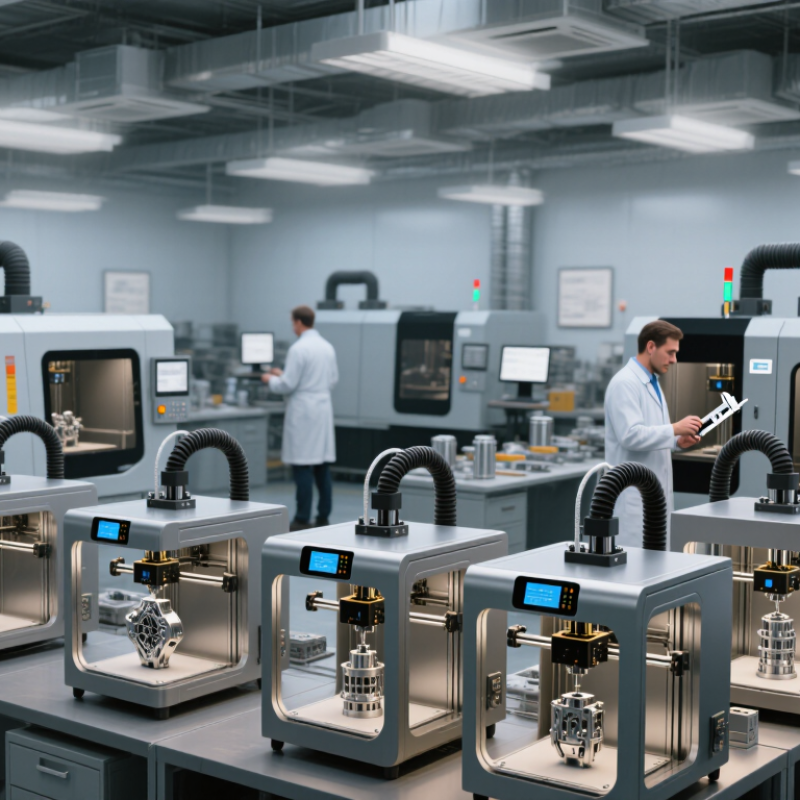
Metal 3D printing machines build parts from digital designs, one thin layer at a time. In powder-bed systems, a blade spreads fine metal powder across a build platform. A laser or electron beam selectively melts areas matching the sliced design. The platform then lowers, and the cycle repeats. That is the core process. Inert gas can help limit oxidation while the part forms, but settings must match the material and geometry.
Other machines bind metal powder before a furnace step, so the printed shape shrinks as it densifies. Either way, printing is only part of the job. Operators may remove supports, heat-treat parts, machine critical surfaces, and inspect dimensions or internal defects. A part can look smooth yet contain flaws. Results depend on powder quality, calibration, build orientation, and process control—not just the machine’s advertised resolution.
Tips: Check material certificates and inspection records before choosing a process. Ask how the supplier controls powder reuse and verifies finished parts. Leave room for support removal and machining in the design. Small test builds help reveal distortion early. That step is easy to underestimate.
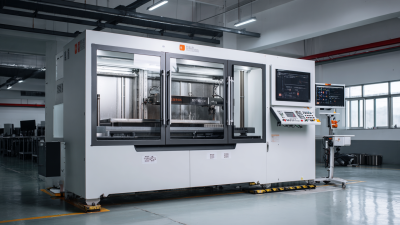
When comparing metal 3D printers, start with the part, not the machine’s headline speed. Check build volume against your largest component, then compare materials, layer thickness, and demonstrated density. Ask for repeatability data across multiple builds, not just a polished sample. A single impressive part proves little.
Wohlers Report 2024 valued the entire additive manufacturing industry at $20.035 billion in 2023, up 11.1% year over year. That figure covers more than metal printing, but it shows why careful equipment selection matters. Compare cost per accepted part, including powder handling, inert-gas use, supports, heat treatment, and machining. Verify quoted productivity with your geometry and production schedule. A neat spec sheet can still mislead. No scorecard is perfect; published test conditions may differ from your factory.
Tips: Request sample parts made from your alloy and inspect their surface, dimensions, and internal porosity. Ask how often calibration is needed, and what routine maintenance actually takes. Check powder recovery and traceability procedures. These details affect both throughput and consistency. If possible, run a small pilot build before committing. It may reveal awkward workflow gaps.
Seven leading metal 3D printing machines in 2026 serve different production needs, rather than one universal workflow. A compact laser powder bed fusion system suits small, detailed parts, while a larger single-laser machine offers more build space for fixtures and housings. Multi-laser systems can increase throughput, though alignment and process consistency need close attention. Electron beam powder bed fusion handles reactive alloys in a controlled vacuum environment, but its surface finish may require extra work.
Binder jetting is a candidate for batches of smaller components; parts need careful debinding and sintering afterward. Directed energy deposition can add material to existing parts or create larger forms, although fine details are harder to achieve. Bound-metal extrusion offers a more accessible route for prototypes and lower-volume work, with shrinkage during sintering demanding accurate compensation. Those are seven distinct machine approaches, not a strict ranking.
In practice, compare usable build volume, supported alloys, monitoring tools, and the full post-processing setup. Ask for sample parts made with your geometry, not just polished showcase pieces. Check dimensional reports and repeatability across builds. A machine’s quoted speed can be misleading if support removal, heat treatment, or machining adds days. I would also test powder handling and maintenance demands early; these details are easy to underestimate, and some remain difficult to compare from brochures alone.
Metal 3D printers differ less by headline speed than by feedstock, energy source, and part geometry. Powder bed fusion suits detailed components, while directed energy deposition can add material to larger parts or repair worn areas. Binder jetting builds parts quickly, but debinding and sintering add steps and can cause shrinkage. That matters.
Common metals include stainless steel, aluminum alloys, titanium alloys, and nickel-based alloys. Each brings trade-offs: titanium is light and strong, but powder handling and process control demand care. Stainless steel is versatile, though printed parts may still need support removal, heat treatment, and machining. A shiny surface does not prove a part is production-ready.
The Wohlers Report 2024 estimates that the entire additive manufacturing industry generated $21.8 billion in revenue in 2023, an 11.1% rise from 2022. This figure covers all additive manufacturing, not metal printing alone. For aerospace, medical, automotive, or tooling work, compare qualified materials, build volume, repeatability, and post-processing capacity—not just parts per hour. A printer may finish a build overnight, yet inspection and finishing can take days. Even experienced teams sometimes underestimate that gap. Check whether suppliers publish material data and repeatability results for the exact machine, alloy, and process settings you plan to use.
A process-based comparison of seven metal additive manufacturing machine types. Build envelopes and material options are indicative industry ranges; actual capabilities depend on the machine configuration, qualified material, and production workflow. “Best” describes the most suitable use case, not a universal ranking.
| Machine type | Best suited for | Typical build envelope | Common materials | Applications | Production capabilities | Key considerations |
|---|---|---|---|---|---|---|
| Laser powder bed fusion (LPBF) | Detailed, high-performance parts and complex internal geometries | Approximately 100–500 mm per axis for many industrial systems; larger-format systems are available | Stainless and tool steels, aluminium alloys, titanium alloys, nickel-based superalloys, cobalt-chrome | Aerospace brackets, medical implants, conformal-cooled tooling, lightweight structures | Fine features and high geometric complexity; multiple lasers can increase build productivity. Supports repeatable production after process qualification. | Requires powder handling, support removal, and commonly stress relief or other post-processing. Build rate depends on part layout, material, and machine configuration. |
| Electron beam powder bed fusion (EB-PBF) | Reactive alloys and applications suited to elevated-temperature powder-bed processing | Typically around 200–500 mm per axis, depending on the system | Titanium alloys, titanium aluminides, and selected cobalt-chrome alloys | Aerospace components, orthopedic implants, porous structures, high-temperature alloy parts | Can build multiple parts in a powder cake and is well suited to certain titanium components; production output depends on part packing and the thermal cycle. | Generally offers coarser feature resolution and surface finish than many laser powder-bed processes. Requires vacuum operation and powder recovery. |
| Laser directed energy deposition (laser DED) | Repair, feature addition, and larger parts with localized material deposition | From several hundred millimetres to metre-scale work envelopes, often determined by the motion system or robot | Stainless steel, titanium alloys, nickel-based alloys, cobalt alloys, and selected aluminium alloys | Turbine and tooling repair, adding features to forgings, near-net-shape components | Deposits material onto a substrate and can support multi-axis paths. Deposition rates are generally higher than fine-feature powder-bed processes, with machining often needed for final dimensions. | Typically produces a rougher surface and lower geometric detail than powder-bed fusion. Material compatibility and dilution with the substrate require process control. |
| Wire arc additive manufacturing (WAAM) | Large metal structures and comparatively high material deposition rates | Often metre-scale; the practical envelope depends on the robot, gantry, and work cell | Weldable aluminium, stainless steel, carbon steel, titanium, and nickel-based alloys | Large aerospace structures, marine components, tooling, structural prototypes | Uses an electric arc and wire feedstock; can build large near-net-shape parts quickly relative to fine-feature metal printing. Final machining is commonly required. | Feature size and surface finish are relatively coarse. Heat input, distortion, and residual stress need to be managed through planning and process control. |
| Metal binder jetting | Batch production of smaller parts without supports during printing | Commonly around 100–400 mm per axis, varying by system | Stainless steels, tool steels, copper, and selected nickel alloys, depending on the qualified process | Small industrial components, tooling inserts, fluid-handling parts, production batches | Prints parts by selectively binding metal powder, followed by curing, depowdering, and sintering. Batch nesting can support higher part counts. | Sintering causes shrinkage that must be compensated for; achievable density, dimensions, and material options depend on the powder and sintering recipe. |
| Metal material extrusion with debinding and sintering | Accessible production of smaller components with simpler geometries | Often around 100–300 mm per axis, depending on the machine and material system | Stainless steels, tool steels, and copper in qualified feedstock systems | Jigs and fixtures, small functional parts, brackets, housings, educational and industrial prototyping | Shapes metal-powder-filled feedstock, then removes binder and sinters the part. Multiple parts can be printed together within the build area. | Parts shrink during sintering and need allowance in the design. Size, wall thickness, and geometry are limited by debinding and sintering requirements. |
| Cold-spray additive manufacturing | Large-area deposition and repair where low bulk heating is advantageous | Often hundreds of millimetres to metre-scale, depending on the robotic or gantry work cell | Commonly aluminium, copper, nickel, titanium, and selected steels; compatibility is material-pair and process dependent | Component repair, coatings, near-net-shape builds, restoration of worn metal parts | Accelerates powder particles to form a solid-state deposit. Can build or restore material without melting the feedstock in the deposition process. | Part geometry, bonding, and final properties depend on powder, substrate, and process settings. Machining and inspection may be needed for production parts. |
Choosing a metal 3D printer starts with the part, not the machine. List the alloy, annual quantity, largest dimensions, and required tolerances. A small titanium bracket and a large stainless-steel housing need different build volumes and workflows. Powder-bed fusion suits intricate parts and fine features, but requires powder handling and support removal. Directed energy deposition can add material to larger components, though its surface finish and detail may require extra machining. Check sample parts made from your intended alloy, not just the specification sheet.
Then compare the whole production route. Ask about inert-gas controls, operator training, inspection, and access to heat treatment or machining. Request documented build data and repeatability results; a successful demonstration is not proof of consistent production. Wohlers Associates reported that the additive manufacturing industry reached $20.0 billion in revenue in 2023, an 11.1% increase over 2022. That broad market figure signals growing adoption, not guaranteed savings for an individual buyer. Calculate cost per accepted part, including material, labor, post-processing, and failed builds. The overlooked costs matter. I would also leave room for uncertainty: published cycle times rarely capture every setup delay, and real shop conditions can change the comparison.

© Copyrights Levil Technology Corp 2022