The Best Poly Powder Coating Options for Global Buyers?
Poly Powder Coating has gained immense popularity in various industries due to its durability and versatility. According to a market research report by Grand View Research, the global powder coating market size is expected to reach USD 11.1 billion by 2025. This growth signals an increasing demand for efficient, environmentally friendly coating solutions. Poly Powder Coating stands out for its excellent resistance to corrosion and scratches, making it ideal for automotive, architectural, and appliance applications.
Despite its advantages, potential buyers should carefully consider their options. The performance of Poly Powder Coating can vary based on formulation and application technique. For example, differing cure times and temperatures can lead to variations in finish quality. Additionally, the color and texture options may not always meet specific project requirements. A well-informed choice involves understanding these factors alongside supplier capabilities.
Choosing the right Poly Powder Coating is a significant decision for global buyers. Manufacturing best practices and quality standards play a crucial role in ensuring consistent results. As competition grows, manufacturers strive to offer innovative solutions that align with industry needs. Therefore, thorough research and evaluation are essential to navigate this dynamic market landscape effectively.
Overview of Poly Powder Coating Benefits and Applications
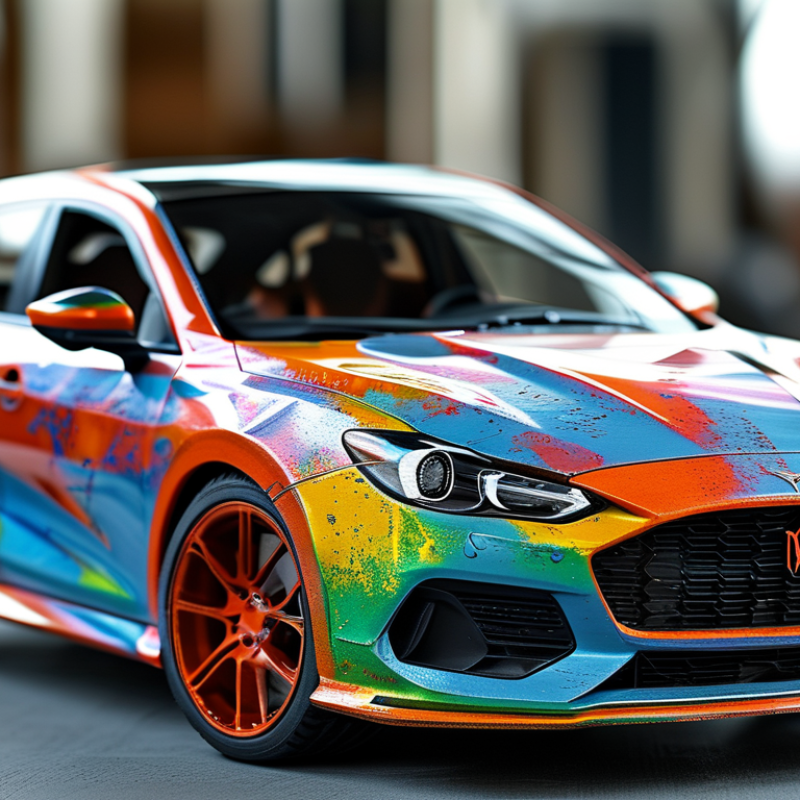
Poly powder coating offers a range of benefits that appeal to various industries. This coating method is known for its durability and resistance to corrosion. It provides a smooth finish that enhances the appearance of products. Poly powder coating is also eco-friendly, as it generates minimal volatile organic compounds (VOCs). This contributes to a healthier environment.
Applications of poly powder coating are diverse. It is commonly used in automotive, furniture, and appliance industries. The coating adheres well to metals, making it ideal for outdoor furniture and electrical enclosures. Despite its advantages, some users report challenges in achieving uniform coverage. This can lead to patchiness in the final product. Careful pre-treatment of surfaces is crucial to mitigate this issue.
The versatility of poly powder coating allows for a variety of colors and textures. This customization can significantly enhance product appeal. However, buyers should consider factors such as curing time and application methods. These details can impact the overall efficiency of the coating process. Understanding these intricacies is essential for making informed decisions.
The Best Poly Powder Coating Options for Global Buyers
| Dimension | Option 1 | Option 2 | Option 3 |
| Durability | High (5-10 years) | Moderate (3-7 years) | High (5-10 years) |
| Chemical Resistance | Excellent | Good | Excellent |
| UV Resistance | High | Moderate | High |
| Finish Options | Glossy, Matte | Satin, Textured | Glossy, Matte, Textured |
| Color Variety | Wide Range | Moderate Range | Wide Range |
| Application Industries | Automotive, Aerospace | Construction, Electronics | Home Appliances, Furniture |
Key Factors to Consider When Choosing Poly Powder Coating
When selecting poly powder coatings, several key factors come into play. Durability is paramount. High-quality coatings resist chipping, scratching, and fading. Examine the manufacturer's specifications. Look for coatings designed for specific environmental conditions. For instance, harsh weather can degrade certain finishes.
Color and texture also matter significantly. Choose a finish that aligns with your project’s aesthetic. Matte or glossy options create different visual impacts. Understand how these finishes will age over time. A color may appear vibrant initially but could dull with exposure.
Finally, application method is important. Some coatings require specialized equipment. Others may be more user-friendly and suitable for DIY projects. Consider your workforce’s expertise. Training may be necessary to ensure a smooth application process. Evaluating these factors leads to informed decisions, ensuring longevity and satisfaction.
Top Poly Powder Coating Brands for International Buyers
When considering poly powder coatings, international buyers face a variety of choices. The global market showcases numerous brands, each offering different strengths. Selecting the right one often involves careful evaluation of quality, durability, and finish. Some coatings provide excellent corrosion resistance, enhancing longevity, while others may excel in UV stability. Such attributes are vital for applications in diverse industries.
Buyers should also consider the application methods. Some brands offer user-friendly options, which can simplify the coating process. Others might require specific technical skills for optimal results. These variations can influence the overall efficiency of projects. It’s worthwhile to explore customer reviews and feedback. This allows buyers to gauge whether the product meets their needs and expectations. Conducting thorough research can reveal both positive experiences and shortcomings in various products.
Trustworthy suppliers often provide detailed specifications, safety data sheets, and technical support. Such resources help buyers make informed decisions. However, it is important to reflect on branding and marketing claims critically. Some products might not live up to their promises. Discerning buyers should weigh the pros and cons associated with each brand to ensure satisfaction with their purchases.
The Best Poly Powder Coating Options for Global Buyers
This chart illustrates the popularity of various poly powder coating options among international buyers based on a recent survey. The data reflects buyer preferences categorized by color versatility, durability, and environmental impact.
Comparative Analysis of Cost and Performance in Poly Powder Coatings
Poly powder coatings provide an effective solution for various industries globally. Their performance and cost-effectiveness vary greatly, impacting the choices buyers make. The effectiveness of these coatings depends on their application method, curing process, and environment resistance. While some coatings excel in durability, others focus on aesthetics. This variation makes careful selection crucial for buyers seeking value and performance.
Tips: Evaluate the specific environment where the coated item will be used. Consider factors like temperature, humidity, and exposure to chemicals. Understanding your needs leads to better choices.
Buyers should also be aware of the differences in composition. Some poly coatings offer better flexibility while others focus on hardness. This can influence both performance and longevity. It’s essential to test samples before making large-scale purchases. Many manufacturers provide this option, but not all do.
Tips: Request samples to assess adhesion and finish quality. This ensures the product meets the demands of your project.
Finally, cost analysis is vital. Cheaper options may lack in overall quality or longevity. Investing in a higher-quality coating can reduce maintenance costs over time. Weigh upfront costs against long-term benefits for a more thorough understanding.
Future Trends in Poly Powder Coating Technology and Market Demand
Poly powder coating technology is evolving rapidly, driven by shifts in market demand and environmental regulations. According to recent industry reports, the global powder coating market is projected to reach over $12 billion by 2026, with a compound annual growth rate (CAGR) of around 7%. This growth is mainly influenced by the increasing awareness of eco-friendly coatings and their applications across various sectors, including automotive and construction.
One notable trend is the rise of advanced formulations that enhance durability and reduce curing times. Improved thermal stability and UV resistance are also gaining traction. These advancements help manufacturers meet stringent regulatory standards while offering better protection and aesthetics. Buyers should be aware that staying updated with these technological trends can ensure they select coatings that not only meet current demands but also anticipate future requirements.
Tip: Always request technical data sheets for specific poly powder coatings. This can help you understand performance expectations.
Sustainability is a recurrent theme. Many companies are shifting toward bio-based polymers and recycling initiatives. This shift may improve the lifecycle impact of coatings. However, it’s essential to scrutinize these claims, as not all “green” products perform equally. A cautious approach will help in making informed decisions, balancing environmental considerations and product performance.
Tip: Consider applying a pilot test on small batches before full-scale production. This can help mitigate risks.