China Best 4 Axis CNC Machine Supplier for Global Buyers?

Global buyers are examining China’s 4 axis cnc suppliers with sharper questions than price alone. They want repeatable accuracy, documented inspection, responsive engineering, and stable after-sales support. A polished brochure is not enough.

Fortune Business Insights reported that the global CNC machine market reached approximately USD 83.65 billion in 2023. The same report projects growth to about USD 128.41 billion by 2030. Grand View Research also identifies automation, aerospace production, and automotive demand as major market drivers. These figures suggest opportunity, but they do not guarantee supplier quality.

A 4 axis cnc machine can rotate a workpiece while cutting multiple faces. Imagine a steel fixture clamped once, with fewer setup marks and shorter handling time. That advantage matters for impellers, aluminum housings, medical components, and complex prototypes. Yet accuracy depends on calibration, spindle performance, tooling, software, and operator discipline. One missed detail can become a costly batch problem.

Dr. Y. K. Chou, a respected machining researcher, stated, “Process control is as important as machine capability.” This principle should guide supplier evaluation. Buyers should request sample parts, dimensional inspection records, spindle test results, and clear warranty terms. ISO 9001 certification helps, but it cannot replace practical evidence.

The strongest China 4 axis cnc supplier is not always the cheapest. It is the supplier that explains limitations honestly, proves consistency, and supports production after delivery. Some comparisons remain imperfect. Factory visits may show ideal conditions, while daily production can reveal weaknesses. Therefore, this guide examines technical capability, export experience, customization, certification, communication, and total ownership cost before recommending suitable suppliers for global buyers.
China Best 4 Axis CNC Machine Supplier for Global Buyers?

What Is a 4-Axis CNC Machine and How Does It Work?

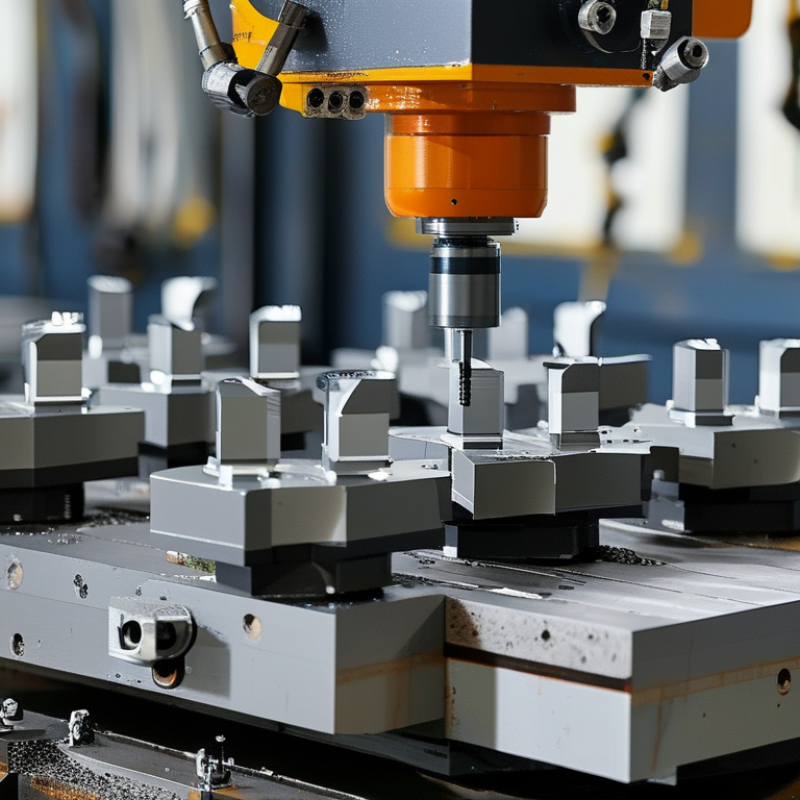
A 4-axis CNC machine combines three linear movements with one rotary movement. The linear axes usually move along X, Y, and Z. The fourth axis rotates the workpiece, often around the X-axis, and is commonly called the A-axis. Axis names can vary by machine design.

The rotary table can turn a part to expose different surfaces without repeated clamping. That improves consistency and reduces setup time. It also helps machinists create holes, slots, and curved features around a cylindrical component. The fourth axis is powerful, but it is not magic. A controller follows toolpaths created in CAD/CAM software. The postprocessor then converts those paths into machine instructions. In indexed machining, the table rotates to a fixed angle before cutting. In simultaneous machining, rotation and cutting happen together.

For example, a machinist may secure an aluminum housing, drill one side, rotate it 90 degrees, and mill the next face. Accurate results depend on calibration, rigid workholding, correct tool length, and controlled backlash. I have found that small setup errors can create visible steps between surfaces. Buyers should request a test cut and inspect flatness, hole position, surface finish, and repeatability. A machine may advertise impressive accuracy, yet real performance depends on the entire process, not the specification sheet alone.

Key Features of China-Made 4-Axis CNC Machines

China-made 4-axis CNC machines add a rotary axis to standard three-axis cutting. This setup lets one machine reach multiple sides of a workpiece with fewer repositioning steps. It is useful for impellers, housings, fixtures, and angled drilling.

A fourth axis does not automatically improve every job. That point deserves attention. The machine must match the material, part size, tolerance, and production volume.

Key features begin with structural rigidity. A rigid cast structure helps control vibration during aluminum and steel machining. High-resolution servo motors support smoother rotary positioning.

A suitable spindle should provide stable speed during roughing and finishing cuts. Automatic tool changers reduce idle time. Through-spindle cooling can improve deep-hole work, although it increases maintenance demands.

Chip evacuation also matters. Poor chip removal may scratch finished surfaces or damage cutting tools.

For global buyers, documentation is as important as cutting speed. Ask for accuracy reports, rotary-axis backlash data, electrical specifications, and installation requirements.

A sample test cut can reveal issues hidden by polished brochures. Check whether technicians provide remote setup and practical training. Spare parts availability affects downtime.

I would not judge a machine by one impressive demonstration. Real production may expose heat drift, awkward fixturing, or slower tool changes. A careful acceptance test remains necessary.

How to Evaluate a China-Based CNC Machine Supplier

China Best 4 Axis CNC Machine Supplier for Global Buyers?

How to Evaluate a China-Based CNC Machine Supplier

Choosing a China-based 4 axis CNC supplier requires more than comparing machine prices. Check the factory’s production records, engineering team, and export experience. The International Federation of Robotics reported 276,288 industrial robot installations in China during 2023. This indicates strong manufacturing capacity, but it does not prove CNC quality. Buyers still need direct evidence.

Request machine test results based on ISO 230-2, including positioning accuracy and repeatability. Ask for spindle runout data, rotary-axis backlash measurements, and a sample machining video. A serious supplier should provide serial numbers, calibration dates, and clear warranty terms. Inspect the control cabinet, cable routing, lubrication system, and chip protection. Small details matter. A clean assembly area is useful evidence, though it is not conclusive.

Tips: Compare at least three suppliers. Ask each one to machine your actual material and drawing. Confirm installation support, spare-part availability, response times, and training hours in writing. Review independent customer references, not only factory-selected testimonials. Do not rely on certificates alone. ISO 9001 certification supports process control, but it cannot guarantee cutting performance. Factory audits can also miss problems. A second inspection before shipment may be worth the cost, especially for heavy or customized machines. Assess total ownership cost, including tooling, freight, software, maintenance, and downtime. A low quote can become expensive.

Manufacturing Quality, Certifications, and Export Capabilities

For global buyers, a 4-axis CNC machine supplier must prove more than cutting speed. Manufacturing quality starts with controlled inspection. Buyers should request material certificates, spindle test records, positional accuracy results, and sample-part measurements. ISO’s Survey 2022 recorded more than 1.26 million ISO 9001 certificates worldwide. This shows certification is common, but it does not guarantee consistent machining.

Export capability needs practical evidence. Ask whether the supplier has shipped similar machines to your destination and can provide packing photos, commercial invoices, and customs documents. UN Comtrade data shows China remains a major exporter of machine tools, but export volume alone cannot confirm after-sales reliability. Check electrical standards, language options, remote diagnosis, spare-part lead times, and installation support. A complete machine may still fail if its control cabinet does not match local requirements.

Tips: Request a live cutting test with your material. Measure the finished part independently. Confirm ISO 9001 scope, CE-related documentation, and factory inspection records. Do not accept copied certificates. One overlooked detail, such as poor wooden crating, can damage precision during ocean transport. In my experience, suppliers sometimes promise five-year accuracy without defining measurement conditions. That claim needs questioning. A written acceptance protocol should specify tolerance, test tools, ambient temperature, and warranty response times. Small details matter.

Selecting the Best Supplier for Global Production Needs

China Best 4 Axis CNC Machine Supplier for Global Buyers?

Selecting a supplier requires more than comparing machine prices. The International Federation of Robotics reported 541,302 industrial robots were installed worldwide in 2023. China represented about 51% of those installations. This signals strong manufacturing capacity, but capacity alone does not guarantee reliable CNC quality.

Check the supplier’s experience with your materials, tolerances, and production volume. Ask for sample machining records, inspection reports, and real cycle-time data. A dependable 4 axis CNC machine should show stable accuracy across repeated tests. Review spindle specifications, controller compatibility, maintenance access, and operator training. ISO 9001 certification can support process control, but it is not proof of perfect performance. That distinction matters.

Tips: Request a video factory audit. Compare test cuts using your drawings. Confirm spare-parts availability before ordering. Ask who handles technical support in your time zone. Calculate total ownership cost, including freight, installation, tooling, training, and downtime. According to Deloitte’s 2024 smart manufacturing research, many manufacturers continue investing in connected production and operational visibility. Therefore, suppliers should explain data interfaces, remote diagnostics, and cybersecurity procedures clearly.

Do not select the lowest quotation automatically. I have seen attractive offers become expensive after unclear specifications and delayed commissioning. A written acceptance test helps prevent disputes. It should define positioning accuracy, repeatability, surface finish, operating hours, and response times. Global buyers also need verified export documentation and transparent payment terms. The best supplier is not always the largest. It is the one that can prove consistent results under your actual production conditions.

China Best 4 Axis CNC Machine Supplier for Global Buyers? - Selecting the Best Supplier for Global Production Needs
Evaluation Dimension Weight Practical Benchmark for a 4-Axis CNC Machine What Global Buyers Should Verify Recommended Acceptance Evidence
Machine Configuration 12% Three linear axes plus a rotary fourth axis, with sufficient working envelope for the intended part size. Confirm the rotary-axis diameter, maximum workpiece weight, table dimensions, spindle clearance, and simultaneous or indexed 4-axis capability. Technical specification sheet, machine layout drawing, and sample machining video.
Positioning and Repeatability 15% Performance should be stated using recognized test methods, such as ISO 230-2 or equivalent national standards. Check whether accuracy figures are positioning accuracy, repeatability, or machining tolerance. Do not compare values measured under different test conditions. Recent inspection report, laser-interferometer report, or acceptance-test record.
Spindle Capability 10% Spindle speed, power, taper, and torque must match the material, cutter diameter, and required removal rate. Evaluate the spindle taper, rated power, maximum speed, continuous-duty rating, cooling method, and service availability. Spindle data sheet, cutting-parameter trial, and thermal stability test results.
Control System and Software 10% The control must support 4-axis programming, tool compensation, work offsets, diagnostics, and data backup. Verify language options, post-processor compatibility, remote diagnostics, program-transfer methods, and operator training requirements. Control-system demonstration, sample program, compatibility statement, and training plan.
Structural Rigidity and Thermal Stability 12% The machine should use a rigid bed and column structure and include an appropriate approach to heat management. Review casting or welded-frame construction, guideway design, ballscrew support, spindle cooling, and measured drift during extended operation. Structural drawings, thermal test report, and continuous cutting demonstration.
Quality Management 10% A documented quality system, preferably certified to ISO 9001, with traceable inspection records. Confirm certificate scope and validity, incoming inspection, in-process checks, final inspection, calibration control, and nonconformance procedures. Valid certificate, quality manual excerpt, calibration records, and sample final-inspection report.
Factory Testing and Acceptance 10% Factory acceptance should test geometry, positioning, spindle operation, safety functions, and a representative workpiece. Define acceptance criteria before ordering, including test material, tolerances, cycle time, surface-finish requirements, and correction procedures. Signed factory-acceptance protocol, test-part measurements, and recorded test results.
After-Sales Service and Spare Parts 9% A documented response process with remote technical support and an identifiable spare-parts plan. Ask for support channels, response targets, escalation procedures, recommended spare-parts inventory, and software or control backup policy. Service-level document, spare-parts list, maintenance schedule, and support contact structure.
Export Compliance and Documentation 6% Complete shipping, electrical, safety, installation, and operating documentation for the destination market. Confirm destination-country electrical requirements, packaging specifications, manuals, wiring diagrams, risk documentation, and customs information. Packing list, commercial documents, electrical drawings, user manual, and applicable conformity documentation.
Total Cost of Ownership 6% Evaluate purchase price together with tooling, installation, training, energy, maintenance, consumables, and downtime risk. Compare warranty coverage, installation scope, freight terms, commissioning costs, scheduled maintenance, and expected replacement parts. Itemized quotation, warranty terms, installation plan, lifecycle-cost worksheet, and payment schedule.
Scoring guidance: assign each supplier a score from 1 to 5 for every dimension, multiply the score by the listed weight, and require documented evidence before treating a technical claim as verified. Performance values should be compared only when the test method, machine configuration, environmental conditions, and measurement units are equivalent.