
Choosing an Organic Fertilizer Processing Plant requires more than comparing equipment prices. The right facility should match your raw materials, production goals, and quality expectations. A plant handling poultry manure may need different systems than one processing compost, crop residues, or food waste. Moisture changes everything. It affects drying time, granulation performance, energy use, and final product stability.
This guide examines practical factors that experienced buyers often inspect before signing an agreement. These include processing capacity, fermentation systems, crushers, mixers, granulators, dryers, coolers, screening units, and packaging equipment. Reliable manufacturers should explain each machine’s function clearly. They should also provide layout drawings, technical specifications, installation guidance, and after-sales support. Factory visits can reveal details that brochures hide, such as dusty workshops, weak welds, or poorly protected control panels.
Certifications and test records deserve careful attention. Ask for documented material testing, production trials, maintenance schedules, and references from comparable operations. A trustworthy supplier should discuss emissions control, worker safety, energy consumption, and responsible waste handling. Claims need evidence.
Not every impressive factory is the best fit. Some equipment may be oversized, while cheaper systems may create expensive problems later. A realistic budget should include installation, spare parts, labor, utilities, and future upgrades. Even experienced buyers can overlook small details. That is worth remembering. The most dependable choice usually combines proven performance, transparent communication, and a design suited to local operating conditions.
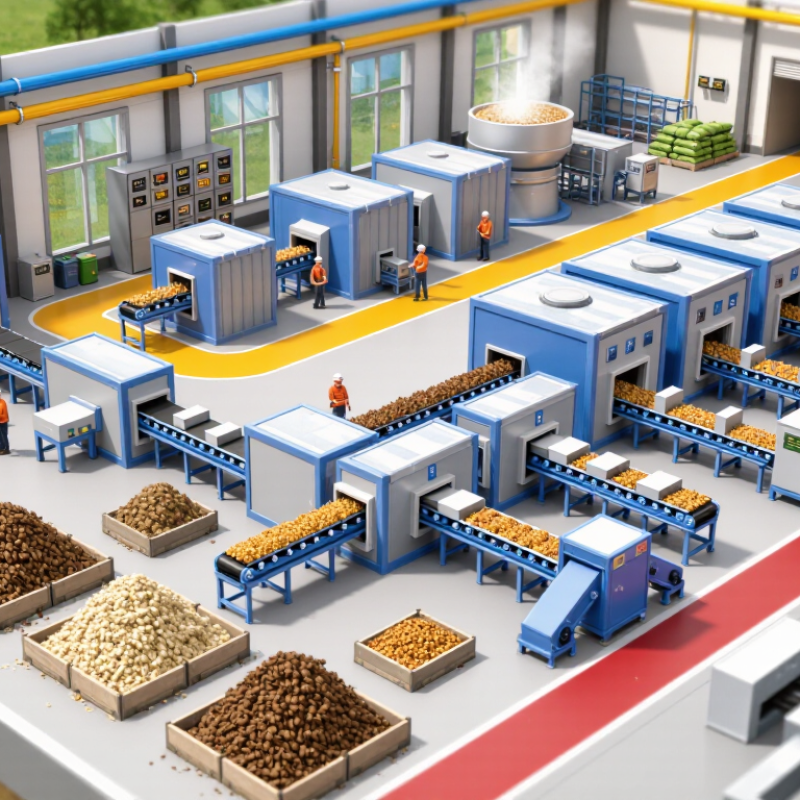
How to Choose an Organic Fertilizer Processing Plant?
Define Feedstock and Capacity with C:N 25–30:1 and 50–60% Moisture Targets
Choosing an organic fertilizer processing plant starts with understanding your feedstock. Record manure, crop residues, food scraps, and seasonal changes. Their composition can vary widely. Do not size equipment from one sample alone. Collect several samples across different delivery days. A simple moisture test can reveal unexpected differences. Wet material may slow mixing, screening, and fermentation.
Aim for a carbon-to-nitrogen ratio of 25–30:1. Nitrogen-rich manure can balance dry straw or sawdust. Keep moisture near 50–60% before active processing. A handful should feel damp, but it should not release water when squeezed. Too much moisture reduces airflow. Too little moisture restricts microbial activity. These targets guide blending, but they are not magic numbers. Local materials may require adjustment.
Capacity should reflect daily feedstock, not only the plant’s rated output. Include storage space for rainy periods and supply interruptions. Ask whether the system handles uneven particle sizes and gradual moisture changes. During a pilot trial, record temperature, mixing time, odor, and material flow. I once underestimated seasonal water content, creating longer processing delays. That mistake showed the value of buffer capacity and repeated testing. Choose a plant that allows practical sampling, controlled aeration, and clear maintenance access.
Practical feedstock and plant-sizing reference for aerobic composting and organic fertilizer production
| Feedstock | Typical C:N Ratio | Typical Moisture | Function in the Blend | Recommended Adjustment | Plant-Selection Implication |
|---|---|---|---|---|---|
| Poultry manure or litter | 6:1–12:1 | 20–40% | Nitrogen-rich feedstock that accelerates microbial activity. | Blend with straw, husks, leaves, or sawdust to raise C:N and moderate nitrogen concentration. | Use reliable mixing, odor control, and aeration. Enclosed receiving areas may be appropriate for larger facilities. |
| Cattle manure | 15:1–25:1 | 75–85% | Moisture-rich nitrogen source with readily biodegradable organic matter. | Combine with dry structural carbon. Drainage or solid-liquid separation may be needed before mixing. | Select a plant with a robust receiving floor, drainage system, heavy-duty mixer, and moisture-control capability. |
| Pig manure | 10:1–16:1 | 70–85% | High-moisture nitrogen source that can increase bulk density. | Add dry carbon materials and avoid excessive free water in the initial blend. | A plant should include effective dewatering, metering, mixing, and leachate-management systems. |
| Separated food waste | 15:1–20:1 | 65–80% | Readily degradable nitrogen and energy source. | Mix with dry bulking agents to improve porosity and reduce compaction. | Specify contaminant screening, depackaging where required, odor management, and a strong aeration system. |
| Wheat or rice straw | 60:1–100:1 | 10–20% | Dry carbon and structural material that improves porosity. | Shred or chop before blending; add water or wetter manure to reach 50–60% moisture. | Choose a shredder, controlled water-injection system, and mixer capable of handling fibrous material. |
| Sawdust or wood shavings | 200:1–500:1 | 10–20% | Very high-carbon bulking agent that improves air space. | Use in limited proportions and compensate with nitrogen-rich materials and water. | The plant should provide accurate dosing, dust control, and a high-torque mixing system. |
| Green waste and leaves | 30:1–80:1 | 40–60% | Moderate-carbon structural material with variable biodegradability. | Screen and shred oversized material; combine with nitrogen-rich feedstock when C:N is high. | Select equipment with a grinder or shredder, screening stage, and variable-speed conveying. |
| Finished compost or mature organic material | 15:1–20:1 | 25–45% | Inoculating and bulking material that can stabilize the blend. | Use only as a controlled fraction; adjust water and carbon based on measured feedstock properties. | A plant should include accurate batching and the ability to recirculate screened oversize or mature material. |
| Design Dimension | Practical Target | Why It Matters | Selection Guidance |
|---|---|---|---|
| Initial carbon-to-nitrogen ratio | 25:1–30:1 | Supports active aerobic decomposition while limiting excessive nitrogen loss and odor. | Require recipe-based batching rather than relying on fixed-volume feed rates alone. |
| Initial moisture content | 50–60% | Provides sufficient water for microbial activity while preserving air-filled pore space. | Choose a mixer with water dosing, moisture sensors or laboratory verification, and drainage control. |
| Nominal daily capacity | Feedstock tonnes/day | Capacity depends on actual incoming mass, bulk density, operating hours, and seasonal variation. | Size receiving, mixing, curing, and screening systems using peak-day throughput, not only the annual average. |
| Biological processing volume | Daily input × active retention days | The active composting area or vessel must hold the material long enough to reach the required stabilization level. | Confirm the proposed retention time under the local climate and feedstock mix; do not size only by mixer capacity. |
| Bulk density and porosity | Measure after blending | Wet, compacted mixtures can restrict oxygen and overload conveyors or turning equipment. | Request trials using representative materials and verify mixer torque, conveyor loading, and aeration performance. |
| Finished product screening | Select screen size by end use | Screening improves particle-size consistency and removes oversize contaminants or undecomposed fibers. | Specify replaceable screens, dust control, and a return route for oversize material where appropriate. |