How to Choose the Best Cantilever Racking for Your Business?
Choosing the right Cantilever Racking system is crucial for optimizing storage efficiency and managing inventory. According to a report by the Material Handling Industry of America (MHIA), businesses can improve storage capacity by up to 40% with the right racking system. This statistic underscores the importance of selecting a solution that aligns with specific operational needs.
Cantilever Racking offers unique benefits, especially for businesses that handle long or bulky items. It is designed for easy access and maximum adaptability. However, companies often overlook key factors when choosing a system. A lack of thorough evaluation can lead to inefficiencies and increased costs.
Investing in the wrong Cantilever Racking can result in wasted space and resources. In fact, an industry study revealed that 30% of facilities struggle with storage inefficiencies. Understanding weight capacities, design configurations, and material durability is essential. Taking the time to assess these factors ensures a reliable and effective storage solution tailored to your business.
Understanding Cantilever Racking: Definition and Applications
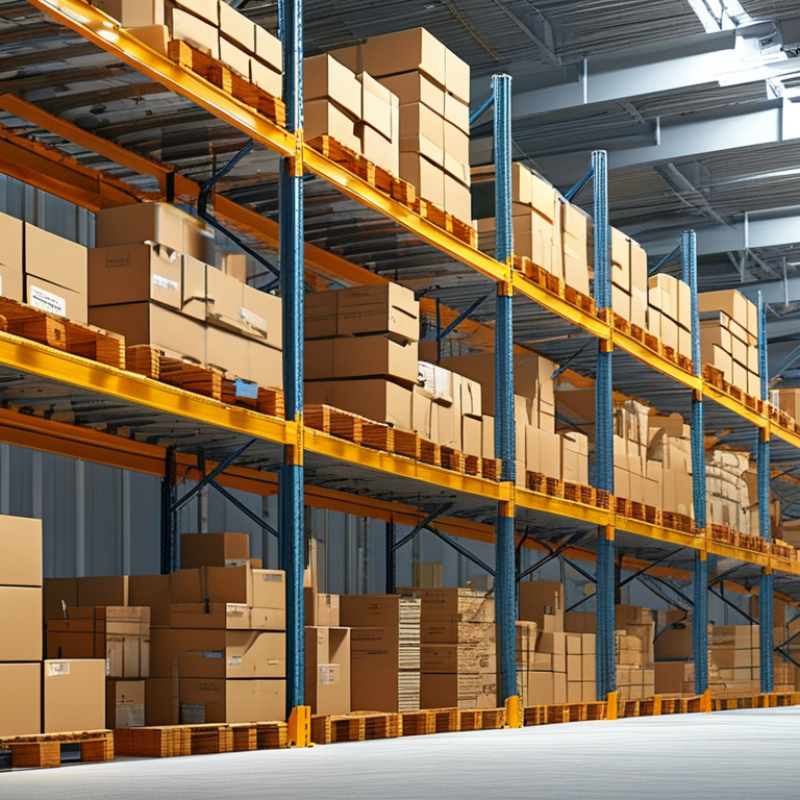
Cantilever racking is a versatile storage solution, essential for businesses dealing with long or bulky items. This system consists of vertical posts and horizontal arms. It allows for easy loading and unloading of goods, optimizing space efficiently. According to a recent storage industry report, nearly 70% of warehouses utilize some form of cantilever racking. This demonstrates its popular application across various sectors like furniture, lumber, and plumbing supplies.
Understanding the applications of cantilever racking can enhance operational efficiency. For example, it supports heavy items like pipes or steel beams. Reports indicate that businesses can save up to 30% in storage costs by implementing this system. However, it's crucial to assess the weight capacity of the racking to prevent accidents or damages. Misjudging the load can lead to significant disruptions and losses. Ensuring the proper design and installation can mitigate such risks, and often a professional evaluation is beneficial.
Selecting the best cantilever racking involves weighing product demands with safety standards. While the versatility is clear, careful consideration of space and inventory is vital. Many businesses overlook these factors, which can complicate logistics. Rethinking these aspects can lead to improved organization and efficiency in operations.
Key Factors to Consider When Choosing Cantilever Racks
Choosing the right cantilever racking system for your business involves several key factors. One important aspect is the load capacity. Different materials and products require varying levels of support. It's essential to assess the weight and dimensions of your items. Consider how often you will access them. This can influence the design and height of the racks.
Next, evaluate your available space. Measure the area where the racking will be installed. This will help you determine the size and configuration needed. Proper spacing is critical to ensure safety and accessibility. Additionally, think about the type of items you will store. Bulky goods may need heavier-duty racks. Ensure the system meets your specific requirements.
Lastly, reflect on your future needs. As your business grows, your storage requirements may change. Investing in adaptable racking systems could save time and money in the long run. Factor in possible expansions during your decision-making process. It’s vital to choose a system that aligns with your current and future operations. The right cantilever racking will enhance efficiency and safety in your workspace.
Evaluating Load Capacity and Material Strength for Racking Systems
When selecting cantilever racking systems, evaluating load capacity and material strength is crucial. A survey by the Material Handling Industry Association (MHIA) reports that racking systems account for 30% of warehouse storage costs. Hence, understanding each element of the racking is vital for efficient space utilization. For example, steel, frequently used for cantilever racks, offers a substantial strength-to-weight ratio. This characteristic allows businesses to maximize their storage capabilities within weight limits.
Load capacity varies based on design and material. A report from the Storage Equipment Manufacturers Association (SEMA) indicates that racking should be tested to meet or exceed specific load requirements. Engineers often recommend overestimating necessary capacities. This precaution prevents potential loss of products and maintenance issues. Nevertheless, companies sometimes underestimate their needs, which can lead to racking failure. The trade-off between load capacity and material strength must be well understood. Recognizing this helps businesses make informed decisions that protect both inventory and employees.
Material strength should align with the products being stored. Companies handling heavier items may need higher-grade materials. Data can reflect that improper material selection increases safety risks by 15%. Each facility’s unique needs should guide material choices. Analyzing these factors helps secure the racking investment. Reflecting on past storage challenges can improve future selection processes. Continuous evaluation and adaptation remain essential in optimizing storage solutions.
Cost Analysis: Investment vs. Long-Term Benefits of Cantilever Racking
When considering cantilever racking for your business, it's vital to analyze costs versus long-term benefits. While the upfront investment may seem high, the advantages can outweigh initial expenses. High-quality racking systems improve organization and increase warehouse capacity. This leads to enhanced efficiency and, ultimately, better profit margins.
Evaluate the types of materials stored and the required load capacity. Heavy-duty racks are more expensive but can provide better longevity and less maintenance. In contrast, lighter racks might seem more affordable but could need replacements sooner. This trade-off can impact your budget over time.
Tips: Always account for the future when choosing racking systems. Consider potential growth and changes in inventory. Investing in adjustable cantilever racks may allow you to adapt to different sizes of goods. Regularly reassess your racking needs based on current usage and performance. This helps prevent costly mismatches between your equipment and your business requirements.
Industry Standards and Safety Regulations for Cantilever Racking Systems
When selecting cantilever racking systems, adhering to industry standards is crucial. Safety regulations dictate structural integrity and load capacity. Each system must withstand specific weights and comply with local codes. Regular inspections ensure that racking components remain safe for use, reducing the risk of accidents.
Consider these tips for enhanced safety and compliance. Always perform load tests regularly. Inspect all racking components for wear and tear. Document these inspections to maintain a reliable safety record. Staff training on proper loading techniques is essential. Training reduces the chance of damage and accidents.
Improving safety standards often requires investing time and resources. Reflect on past incidents and learn from them. Collaborate with experts to determine the best setup for your operations. Gaps in knowledge can lead to costly mistakes. Being proactive is key in implementing effective safety measures.
Choosing the Best Cantilever Racking: Capacity vs. Height
This bar chart demonstrates the maximum load capacity of different types of cantilever racking systems suitable for various business needs. Businesses should consider these capacities when selecting the appropriate racking system to ensure safety and efficiency.