How to Choose the Best 3D CNC Machine for Your Business?
Choosing the right 3D CNC machine is crucial for your business's success. With numerous options available, it can be overwhelming. Each machine offers unique features that cater to different needs. You must consider your business type, production volume, and material requirements.
Experience plays a significant role in this decision. Many businesses struggle when selecting a machine that doesn’t align with their goals. Understanding technical specifications is vital. A thorough evaluation of each option will help avoid costly mistakes.
Investing in a 3D CNC machine enhances productivity and precision. However, knowing your specific requirements is equally important. The wrong choice can hinder your operations and lead to dissatisfaction. Always seek expert advice to ensure you make an informed decision.
Factors Influencing the Selection of a 3D CNC Machine for Businesses
Choosing the right 3D CNC machine is vital for business success. Various factors influence this decision. One critical aspect is the material compatibility. Different machines work best with specific materials.
Understanding your primary materials helps to narrow down the options effectively.
Another factor is the machine’s size and build volume. Larger machines can handle bigger projects. However, they come with higher costs. It's crucial to balance space and budget.
Maintenance requirements also play a role. Some machines need regular calibration and software updates. Consider the total cost of ownership, not just the initial price.
Finally, think about the level of automation you need. Some machines offer advanced features, while others are more manual. Evaluate your team's skills carefully.
This understanding helps you choose a machine that fits your operational needs. A poor choice can lead to increased downtime and reduced productivity. Reflect on your priorities before making the final decision.
Understanding Different Types of 3D CNC Machines and Their Applications
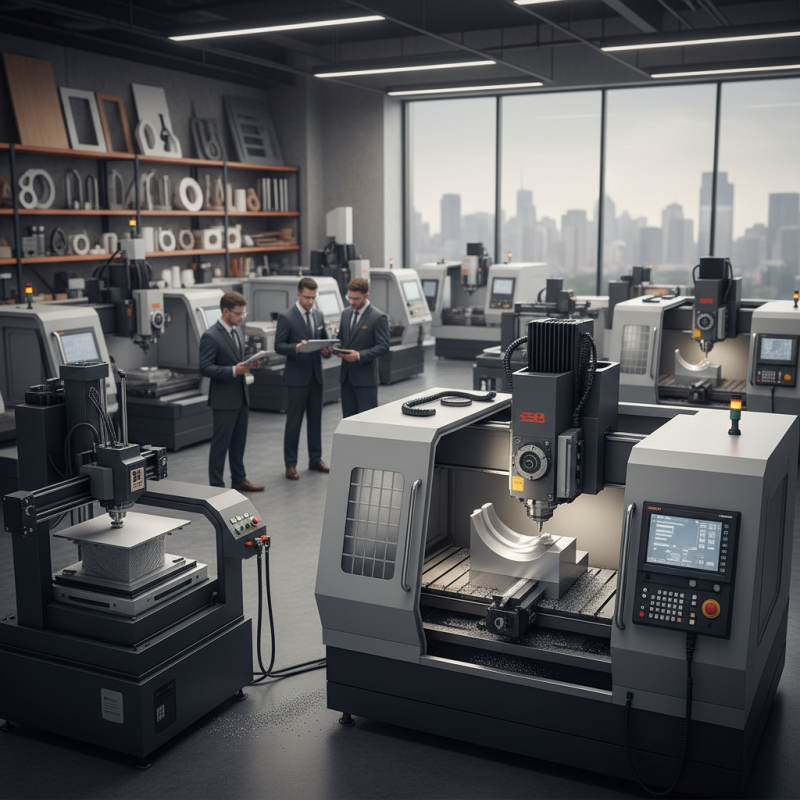
When selecting a 3D CNC machine, understanding the types available is crucial. There are primarily three categories: subtractive, additive, and hybrid machines. Subtractive CNC machines carve material from a solid block. They are excellent for creating precise components. According to a recent industry study, about 42% of manufacturers use subtractive techniques for their production needs.
Additive machines, on the other hand, build items layer by layer. They are ideal for prototyping and complex geometries. Reports indicate that the additive manufacturing market is expected to grow by 25% annually. This growth reflects a rising demand for custom and intricate designs, especially in aerospace and healthcare.
Hybrid machines combine both technologies. They offer versatility and efficiency but come with a steeper learning curve. Many small businesses struggle with this complexity. Industry analysts suggest that investing in hybrid technology requires adequate training and continuous adjustment. In the rapidly evolving 3D CNC landscape, staying adaptable is vital. Without proper understanding, you might underutilize your investment.
Cost Analysis: Initial Investment vs. Long-Term Savings in CNC Technology
When evaluating the costs associated with investing in a 3D CNC machine, initial investment pales in comparison to long-term savings. According to recent surveys, businesses can expect to save between 25% to 40% in production costs after adopting CNC technology. This includes reductions in labor costs, material waste, and production time. Over time, the efficiency gained from high-precision machines can dramatically offset their purchase price.
A report from the National Association of Manufacturers indicates that companies utilizing CNC technology are able to reduce their operational costs significantly. However, initial costs can range widely, from a few thousand dollars for basic models to hundreds of thousands for advanced units. Many potential buyers struggle with this disparity. It's crucial to perform a thorough cost-benefit analysis. Equipment maintenance and energy consumption also factor into the long-term expense picture.
Investing in training for operators is another cost element that can prove enlightening. Employees skilled in CNC operation can boost productivity substantially. Surprisingly, many firms overlook this aspect. It’s not just about the machine; it's also about the people using it. By weighing these costs against expected savings, businesses can make more informed choices. Understanding these factors can turn a daunting investment into a strategic advantage.
Assessing Technical Support and Upgrades in CNC Machine Purchases
When selecting a 3D CNC machine for your business, assessing the technical support and potential upgrades is crucial. According to recent industry data, almost 70% of companies encounter performance challenges due to inadequate technical support. This underscores the need for effective assistance throughout the machine’s lifecycle. Reliable support can drastically reduce downtime and improve productivity.
Upgrades are equally significant. Data shows that over 60% of CNC machine users report enhanced efficiency following upgrades. However, some businesses underestimate the importance of future-proofing their investment. Not all machines offer easy upgrade paths. This can lead to expensive replacements instead of simple software or hardware enhancements.
Consider your business growth needs. Evaluate the manufacturer's track record in providing timely updates and effective support. Lack of accessible technical resources might lead to frustration. This could hinder your production capacity. Reflect on these aspects carefully before choosing your CNC machine.