What Are CNC Machining Centers and How Do They Work?
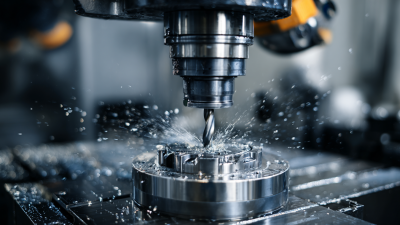
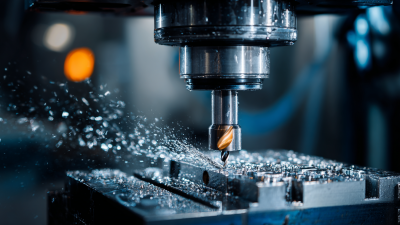
CNC machining centers are revolutionizing the manufacturing industry. As John Smith, a leading expert in CNC technology, stated, "CNC machining centers offer unmatched precision and efficiency." These machines blend traditional machining with advanced technology, allowing for complex and detailed work.
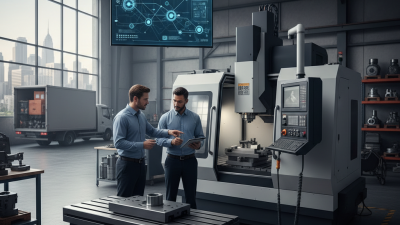
CNC machining centers operate through computer numerical control. They automate cutting, shaping, and drilling processes, resulting in higher productivity. However, they require skilled operators who understand both the machines and the software. There can be a steep learning curve, particularly for newcomers to the field.
Despite their advantages, CNC machining centers have limitations. The initial cost can be prohibitive for small businesses. Some operations may find the maintenance complex. It is crucial to assess whether the benefits truly outweigh the challenges before investing in this technology. Understanding these factors can lead to better decision-making in the industry.
CNC Machining Centers: An Overview of Their Purpose and Applications
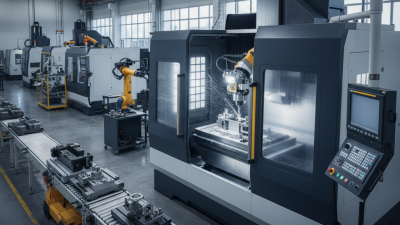
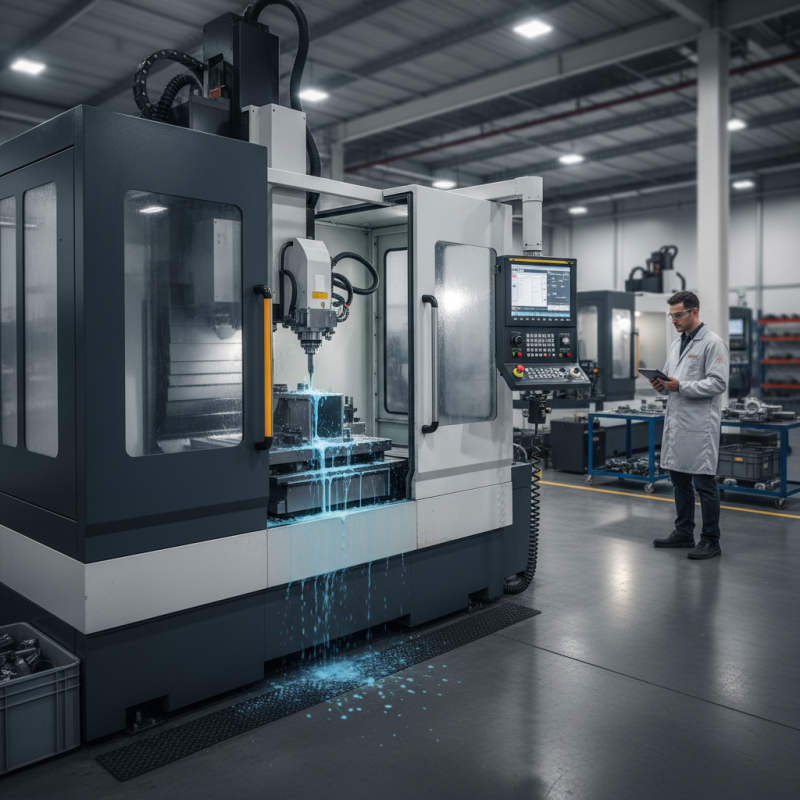
CNC machining centers are essential tools in modern manufacturing. They automate complex tasks, enhancing precision and efficiency. These centers combine multiple functions, allowing for milling, drilling, and turning in a single setup. According to industry reports, the global CNC machine market is expected to reach $100 billion by 2024. This highlights the growing demand for efficiency and accuracy in production processes.
Applications are vast and varied. From aerospace to automotive, many industries rely on CNC machining. It reduces human error and increases repeatability. Parts produced with CNC are often better suited for high-stress applications. Yet, some manufacturers struggle with initial costs and operator training. Even with the promise of automation, there might be a learning curve.
Tip: Focus on staff training to maximize your CNC capabilities. Operators who fully understand their machines can significantly reduce downtime and improve productivity. Regular maintenance is also crucial. A poorly maintained machine may lead to defects or downtime. Always reflect on your processes. Are you utilizing your machinery to its fullest potential?
The Components of CNC Machining Centers and Their Functionalities
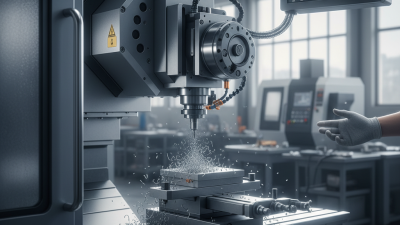
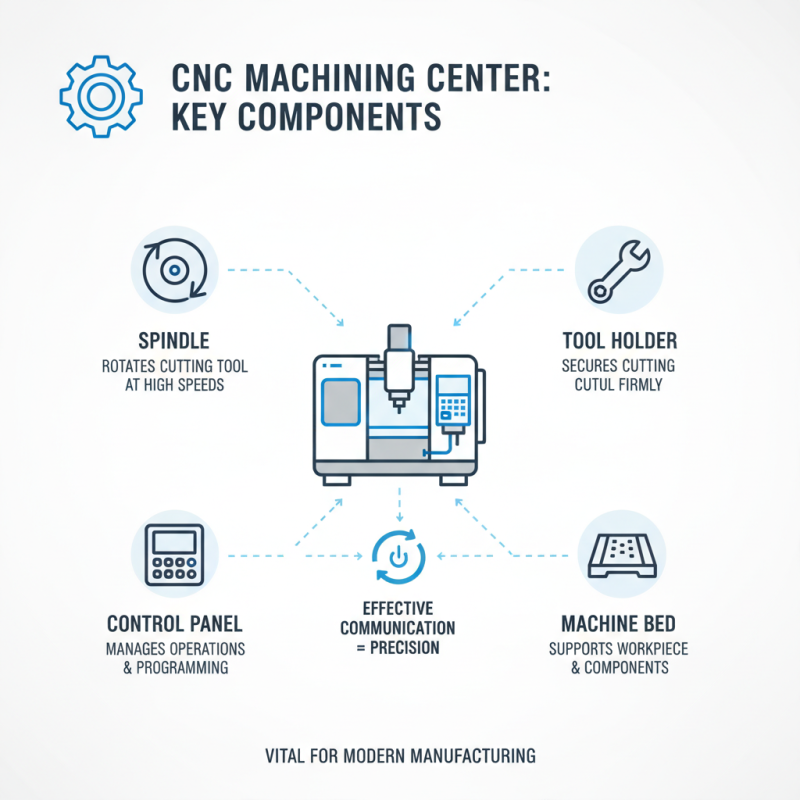
CNC machining centers are vital tools in modern manufacturing. They consist of several key components, each playing a specific role. The main components include the spindle, tool holder, control panel, and bed. The spindle rotates the cutting tool at high speeds, while the tool holder secures the tool in place. Effective communication between these parts is crucial for precision.
The control panel is where operators input commands. It allows the user to customize operations. Reports suggest that effective software can enhance productivity by up to 30%. The bed supports the workpiece and provides stability during machining. However, many center operators report challenges in maintaining precise alignment. This misalignment can lead to errors and reduced material efficiency. Operators must regularly calibrate their machines to avoid these pitfalls.
Machining centers also require regular maintenance. Neglecting this can lead to frequent breakdowns. Data indicates that poorly maintained machines can lose up to 15% of their effective cutting time. Ensuring proper maintenance routines can minimize these losses and extend equipment life. Initial costs can seem daunting, but the return on investment pays off significantly when machines operate optimally.
How CNC Machining Centers Operate: A Step-by-Step Explanation
CNC machining centers are essential in modern manufacturing. These machines use computer numerical control to enhance precision. Understanding how they operate reveals their complexity.
A CNC machine starts by receiving a digital design from CAD software. This design translates into a set of instructions. These instructions guide the machine's movements. The user inputs parameters like speed and depth. This step is crucial; incorrect settings can lead to failures.
Once programmed, the CNC machining center begins its work. The spindle rotates and the tool moves swiftly. It cuts, drills, or mills depending on the task. Careful monitoring is vital during operation. Any error can affect the final product. Yet, even with advanced technology, human oversight is critical. Operators must remain vigilant, watching for irregularities. The machine can only perform as well as it's directed.
Benefits of Using CNC Machining Centers in Manufacturing Processes
CNC machining centers have transformed modern manufacturing. These machines deliver precision and efficiency. Recent industry reports indicate that CNC machining can reduce production time by up to 30%. This increase in speed allows manufacturers to meet tight deadlines consistently.
Using CNC machining centers also enhances product quality. The precision of these machines minimizes human error. A study highlighted that parts produced using CNC techniques have a tolerance of just 0.001 inches. This level of accuracy is crucial in industries like aerospace and automotive. As a tip, calibrating the machine regularly ensures optimal performance and longevity.
Cost-effectiveness is another key benefit. Although initial investment may be significant, CNC machining centers often lead to lower operational costs over time. Companies can save on labor costs and material waste. However, it’s worth noting that training employees on sophisticated devices can be challenging. Continuous skill development is essential for maximizing these centers' capabilities.
Common Industries Utilizing CNC Machining Centers and Their Impact
CNC machining centers are vital in various industries. They enhance precision and automation. The aerospace sector heavily relies on CNC machining. In 2021, this industry saw a significant growth valuation, reaching approximately $865 billion. CNC technology ensures that aircraft parts meet stringent safety standards.
Moreover, the automotive industry also benefits from CNC machining centers. According to a recent report, this sector is expected to grow to $4 trillion by 2025. Advanced CNC techniques improve efficiency in manufacturing components. However, challenges like high initial costs can deter small manufacturers. Upskilling workers for advanced machinery remains another hurdle.
Medical device manufacturers increasingly adopt CNC machining. Precision is vital for surgical tools and implants. A survey indicated that 70% of medical technology firms are investing in CNC technology. However, inconsistencies in machine calibration can lead to serious issues. Continuous monitoring and maintenance practices are crucial but often overlooked. The impact of CNC machining centers is profound, yet the industry faces challenges that require ongoing attention.