What is HPC Hydraulic Cone Crusher and Its Advantages?
The HPC Hydraulic Cone Crusher is a groundbreaking innovation in the mining and aggregate industries. This advanced crusher model enhances efficiency and offers superior performance. According to the latest market analysis report by Grand View Research, the global cone crusher market is projected to reach USD 2.9 billion by 2028, driven by increased demand for high-quality aggregates.
Designed for versatility, the HPC Hydraulic Cone Crusher provides several advantages. Its unique design optimizes crushing chamber geometry, allowing for improved particle size distribution. Additionally, studies from the National Stone, Sand & Gravel Association highlight that hydraulic systems can enhance energy efficiency by up to 30%. Such statistics stress the importance of adopting modern equipment in a competitive market.
However, while the HPC Hydraulic Cone Crusher boasts numerous benefits, challenges remain. Operators must be cautious of maintenance costs and ensure proper training for their teams. Regular assessments are vital to maximize equipment reliability. Ultimately, embracing advanced machinery like the HPC can lead to significant operational improvements, but it requires careful implementation and monitoring.
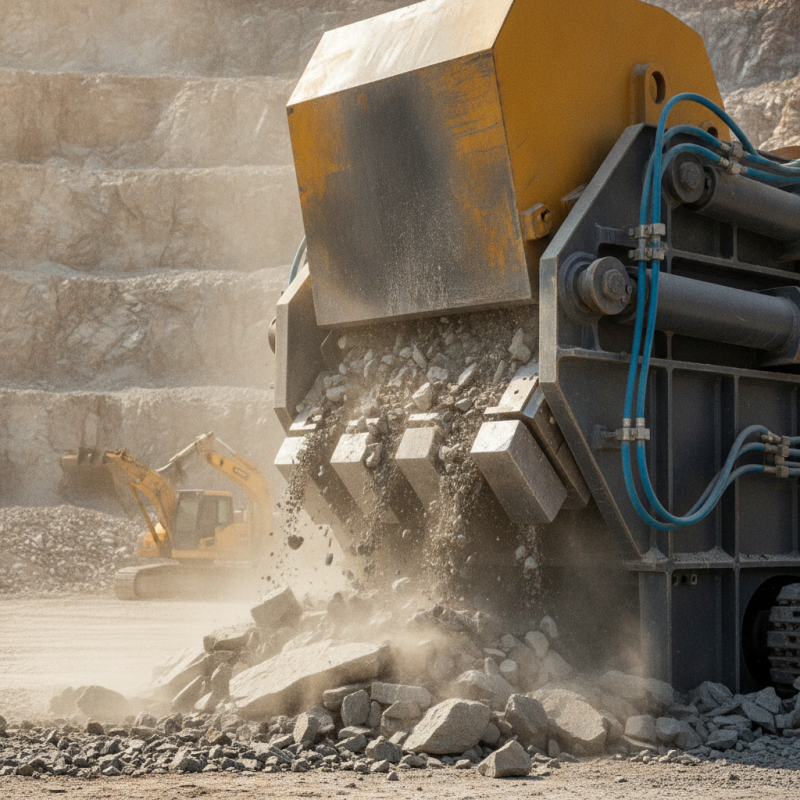
What is an HPC Hydraulic Cone Crusher?
HPC Hydraulic Cone Crusher is a modern crushing machine. It is designed for high efficiency and performance. The cone crusher utilizes fluid pressure to crush materials. This design allows for a more effective reduction of larger rocks. Operators find it easier to manage compared to traditional crushers.
The hydraulic system provides consistent and reliable operation. It has automatic overload protection, enhancing safety in the workplace. These features minimize downtime during maintenance. However, regular upkeep is essential for optimal performance. Some users may overlook this and face unexpected issues. Despite its advanced technology, not all operators have the necessary skills to use it effectively.
This equipment is ideal for various industries. It excels in mining, construction, and aggregate production. Efficiency in processing materials can significantly affect overall productivity. Some users struggle with the initial setup and calibration. Even minor mistakes can lead to decreased output. With proper training and attention to detail, the HPC Hydraulic Cone Crusher can be a vital asset.
Advantages of HPC Hydraulic Cone Crusher
Key Features of HPC Hydraulic Cone Crushers
HPC Hydraulic Cone Crushers are renowned for their advanced design and efficiency. These crushers utilize hydraulic technology for optimal functionality. They adapt to various materials and conditions, making them versatile in the mining and construction industries.
One key feature of the HPC Hydraulic Cone Crusher is its automated system. This system allows for continuous adjustment of the crushing chamber. It improves product quality while reducing operational costs. The design also includes a compact structure, which minimizes the space required for installation. With high crushing ratios and reliable performance, these machines enhance productivity significantly.
Another notable attribute is the ease of maintenance. The hydraulic system simplifies repairs and reduces downtime. Operators can access critical components quickly, ensuring timely servicing.
However, some users have noted the need for proper training to maximize the benefits of this technology. It is crucial to understand the machine's features fully to avoid challenges during operation.
Advantages of Using HPC Hydraulic Cone Crushers
HPC Hydraulic Cone Crushers have gained popularity in various industries. They are designed to crush rocks and ores efficiently. One significant advantage is their ability to handle a wide range of materials. This versatility makes them valuable in mining and construction.
Another key advantage is their energy efficiency. The hydraulic system allows for precise control and reduces energy consumption. This feature not only cuts costs but also minimizes environmental impact. The improved crushing ratio means more output with less input. Users often report a significant decrease in operational costs.
Reliability is also a crucial benefit. With fewer moving parts, these crushers experience less wear and tear. This durability can lead to longer service life compared to traditional models. However, users must remember that proper maintenance is vital. Neglecting maintenance can diminish the advantages of this advanced technology. Investing time in upkeep ensures optimal performance.
Applications of HPC Hydraulic Cone Crushers in Industry
HPC Hydraulic Cone Crushers are extensively used across various industries. They offer robust performance in mining, quarrying, and construction. These machines crush materials like granite, basalt, and limestone with a significant reduction in size. The efficiency of HPC crushers ensures higher production rates and lower operational costs, making them an industry favorite.
In recent reports, it has been noted that these crushers can achieve a reduction ratio as high as 8:1. This efficiency translates to less energy consumption. In mining operations, utilizing HPC hydraulic technology can increase processing capacity by up to 35%, according to industry analysis. Such data underscores their importance in meeting high demand levels without sacrificing quality.
Moreover, their adaptability is noteworthy. These crushers can operate in various environmental conditions, from wet to dry applications. However, there are challenges. The maintenance of hydraulic systems can be demanding and requires skilled personnel. Companies must invest in training to ensure proper management of these units. Overall, while the HPC Hydraulic Cone Crusher has proven benefits, operational insights reveal the need for continual assessment and improvement.
Comparative Analysis: HPC vs. Traditional Cone Crushers
When comparing HPC hydraulic cone crushers to traditional cone crushers, the differences are striking. HPC models utilize advanced hydraulic systems. This feature enables automatic adjustment and overload protection. Operators can expect enhanced efficiency and reduced downtime. The intricate design leads to better crushing performance and finer product output. The hydraulic mechanism also makes maintenance easier.
Traditional cone crushers often require manual adjustments, which can lead to human error. This manual process can cause accidents and downtime. Additionally, traditional models may not handle varying feed sizes as effectively. In contrast, HPC technology adapts to changes quickly and reliably. However, the initial investment in HPC technology can be a concern for some businesses.
Many users may find that despite the advantages, transitioning to HPCs involves a learning curve. Training staff is essential for maximizing the benefits of this technology. Ensuring the right team is in place can be challenging. Nevertheless, the long-term gains in productivity often outweigh these initial hurdles. Understanding these differences is crucial for anyone considering an upgrade.