Why Industrial CNC Technology is Transforming Modern Manufacturing?
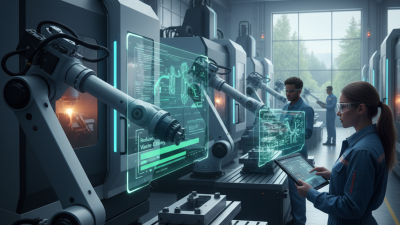
The rise of industrial CNC technology is reshaping the landscape of modern manufacturing. This technology streamlines processes and enhances precision, allowing for more efficient production. Companies can now create complex designs with relative ease. Industrial CNC machines operate with high accuracy, minimizing human error.
However, the integration of this technology poses some challenges. Workforce displacement is a concern, as automation replaces certain skilled jobs. Training and adaptation become crucial for maintaining a competitive edge. The initial investment in CNC machinery can be significant, causing hesitation for smaller enterprises.
Despite these hurdles, the benefits of industrial CNC technology are undeniable. It fosters innovation and drives industry standards forward. As manufacturers embrace these changes, they must also consider the broader impact on their teams and processes. Balancing technology with human talent is essential for sustainable growth.
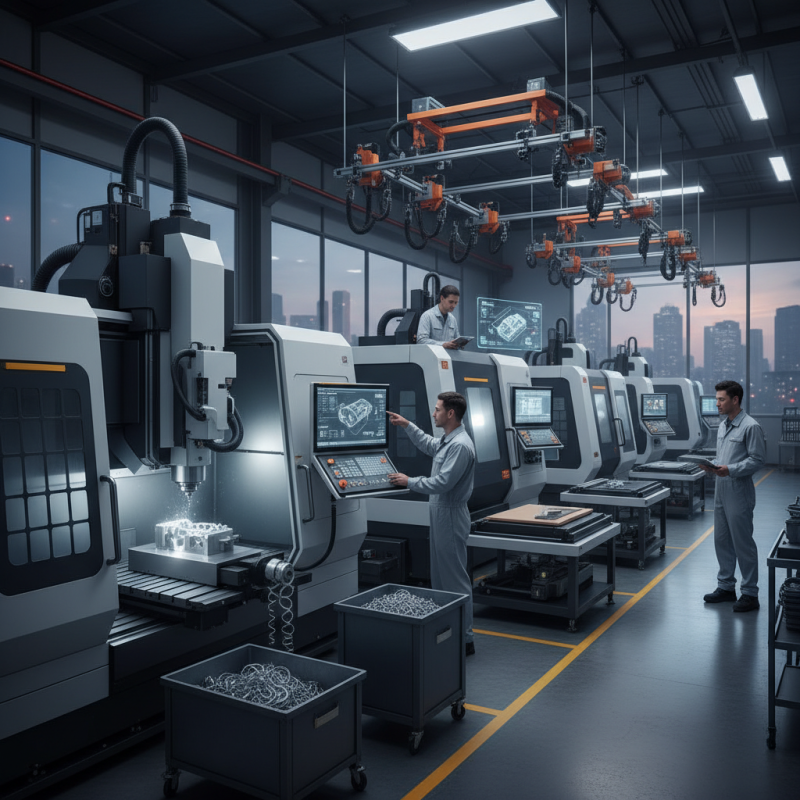
The Evolution of CNC Technology in Manufacturing Industries
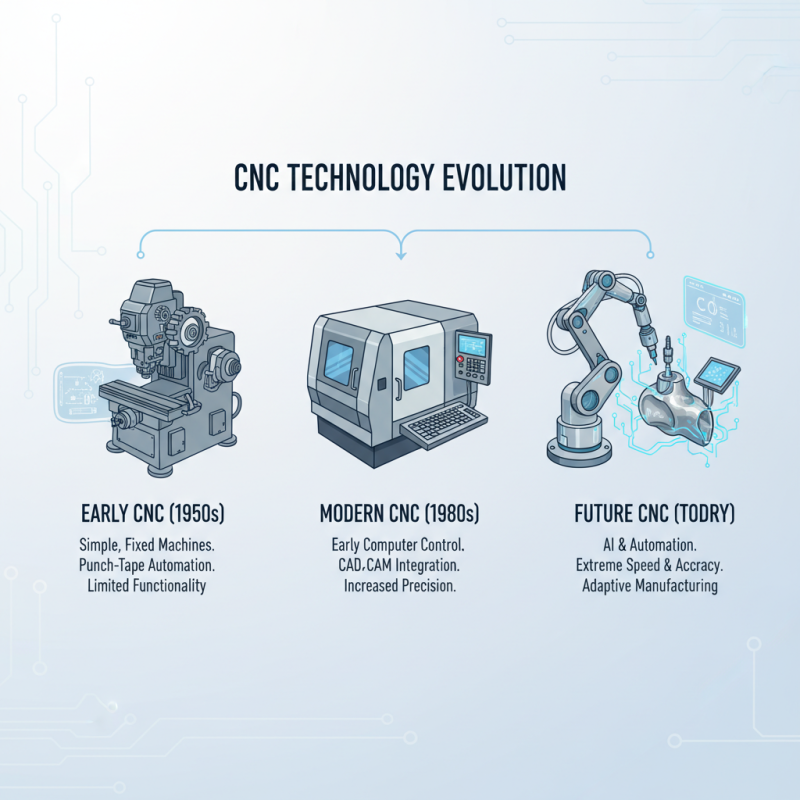
CNC technology has significantly evolved over the years. Initially, it started as simple, fixed machines. Now, we have complex systems capable of precision and speed. This transformation reshapes how industries approach manufacturing tasks.
Modern CNC machines integrate computer systems for better accuracy. They work on various materials, including metals and plastics. The use of advanced sensors enhances quality control. However, this advancement raises questions about training and workforce adaptation. Not everyone can operate these machines confidently, leading to a skills gap.
Tips: Investing in employee training is crucial. Equip your team with hands-on experience. Regular workshops can help them stay updated. Embrace networking opportunities to share knowledge and insight. Always review your processes; what worked yesterday might not suit today’s tech needs. Balancing tradition with innovation is vital for success.
Key Features of Industrial CNC Machines and Their Functionality
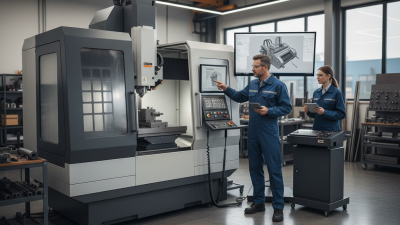
Industrial CNC machines revolutionize manufacturing by enhancing precision and efficiency. These machines automate processes that once required extensive manual labor. Research shows that CNC technology can increase production efficiency by 30% or more. Operators use computer software to control the machinery, ensuring that tasks are executed with exactitude. This ability allows for tighter tolerances, crucial in industries like aerospace and medical manufacturing.
Key features of modern CNC machines include advanced tooling, multi-axis capabilities, and real-time monitoring. Multi-axis capabilities enable machines to perform complex cuts in multiple directions. This flexibility reduces setup time and tooling costs. Additionally, real-time monitoring detects issues early in the production process. According to industry reports, manufacturers adopting this technology have reported a 20% decrease in waste materials. However, integrated systems may require periodic maintenance, which can disrupt production.
While these advancements are impressive, challenges remain. The initial investment for CNC machines can be high. Small manufacturers may struggle to afford this technology. Staff training is also essential for maximizing performance, potentially leading to a skills gap. As CNC technology evolves, addressing these issues is vital for broader adoption across the industry.
Benefits of CNC Technology in Enhancing Production Efficiency
CNC technology is revolutionizing the manufacturing landscape. It automates processes that were once manual, reducing errors and increasing precision. This shift leads to higher production efficiency that many industries are embracing. When machines take over repetitive tasks, human workers can focus on more complex challenges.
One significant benefit of CNC technology is speed. Parts can be produced faster, and downtimes are minimized. Adjustment between different projects is also streamlined. Companies can shift their focus from time-consuming setups to more productive workflows. However, integrating CNC systems can be daunting. Companies may face initial training costs and a learning curve for employees.
Moreover, while CNC machines enhance accuracy, they are not foolproof. Misconfigurations or software glitches can disrupt production. Regular maintenance is essential to prevent breakdowns. The shift to CNC technology demands a careful approach. Finding a balance between automation and human oversight is crucial for long-term success. Quality control must remain a priority, ensuring products meet standards.
Benefits of CNC Technology in Enhancing Production Efficiency
Impact of CNC Technology on Precision and Quality Control
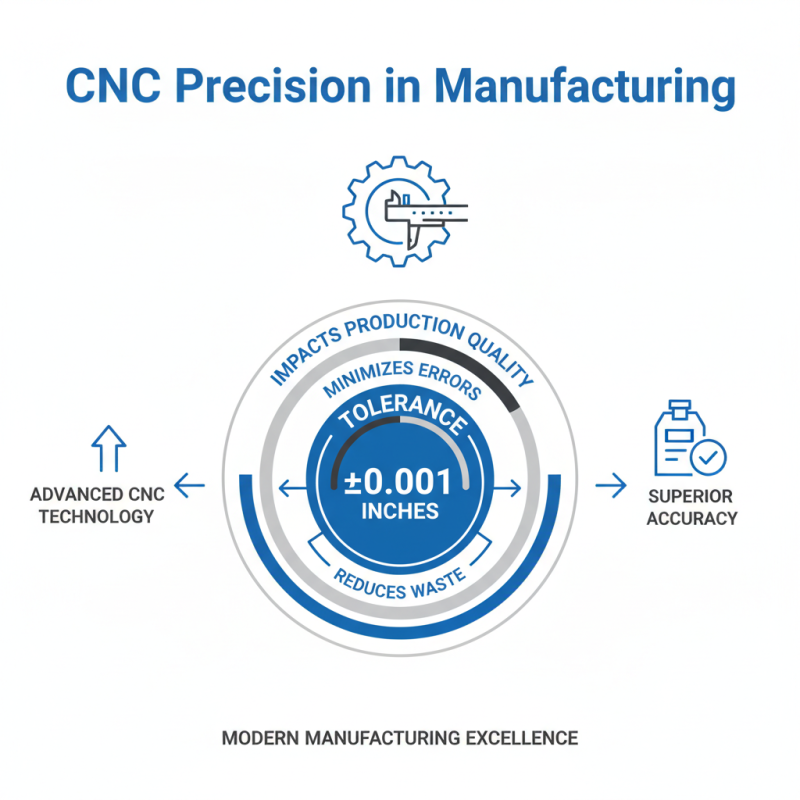
CNC technology has made significant strides in modern manufacturing. Precision is crucial for success, and CNC machines excel in this area. A recent report indicates that CNC machining can achieve tolerances as tight as ±0.001 inches. This level of accuracy minimizes errors and reduces waste, directly impacting production quality.
Quality control processes have also evolved with CNC technology. Traditional methods require extensive manual checks. In contrast, CNC systems come equipped with real-time monitoring capabilities. According to industry research, automated quality control can reduce inspection times by up to 40%. This leads to faster turnaround times while maintaining high standards.
However, relying heavily on CNC technology can present challenges. Initial setup costs are significant. Companies may struggle to justify these investments if production volumes are low. There’s also a learning curve associated with operating complex CNC systems. Training staff adequately is essential to avoid costly mistakes. Balancing precision, efficiency, and cost remains a critical reflection for manufacturers today.
Future Trends and Innovations in Industrial CNC Manufacturing
The landscape of industrial CNC manufacturing is rapidly evolving. Emerging technologies are shaping the future, making processes more efficient. Innovations like AI and machine learning enhance precision and reduce downtime. These developments allow for greater customization and adaptability in production.
Tips: Embrace new software to streamline operations. Regular training for workers is essential. Ensure your team stays updated on the latest CNC techniques.
3D printing is also making waves. It allows for the creation of complex parts in one go. This reduces material waste while speeding up the design process. However, integrating 3D printing with traditional CNC can be challenging. Companies must invest time to understand this technology.
Tips: Start small with 3D printing projects. Gradually expand as your team gains experience. Monitor results closely for continuous improvement.
Why Industrial CNC Technology is Transforming Modern Manufacturing? - Future Trends and Innovations in Industrial CNC Manufacturing
| Technology |
Application |
Benefits |
Future Trends |
| 5-Axis CNC Machining |
Complex part manufacturing |
Higher precision, reduced setup time |
Increased automation, enhanced capabilities |
| CNC Laser Cutting |
Cutting metals and plastics |
Clean cuts, minimal waste |
Integration with IoT for real-time monitoring |
| CNC Milling |
Fabrication of complex structures |
Versatility in materials |
Adoption of AI for predictive maintenance |
| CNC Plasma Cutting |
Metal sheet cutting |
Fast processing speeds |
Material database integration for efficiency |
| CNC Waterjet Cutting |
Cutting various materials |
No heat affected zone, versatility |
Sustainability focus with recyclable materials |