Top Steel Square Pipe Manufacturers for Global Buyers
Choosing reliable Steel Square Pipe Manufacturers requires more than comparing prices on a supplier website. Global buyers must examine production capacity, material quality, testing procedures, and export experience. A strong manufacturer should provide clear specifications, including outside dimensions, wall thickness, steel grade, length tolerance, and surface finish. These details matter when pipes enter structural frames, machinery bases, fencing systems, or architectural projects.
This guide introduces leading Steel Square Pipe manufacturers serving international markets. It considers factory capabilities, quality certifications, inspection practices, packaging methods, and delivery performance. Buyers should request mill test certificates and confirm whether independent inspections are available before shipment. Small details can reveal serious differences. For example, carefully strapped bundles protect corners during ocean transport, while poor wrapping may cause dents, rust, or identification problems.
Quality comes first.
Experience also matters. Manufacturers familiar with international orders usually understand container loading, customs documents, and regional standards. However, no ranking is perfect. A company with modern equipment may still communicate slowly or struggle with urgent changes. Another supplier may offer excellent support but limited production capacity. These practical weaknesses deserve attention, not marketing language.
The following overview helps purchasing teams compare suppliers with greater confidence. It encourages direct questions, sample reviews, and realistic evaluations of lead times. Reliable sourcing is not simply about finding the lowest quotation. It is about receiving consistent pipes, accurate documents, safe packaging, and dependable support throughout the project. Mistakes can happen, even among experienced producers. Careful verification remains essential.
What Defines a Reliable Steel Square Pipe Manufacturer
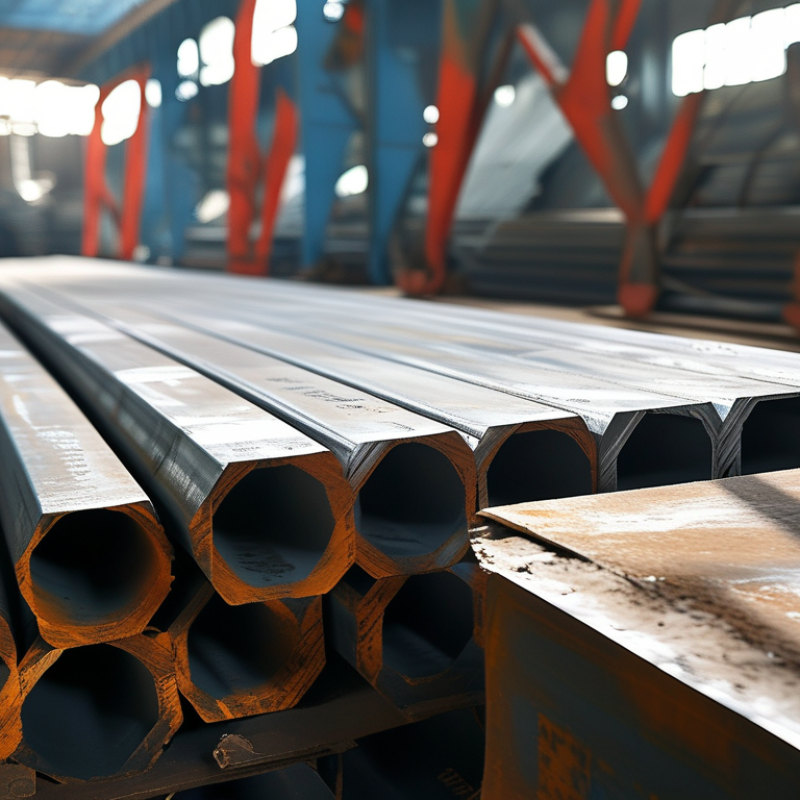
A reliable steel square pipe manufacturer proves quality through repeatable processes, not attractive promises. Experienced producers control steel grades, wall thickness, corner radius, and dimensional tolerances during every production stage. Their inspection teams use calibrated tools and maintain clear test records. This matters when pipes must fit frames, supports, or fabricated structures without costly adjustments.
Look for traceable raw materials, documented heat numbers, and independent mechanical testing. A dependable supplier should provide mill certificates, chemical analysis, tensile results, and inspection reports when requested. Production capacity also deserves attention. A factory may produce excellent samples yet struggle with large orders. That gap is easy to miss. Communication, packaging, and export documentation reveal practical experience. Pipes should arrive bundled securely, protected from moisture, and labeled for quick identification. No supplier is perfect. The important question is how openly they handle deviations and corrective actions.
Tips: Request a sample before placing a large order. Compare measured dimensions with the stated tolerance. Ask how rejected pipes are separated and recorded. Confirm coating requirements, bundle weight, delivery terms, and replacement procedures in writing. Visit the facility if the order is critical. A video tour helps, but it cannot replace independent verification. Check the details twice.
What Defines a Reliable Steel Square Pipe Manufacturer?
This 100-point buyer evaluation framework highlights the factors commonly used in international procurement. Product conformity includes compliance with relevant specifications such as ASTM A500 or EN 10219. Quality consistency, delivery performance, material test certificates, traceability, and technical support are also essential when comparing suppliers.
Key Steel Square Pipe Manufacturing Methods and Standards
Top Steel Square Pipe Manufacturers for Global Buyers
Steel square pipes are produced through several controlled methods. Cold forming bends steel strip into a square profile, then joins the seam by high-frequency welding. This method offers accurate dimensions and efficient production. Hot-finished or hot-formed pipes tolerate higher forming temperatures and may reduce residual stress. Seamless production removes the welded seam, but it usually costs more and requires careful dimensional inspection.
Reliable manufacturers work to recognized standards, including ASTM A500, EN 10219, and JIS G3466. These standards can define chemical composition, yield strength, tensile strength, elongation, wall thickness, and dimensional tolerance. Buyers should request mill test certificates, heat numbers, and inspection records. Weld integrity also matters. Common checks include visual examination, ultrasonic testing, flattening tests, and tensile testing. The correct standard depends on the structure, loading conditions, local regulations, and required coating.
Tips: Confirm the standard edition and grade before ordering. Compare actual wall thickness, not only nominal size. Ask how corner radius and straightness are measured. A small deviation can affect fabrication. It is easy to overlook.
In practice, quality is not proven by certificates alone. Consistent sampling, traceability, calibrated equipment, and experienced inspectors provide stronger evidence. Some suppliers may meet the chemistry but miss surface quality or length tolerance. That gap deserves attention. Request sample reports and clarify acceptance criteria before production begins.
Leading Regions for Global Steel Square Pipe Suppliers
For global buyers, supplier location can influence quality, lead time, and landed cost. East Asia remains a major sourcing region for steel square pipes. China offers broad production capacity, varied wall thicknesses, and competitive pricing. India is gaining attention for fabricated sections and export-ready production. Buyers should inspect mill test certificates, heat numbers, and dimensional records before ordering.
Turkey serves buyers near Europe, the Middle East, and North Africa. Its regional location can shorten ocean routes and support smaller shipment sizes. European suppliers often provide strong traceability, precise tolerances, and dependable compliance documentation. However, their pricing may reflect higher energy and labor costs. North American producers can be practical for domestic projects, especially when local standards and faster delivery matter.
Location is only one filter. A factory visit, third-party inspection, or live production audit can reveal more than a polished catalog. Check welding seams, corner squareness, surface condition, and bundle protection. Ask how rejected material is controlled. This detail is easy to overlook. In my experience, buyers sometimes focus too heavily on the lowest quotation. That approach can fail when coating thickness, packaging, or port handling is unclear. No region is perfect. Even experienced procurement teams should compare production evidence, communication speed, and after-sales responsibility before approving a supplier.
How to Evaluate Steel Square Pipe Manufacturers for Your Needs
When evaluating steel square pipe manufacturers, begin with evidence, not polished catalog images. Request recent mill test certificates, dimensional reports, and traceability records for each production batch. These documents should identify steel grade, chemical composition, yield strength, tensile strength, and elongation. Ask how the factory controls outside diameter, wall thickness, corner radius, and straightness. Small deviations can complicate welding or frame assembly. Measure samples yourself when possible. Photos can mislead.
A capable supplier should explain its inspection process in clear, practical language. Visit the facility, or arrange a verified third-party audit. Look for calibrated gauges, marked bundles, dry storage, and organized production areas. Check whether operators record measurements during forming, welding, cutting, and coating. Production capacity matters, but consistency matters more. Compare trial orders with larger shipments before making a long-term commitment. A factory that refuses reasonable technical questions deserves caution.
Your evaluation should also cover packing, loading methods, delivery schedules, and after-sales communication. Confirm bundle weights, pipe lengths, surface protection, and document accuracy before shipment. Request references from buyers with similar project requirements, not just general testimonials. A low quotation may hide thinner walls, higher rejection rates, or extra finishing work. That detail is easy to miss. No checklist is perfect. Leave room for questions, independent testing, and a realistic review of your own specifications.
Import, Quality Control, and Delivery Considerations for Global Buyers
Top Steel Square Pipe Manufacturers for Global Buyers
Import decisions should begin with traceable evidence, not attractive quotations. The World Steel Association reported 1.892 billion tonnes of crude steel production in 2023. This scale creates wide differences in consistency, testing, and documentation. Request heat numbers, chemical analysis, mechanical results, dimensional tolerances, and coating records before placing a purchase order. Match the specification to the destination market, including wall thickness, corner radius, length tolerance, and inspection standards. Small mismatches can delay customs clearance or fabrication.
Quality control needs physical checks. A competent third-party inspector should verify bundle count, outside dimensions, wall thickness, weld appearance, and surface condition. Ultrasonic testing may identify hidden weld defects, but it should follow an agreed sampling plan. Certificates deserve scrutiny. A document alone is not proof of every bundle. The OECD Steel Outlook 2023 warned that global excess steel capacity could reach about 644 million tonnes by 2025. Pressure to sell may increase, although low prices do not automatically mean poor quality. That assumption needs reconsideration.
Delivery planning must include more than the factory lead time. UNCTAD reports that maritime shipping carries over 80% of global merchandise trade, so port congestion, transshipment, and weather can affect arrival dates. Use realistic shipment windows, container loading photographs, moisture protection, and independent weight verification. The World Bank’s Logistics Performance Index 2023 evaluates customs, infrastructure, logistics competence, tracking, and timeliness. These factors matter when comparing suppliers. Build a buffer. Even careful planning can fail.