Why Metal 3D Printing is Revolutionizing Modern Manufacturing?
Metal 3D printing is changing the landscape of modern manufacturing. This technology allows for intricate designs that traditional methods struggle to produce. Manufacturers can create complex geometries with high precision, reducing material waste.
The process involves melting metal powder layer by layer. Each layer builds upon the last, forming robust parts. This approach offers flexibility in design, enabling rapid prototyping and testing. Companies can iterate designs quickly, adapting to market needs. However, the technology is not without challenges. Understanding the nuances of metal 3D printing requires time and skill.
Despite its potential, some still question its reliability. The cost of equipment and materials remains high. Additionally, the need for skilled operators adds to the complexity. Businesses must weigh these factors against the benefits. Overall, metal 3D printing represents a leap forward. It invites innovation while also requiring careful consideration.
The Evolution of Metal 3D Printing Technology
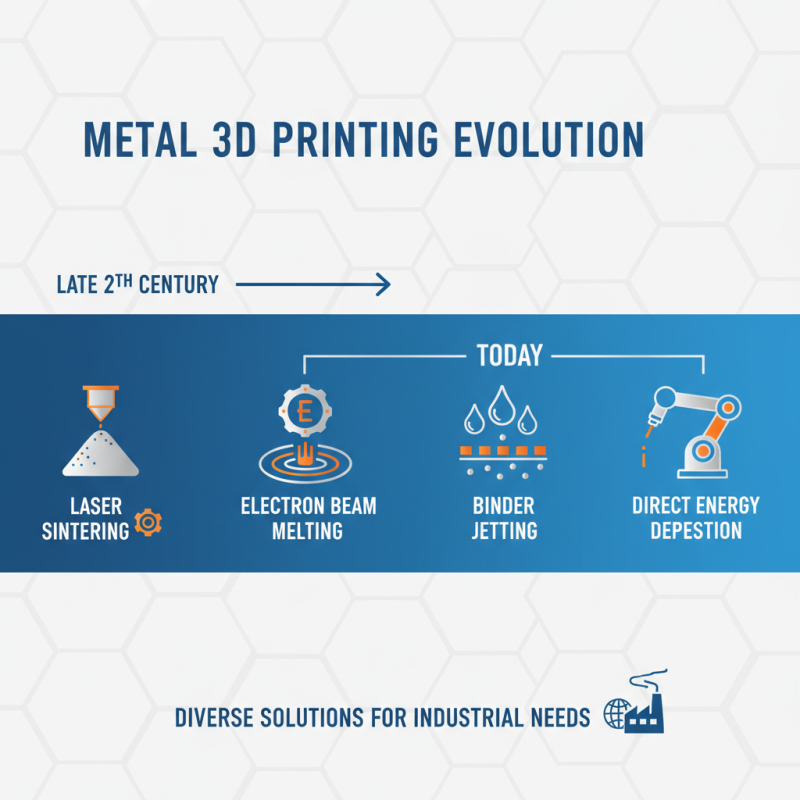
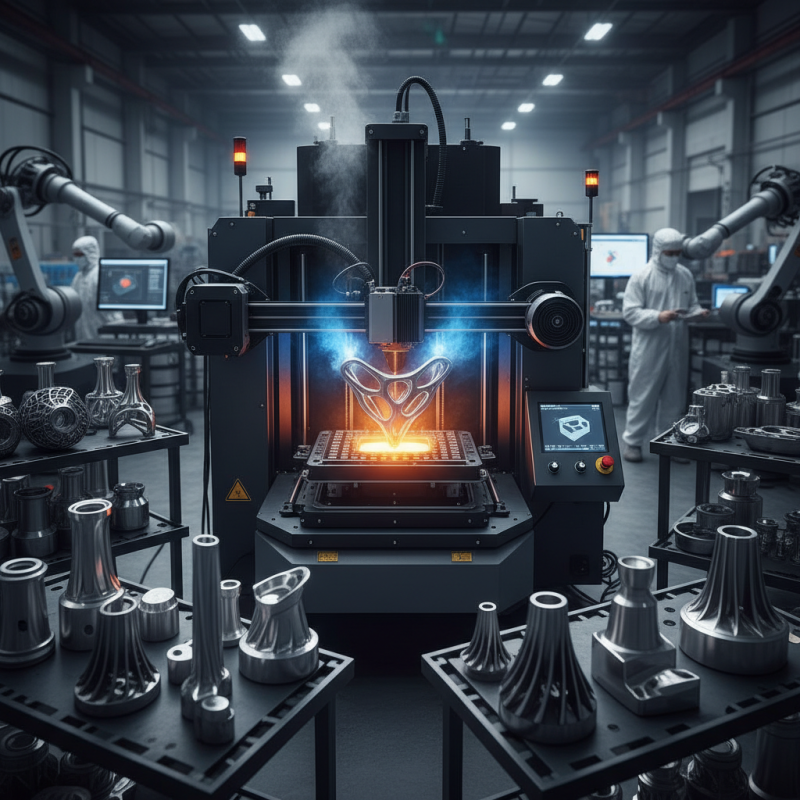
The evolution of metal 3D printing technology has been a game changer in manufacturing. This innovation began in the late 20th century. Initial techniques used lasers to sinter powdered metal. Today, methods have expanded dramatically. They now include electron beam melting and binder jetting. Each method has unique advantages and challenges. This diversity offers various solutions for industrial needs.
Industry reports show that the metal 3D printing market is projected to reach $7.3 billion by 2025. Companies are increasingly adopting these technologies for faster prototyping and production. Notably, 70% of manufacturers report improved design flexibility. However, some challenges persist. Material costs can be high, and not all designs translate easily to 3D printing. The learning curve is steep. Companies must invest time and resources to train their staff.
Quality control remains a hot topic. Engineers often face inconsistent results across different machines. This inconsistency can lead to delays and increased costs. As the industry matures, addressing these gaps will be vital. Continuous improvement and innovation are necessary to unlock the full potential of metal 3D printing. The journey is ongoing, and reflection will be key to overcoming these hurdles.
Key Advantages of Metal 3D Printing in Manufacturing
Metal 3D printing is changing the landscape of manufacturing. According to a report by Wohlers Associates, the 3D printing industry is expected to reach $63.46 billion by 2026. This growth is largely driven by the benefits of metal 3D printing. One key advantage is the ability to produce complex geometries that traditional methods struggle to achieve. For example, lightweight components can be created without compromising strength, making parts more efficient.
Another significant benefit is material conservation. Metal 3D printing uses additive techniques, which means material is built layer by layer. This approach reduces waste considerably. In fact, some reports suggest that metal waste can be decreased by as much as 90% compared to subtractive methods. The flexibility of design allows engineers to rethink their manufacturing processes.
Tips: Focus on prototyping with 3D printing. Test designs early on to gauge feasibility. Additionally, consider the long-term savings on material costs. It's not without flaws, as challenges remain in production speed and surface finish. Continuous improvement is essential for optimal results.
Applications of Metal 3D Printing Across Various Industries
Metal 3D printing is transforming various industries. It enables the creation of complex parts that traditional methods struggle with. In aerospace, companies use 3D printing to produce lighter components. These parts help aircraft save fuel and reduce emissions.
In the medical field, custom prosthetics are made using metal 3D printing. This technology allows for tailored solutions for individual patients. These devices fit better, resulting in improved comfort and functionality.
Tips: When exploring metal 3D printing, consider the cost of materials. Some metals are expensive, impacting your budget. Also, be prepared for a learning curve. Understanding the technology requires time and patience.
The automotive sector is also benefiting from this innovation. Car manufacturers can create intricate designs that were not possible before. However, the speed of production can be an issue. Parts take time to print, which could delay timelines.
Tips: Always assess the lead time needed for parts. This is crucial for maintaining production schedules. Also, think about post-processing requirements. Some parts may need extra finishing, which adds to the workflow.
Why Metal 3D Printing is Revolutionizing Modern Manufacturing? - Applications of Metal 3D Printing Across Various Industries
| Industry |
Application |
Benefits |
| Aerospace |
Lightweight components for aircraft |
Reduces fuel consumption and improves efficiency |
| Automotive |
Customized parts for high-performance vehicles |
Enhances performance while reducing weight |
| Healthcare |
Personalized implants and surgical tools |
Increases compatibility and reduces surgery time |
| Defense |
Durable parts for military equipment |
Improves readiness and reduces supply chain issues |
| Energy |
Components for renewable energy systems |
Optimizes efficiency and enables innovative designs |
Challenges and Limitations of Metal 3D Printing Techniques
Metal 3D printing is gaining traction in modern manufacturing. However, several challenges hinder its full potential. Understanding these limitations is crucial for manufacturers considering this technology.
One major challenge is material availability. While metal 3D printing can work with various alloys, not all materials are accessible or suitable for every application. Costs also remain high. A recent industry report noted that producing a complex metal part can cost significantly more than traditional methods. This can limit its use in cost-sensitive sectors.
Another issue is the printing speed. Metal 3D printers often take longer to create parts compared to conventional techniques. For instance, a study showed that some metal parts can take up to 24 hours to print. This can create bottlenecks in production timelines.
Tips: Focus on select applications. Use metal 3D printing for prototypes or unique designs. Invest in training staff. Understanding the technology is essential to maximize its benefits. Keep an eye on material advancements. New alloys are developed continuously.
The need for post-processing can also complicate things. Many metal parts require additional finishing, increasing both time and costs. Manufacturers must weigh these factors carefully. While metal 3D printing holds promise, these challenges remind us to manage expectations strategically.
Future Trends and Innovations in Metal 3D Printing
Metal 3D printing is reshaping the manufacturing landscape. The technology has grown significantly over the past decade, with the global metal 3D printing market expected to reach $3.25 billion by 2025. This growth indicates a strong shift towards additive manufacturing processes. Companies are increasingly adopting this technology for producing complex geometries that were previously impossible.
Future trends in metal 3D printing highlight several innovations. Improved materials are at the forefront. New alloys are being developed that offer greater durability and performance. For instance, titanium and aluminum alloys are now more reachable through this technology, catering to industries like aerospace and automotive. Statistics show that 34% of manufacturers believe metal 3D printing reduces waste, making it more sustainable.
Despite these advancements, challenges remain. Slow build rates still hamper large-scale production. Additionally, quality control can be inconsistent during the printing process. As companies navigate these hurdles, continuous research and development will be vital. The excitement surrounding these innovations is palpable, yet realistic expectations must align with ongoing trials.