How to Optimize Precision Machining for Enhanced Production Efficiency?
In the world of precision machining, efficiency is key. Industry expert Dr. John Miller once said, "Optimizing precision machining processes can lead to significant cost savings." This statement resonates deeply in today’s competitive landscape, where every second counts. Achieving optimal production efficiency is crucial for staying ahead.
Precision machining involves intricate processes that require meticulous attention. Strategies to enhance efficiency can include adopting advanced technologies, implementing lean practices, and continuously improving workflows. However, it is essential to remember that not every method works for every organization. Each shop has unique challenges. Therefore, it is vital to reflect on what truly enhances your specific processes.
Many manufacturers overestimate their optimization efforts. They may implement new tools without fully analyzing their workflow. This often leads to incomplete results. Real progress comes from a deep understanding of both the machinery and personnel involved. Continuous evaluation and adaptation are necessary for true efficiency. Precision machining is not just about cutting metal; it’s about optimizing every aspect of production.
Understanding the Basics of Precision Machining and Its Importance
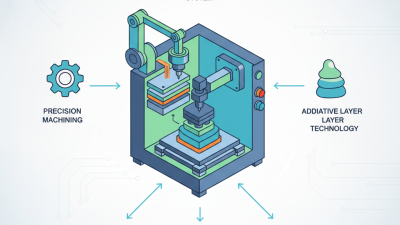
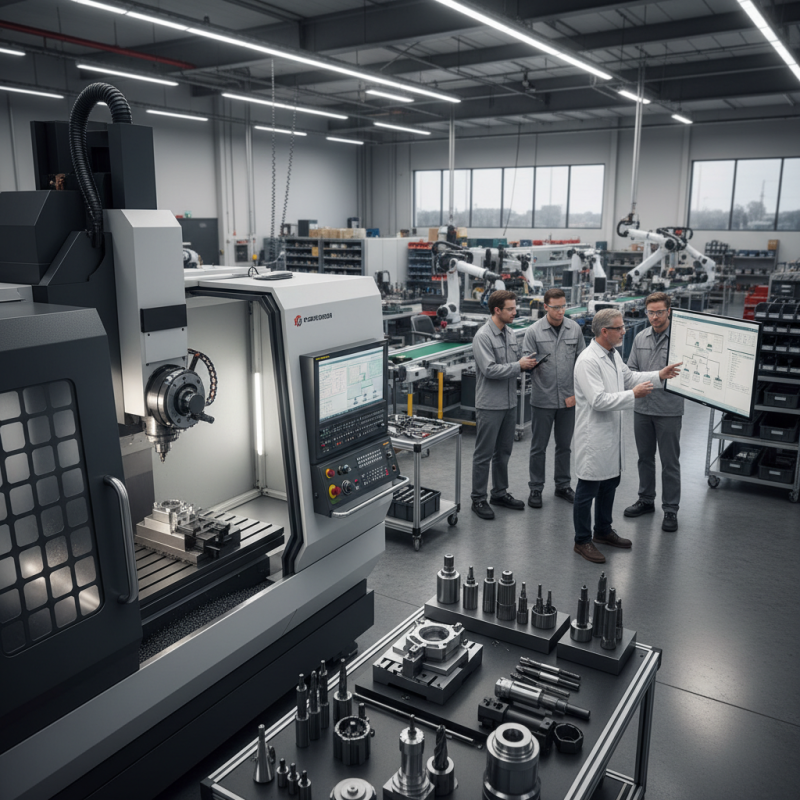
Precision machining is essential in various industries. It involves processes like turning, milling, and grinding to create precise components. Accuracy is key; even small errors can lead to significant issues. This is why understanding the basics is critical. Each step in machining must be carefully controlled and monitored.
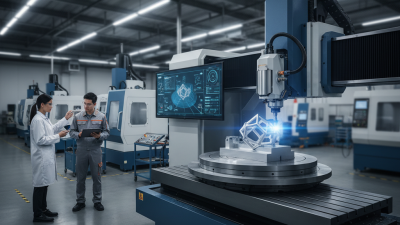
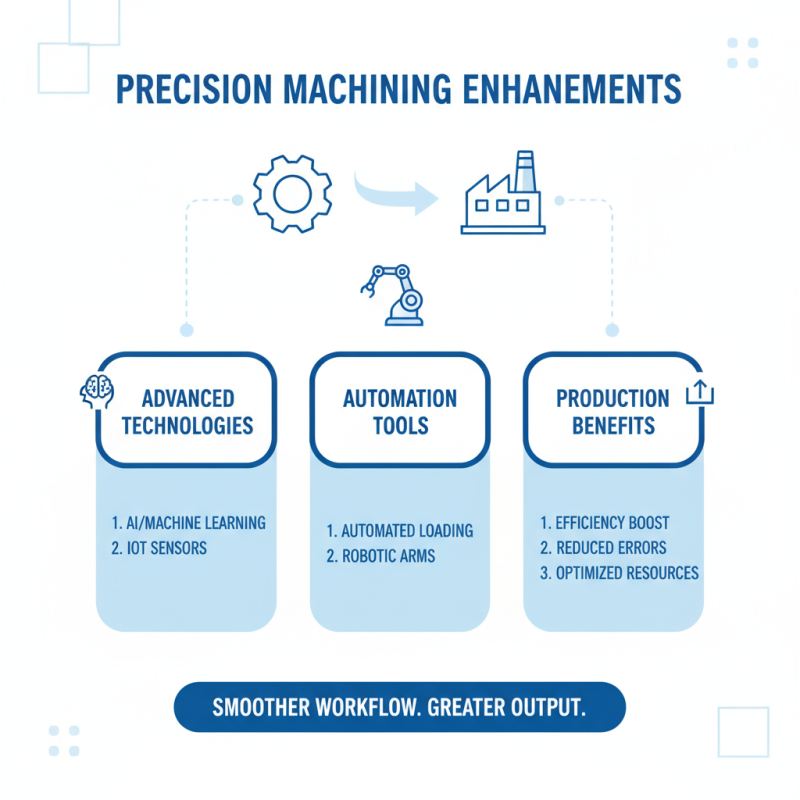
Embracing modern technologies can enhance production efficiency. For instance, using advanced CNC machines can automate processes. However, a lack of skilled operators can lead to problems. If the machinery is not correctly calibrated, mistakes can occur. Additionally, over-reliance on automation might hinder problem-solving skills among workers.
Quality control is another vital aspect. Regular inspections help identify defects before they escalate. Yet, it’s easy to overlook this step in a fast-paced environment. Workers might prioritize speed over quality. Ultimately, balancing speed and precision is challenging but necessary for success in precision machining.
Identifying Key Factors Affecting Production Efficiency in Machining
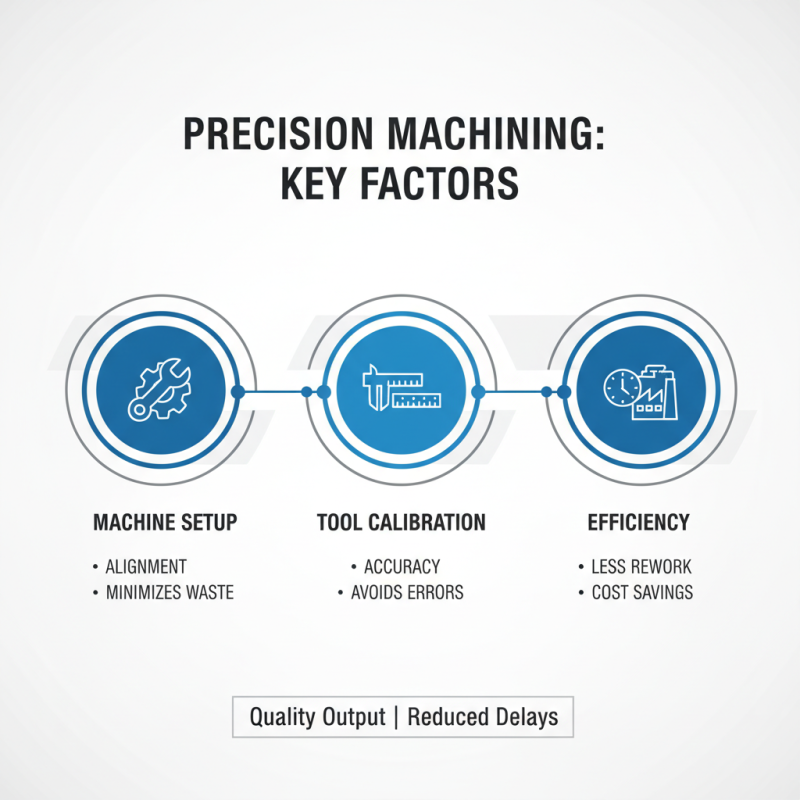
Precision machining is a complex process influenced by several key factors. Machine setup is crucial. Proper alignment impacts accuracy and minimizes waste. Ensure tools are calibrated correctly. This avoids costly errors and delays. A poorly set machine can lead to rework. This, in turn, affects overall efficiency.
Tool selection is another vital element. The right tools enhance performance. They should be compatible with the materials used. A mismatch can cause tool wear, increasing downtime. Regular tool maintenance is essential. It ensures longevity and consistent results. Monitoring tool condition can prevent unexpected breakdowns.
Workflow organization cannot be overlooked. A streamlined process reduces unnecessary steps. However, some setups may still lack efficiency. Identifying bottlenecks is important. Visual aids can help track workflow. Yet, effective communication among the team is often neglected. This can lead to misunderstandings. It’s worth reflecting on how team dynamics affect production. Every aspect plays a role in optimizing efficiency.
Establishing Best Practices for Tool Selection and Maintenance
Tool selection is vital in precision machining. Choosing the right tools can greatly enhance production efficiency. Consider the material you are machining. Different materials require specific cutting tools. For instance, harder materials may need carbide tools, while softer metals can use high-speed steel. It’s essential to match the tool to your workpiece to avoid premature wear or ineffective cuts.
Maintenance is equally important. Regularly inspect tools for signs of wear or damage. Dull tools can lead to poor surface finishes and increased cycle times. A good practice is to establish a routine for cleaning and sharpening tools. This may seem tedious, but it pays off in the end. Monitor tool performance closely to identify when replacements are needed. Failing to do so can lead to production delays and increased costs.
Balancing tool selection and maintenance can be challenging. Sometimes, the best tools are overlooked due to price or availability. However, investing in quality tools often yields better results. Reflecting on past choices can help improve future decisions. Assessing both tools and their upkeep can ultimately lead to greater efficiency in your machining operations.
Continuous Improvement Strategies for Optimizing Machining Operations
Continuous improvement in machining operations is critical to enhance production efficiency. A recent report from the National Institute of Standards and Technology shows that 80% of manufacturing firms leverage continuous improvement strategies. However, many are yet to fully adopt them. Streamlining workflows and machinery setup can yield substantial gains. For instance, optimizing tool paths can reduce cycle times by 30%. This kind of data-driven approach remains underutilized in many facilities.
One common issue is the resistance to change among staff. Employees often feel comfortable with existing processes. This can lead to stagnation. Engaging workers in improvement discussions can provide valuable insights. A study by the American Society for Quality found that 30% of failures in implementing changes relate to team disengagement. Addressing this can spark innovation and spark a culture of enhancement.
Data monitoring also plays an essential role. Gathering real-time information allows for swift reactions to inefficiencies. Some companies report that integrating IoT solutions has improved machine uptime by 25%. Yet, many still rely on outdated metrics. Streamlining these processes can be challenging but is necessary for future success. Embracing both the technology and the workforce's input will be crucial as the industry evolves.