Why is Passivating Stainless Steel Essential for Durability?
Passivating Stainless Steel is a crucial process for enhancing its durability. This treatment forms a protective layer on the surface, preventing corrosion. Stainless steel, despite its name, can still rust if not treated properly. The passivation process removes free iron and enhances resistance to environmental elements.
Many industries rely on stainless steel for its strength and aesthetic appeal. However, overlooking the importance of passivation can lead to costly failures. A well-passivated surface helps ensure that the material withstands harsh conditions, extending its lifespan.
Yet, not all passivating methods are equal. Improper techniques can result in incomplete protection, leading to vulnerabilities. Understanding the science behind passivating stainless steel is essential for manufacturers. Proper training and expertise in this area can make a significant difference in performance and reliability. Investing in passivation not only saves costs but also enhances the overall quality of stainless steel products.
The Concept of Passivation in Stainless Steel
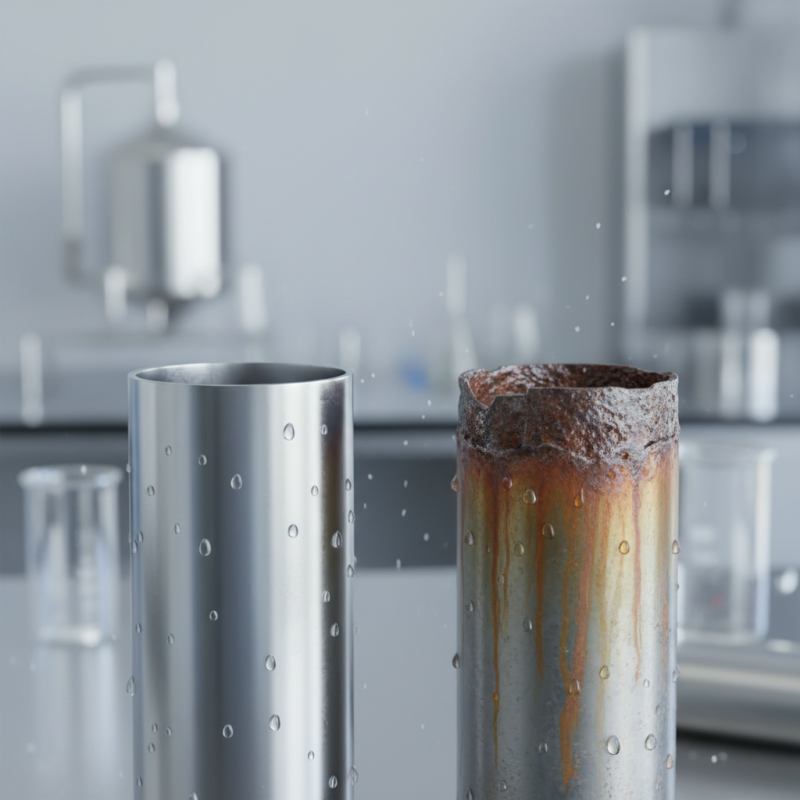
Passivating stainless steel is a crucial process that enhances its durability. This technique involves treating stainless steel with chemicals to remove free iron and other contaminants from its surface. The result is a thin, protective layer that prevents corrosion. Without passivation, stainless steel may be more susceptible to rust, reducing its lifespan and performance.
Tips: Always ensure the stainless steel surface is clean before passivation. Contaminants can undermine the effectiveness of the process. Consider using ultrasonic cleaning to achieve optimal results.
Another benefit of passivation is improved aesthetic appeal. A well-passivated surface appears brighter and cleaner. This is important for applications where appearance matters. However, improper passivation may lead to uneven surfaces, causing potential issues.
Tips: Regularly inspect the passivated surfaces to maintain their integrity. Address any signs of corrosion promptly to prevent further damage.
Why is Passivating Stainless Steel Essential for Durability?
The chart below illustrates the effectiveness of passivation in enhancing the corrosion resistance of various grades of stainless steel over time.
Importance of Passivation for Corrosion Resistance
Passivation is a crucial process for enhancing the corrosion resistance of stainless steel. This method involves treating the surface of stainless steel to remove free iron and restore the passive oxide layer. According to the American Society for Testing and Materials (ASTM), a well-passivated stainless steel can exhibit up to 100 times greater resistance to corrosion compared to untreated surfaces. This stark contrast underscores the significance of passivation in prolonging the lifespan of stainless steel products.
Corrosion is an omnipresent threat to metal components. Conditions such as humidity and exposure to salts can hasten degradation. The National Association of Corrosion Engineers (NACE) has reported that corrosion costs the US economy over $276 billion annually. Proper passivation can drastically reduce these costs by enhancing the longevity of stainless steel. However, the effectiveness of this process can vary. Factors like surface contaminants and the passivation technique used play pivotal roles, making professional evaluation essential.
Strikingly, not all passivation processes yield the same results. Inconsistent application can lead to uneven protection, leaving some areas vulnerable. Observations from metallurgical studies suggest that achieving uniformity in the passivation layer is critical. This complexity necessitates a deeper understanding of the specific environment where the stainless steel will be used. Investing time in optimizing passivation will ultimately translate into superior performance and durability.
Processes Involved in Stainless Steel Passivation
Passivation is a crucial process for enhancing the longevity of stainless steel. This technique involves treating the metal surface to form a protective oxide layer. Without this layer, stainless steel is vulnerable to corrosion. The passivation process typically includes cleaning, rinsing, and applying a passivating solution. Each step is vital to ensure that the stainless steel is adequately protected.
The cleaning phase removes contaminants like oils, dust, and residues. This step often employs a mix of acids, which should be handled with care. Following cleaning, a thorough rinse is essential to eliminate any leftover chemicals. Next, the passivating solution, often containing nitric or citric acid, is applied. This solution enhances the natural oxide layer that forms on stainless steel, significantly improving its resistance to rust and pitting.
Despite its effectiveness, not all stainless steel benefits equally from passivation. Factors such as the alloy composition and environmental exposure play a role. Improper treatment may lead to insufficient passivation, leaving areas unprotected. Regular inspection and maintenance are necessary. Passivation is not a one-time fix. It must be part of a broader strategy for ensuring the durability of stainless steel in various applications.
Why is Passivating Stainless Steel Essential for Durability?
| Process | Description | Benefits | Typical Applications |
| Chemical Passivation | Involves treating stainless steel surfaces with a passivating solution to enhance corrosion resistance. | Increased corrosion resistance, improved surface quality. | Aerospace components, pharmaceutical equipment. |
| Electropolishing | An electrochemical process that removes material from stainless steel to create a smooth, polished surface. | Enhanced surface finish, reduced bacteria adhesion. | Food processing, medical devices. |
| Pickling | Involves using an acidic solution to remove oxides and scale from stainless steel. | Restores corrosion resistance, improves aesthetics. | Construction, automotive parts. |
| Passivation by Nature | Natural formation of a protective oxide layer on stainless steel surfaces without intervention. | Self-regenerating protection, cost-effective. | Outdoor structures, marine environments. |
Factors Affecting the Effectiveness of Passivation
Passivation is a critical process for enhancing the durability of stainless steel. It involves treating the metal to form a protective layer of chromium oxide. This layer minimizes corrosion in various environments, especially where moisture is present. Factors affecting the effectiveness of passivation include the material composition, surface cleanliness, and the passivation process itself.
A study published by the National Association of Corrosion Engineers indicates that stainless steel lacking proper passivation may experience up to 50% higher corrosion rates. Clean surfaces lead to better adherence of the passivation layer. Areas with contaminants, like oils or grease, can hinder this process. Additionally, the composition of stainless steel influences its response to passivation. For instance, alloys with higher nickel content may achieve better passivation results.
The choice of passivation solution also plays a crucial role. Solutions can vary widely in their effectiveness, often between citric acid and nitric acid. Each has its pros and cons. There is no one-size-fits-all solution, prompting manufacturers to experiment. Achieving optimal results may require adjustments and fine-tuning of the process parameters. Such nuances can be easily overlooked, but they significantly impact the metal’s performance.
Long-Term Benefits of Passivated Stainless Steel for Durability
Passivation is a crucial process for enhancing the durability of stainless steel. This treatment removes free iron and other contaminants from the surface, creating a more resistant oxide layer. According to a study by the American Society for Metals, passivated stainless steel can exhibit a 50% increase in corrosion resistance compared to untreated steel. This is vital for environments exposed to moisture, chemicals, or salt.
One major long-term benefit of passivation lies in its ability to reduce maintenance costs. In industrial settings, stainless steel equipment often suffers from corrosion, leading to frequent repairs or replacements. Data from NACE International indicates that effective passivation can lead to a lifespan increase by up to 25% in frequently exposed environments. Additionally, passivated stainless steel can endure harsh cleaning processes without degrading, ensuring longevity.
Despite the obvious advantages, not all stainless steel gets passivated due to cost constraints or lack of awareness. Many users overlook this essential step, risking the material's durability. This negligence can lead to unexpected expenses and safety hazards. Reflecting on best practices in the industry can ensure optimal performance and long-term benefits in various applications.