What is Production Machining and How Does it Work?
Production machining is a critical component of modern manufacturing. It involves the precise shaping and cutting of materials, often metals, into intricate parts. According to a report by Grand View Research, the global machining market was valued at over $70 billion in 2022, with a projected growth rate of about 6% annually. This growth emphasizes the importance of production machining in various sectors, including automotive, aerospace, and electronics.
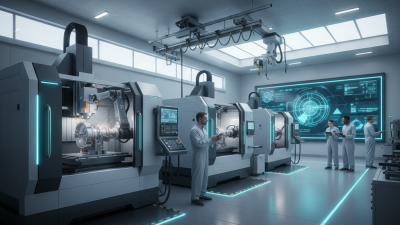
The process of production machining is highly specialized. It utilizes advanced technologies such as CNC (Computer Numerical Control) machines. These machines enhance efficiency and accuracy. However, the challenges faced by manufacturers are significant. With rising material costs and global competition, staying competitive is a constant struggle. The importance of skilled workforce training cannot be overstated.
In production machining, quality control plays a crucial role. Ensuring that each part meets stringent specifications is vital. Despite advancements, mistakes can occur. These errors may lead to waste of materials and increased costs. Therefore, continuous improvement and adaptation to new technologies are necessary for success in this industry.
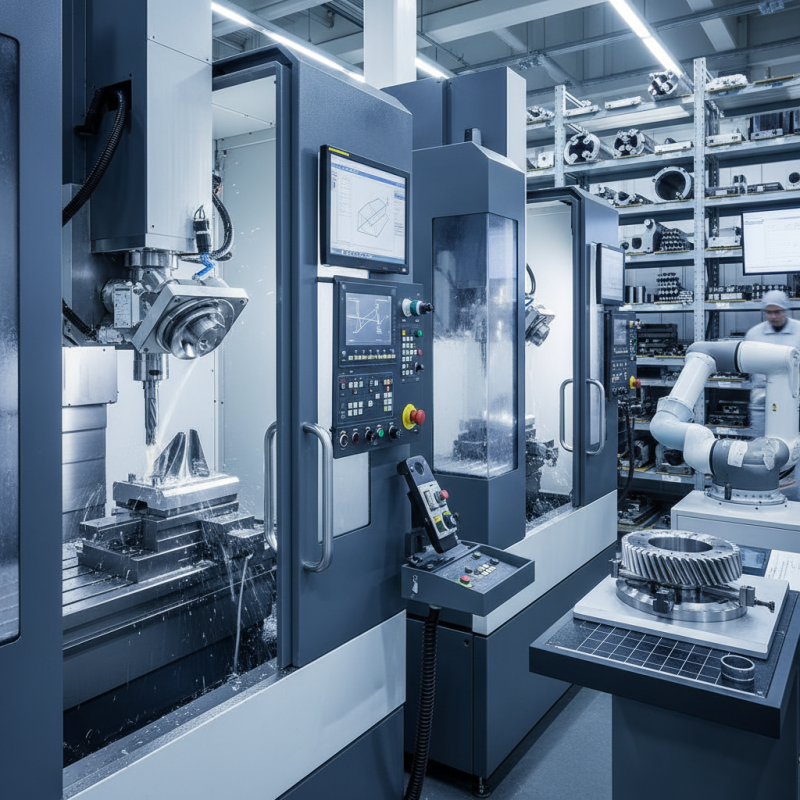
What is Production Machining?
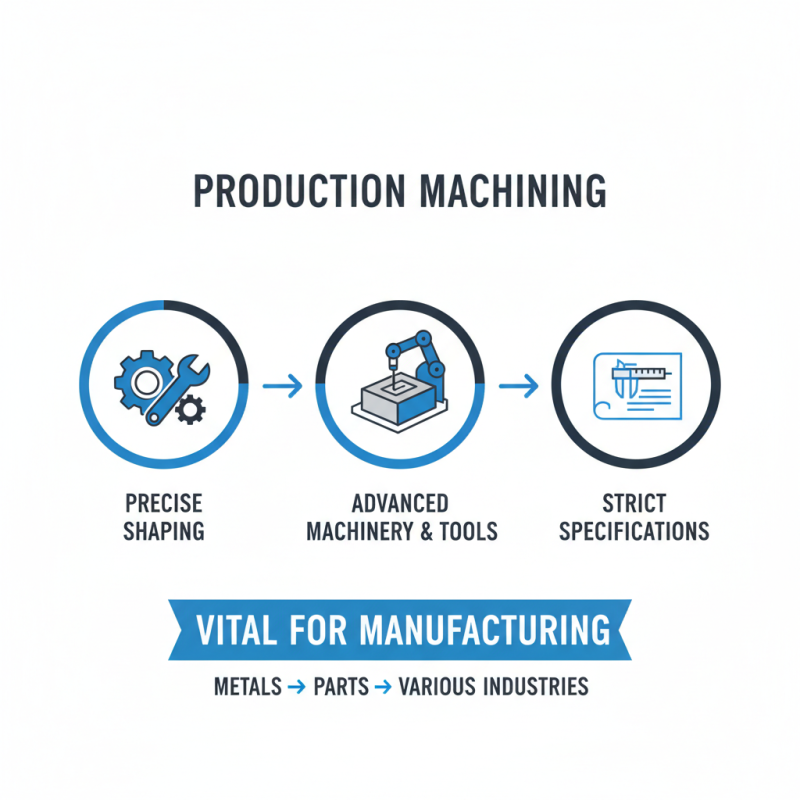
Production machining is a vital process in manufacturing. It involves the precise shaping of materials, often metals, into parts required for various industries. This process uses advanced machinery and tools to ensure accuracy. The goal is to create parts that meet strict specifications.
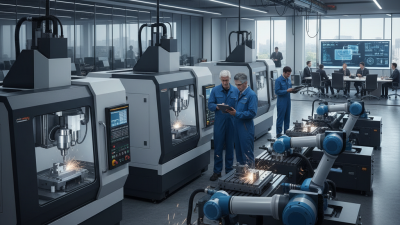
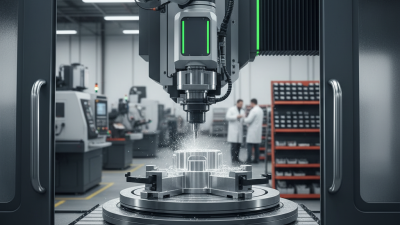
During production machining, raw materials are fed into machines, like lathes and mills. These machines cut, drill, or grind the materials into desired shapes. Each machine plays a specific role, contributing to the overall efficiency of the process. Surprisingly, even small errors can lead to considerable waste. This raises the question of how often quality checks are performed.
The process relies heavily on skilled operators and programmed systems. A delicate balance is essential in achieving optimal production rates. However, not every setup is perfect; adjustments may be needed. Tools wear down, and machines can malfunction, leading to hiccups in production. This requires constant evaluation and refinement of techniques.
Key Principles of Production Machining Processes
Production machining is a vital process in manufacturing. It involves shaping materials, usually metals, into precise components. These components are essential for various industries, including automotive and aerospace. The principles behind production machining are critical in ensuring the efficiency and accuracy of the processes.
One key principle is the use of cutting tools. These tools remove material by shearing, creating the desired shape. The angle of the cut, speed, and depth all affect the quality. Too aggressive a cut can lead to tool wear. Understanding this balance is crucial for production. It requires continuous monitoring and adjustment. Furthermore, the choice of materials often impacts the machining process. Softer materials are easier but may not yield the durability needed for certain applications.
Another important principle is the concept of automation. Automated systems can enhance productivity and reduce human error. However, reliance on automation may come with challenges. Machines can malfunction and lead to costly downtime. Regular maintenance is necessary to prevent issues. Operators must also be skilled in troubleshooting. This highlights the need for a human touch in a largely automated environment, emphasizing the balance between technology and craftsmanship.
What is Production Machining and How Does it Work? - Key Principles of Production Machining Processes
| Process Type |
Material Used |
Typical Accuracy |
Production Rate |
Applications |
| Turning |
Steel, Aluminum |
±0.01 mm |
100-300 parts/hour |
Automotive, Fixtures |
| Milling |
Stainless Steel, Brass |
±0.02 mm |
50-200 parts/hour |
Aerospace, Electronics |
| Drilling |
Copper, Plastic |
±0.02 mm |
200-500 parts/hour |
Medical Devices, Components |
| Grinding |
Ceramics, Hardened Steel |
±0.005 mm |
10-50 parts/hour |
Precision Tools, Molds |
Types of Production Machining Techniques
Production machining encompasses various techniques essential for creating precision components in manufacturing. These techniques significantly impact industries like aerospace and automotive. Statistical data indicates that over 50% of machining operations depend on CNC (Computer Numerical Control) techniques for accuracy.
CNC machining is one popular method that automates the cutting process. It uses computer programming to dictate the movements of machines. This allows for intricate designs and a reduction in manual labor. However, relying solely on CNC can lead to a learning curve. Operators must understand programming intricacies and machine capabilities.
Another notable technique is turning, where a material is rotated against a cutting tool. This method is straightforward but demands precise control. A survey found that 70% of manufacturers face challenges in maintaining consistent quality. These challenges require them to reassess their processes regularly. Production machining is not without its flaws, but each technique offers opportunities for refinement and innovation.
Types of Production Machining Techniques
Applications of Production Machining in Industry
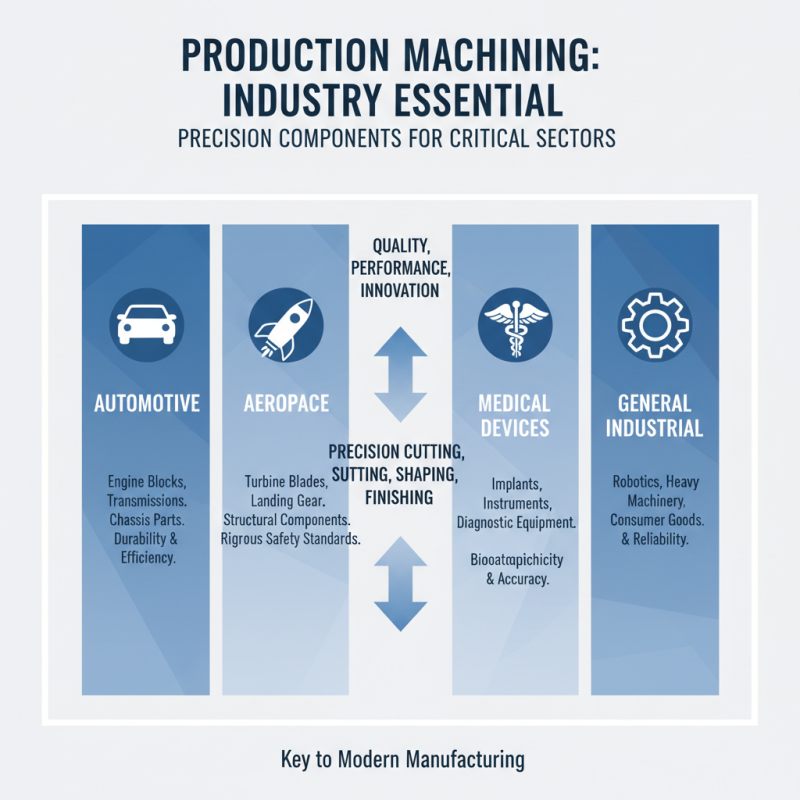
Production machining plays a vital role in various industries. It involves precise cutting, shaping, and finishing of materials. This process is crucial for producing intricate parts used in automobiles, aerospace, and medical devices. Each sector has specific standards and requirements for components. For instance, aerospace parts must meet rigorous safety regulations.
In automotive manufacturing, production machining creates engine components, drivetrain parts, and chassis elements. These pieces demand high precision to ensure safety and performance. In the medical field, production machining helps provide components like surgical instruments and implants. Such parts often require a sterile finish.
While the benefits are clear, challenges exist. For example, achieving consistency can be tough. Small errors in machining can lead to significant flaws in finished products. Maintaining quality control is a continuous task. Manufacturers must constantly adapt to new technologies to improve efficiency and precision. Balancing speed and quality often leads to difficult decisions.
Benefits and Challenges of Production Machining
Production machining offers numerous benefits alongside its unique challenges. One significant advantage is automation. This process often leads to higher efficiency and faster production rates. Precision is another key benefit. Machining produces parts with exact specifications. This is crucial in industries like aerospace or automotive, where safety is paramount. Reliable quality control is also a feature. Consistent monitoring ensures each piece meets standards, reducing waste.
However, challenges accompany these benefits. One major issue is the initial investment. Setting up production machining can require substantial capital. This might deter small companies. Skilled labor is also essential. Finding qualified machinists can be tough. Training new operators takes time and resources. Additionally, there's the challenge of keeping up with technology. The machinery is constantly evolving, which demands ongoing learning and adaptation.
Production machining also generates waste. Even with precision, some materials may not meet quality standards. This highlights the need for efficiency improvements. Reflecting on these challenges can lead to better strategies. Balancing benefits and obstacles is critical for success in production machining. Companies must navigate this complex landscape carefully.