What is Shell Mold Casting Parts and Their Benefits for Buyers?
In the world of manufacturing, Shell Mold Casting Parts stand out for their unique advantages. Renowned industry expert Dr. Emily Johnson states, “Shell mold casting offers precision and durability, which are essential for modern industries.” Her insight highlights the growing significance of these components across various applications.
Shell Mold Casting Parts are created using a fine sand and resin mixture. This method yields high-dimensional accuracy and a smooth surface finish. As a result, buyers receive components that require minimal post-processing. Industries ranging from automotive to aerospace benefit from these reliable products.
However, potential buyers should consider the initial cost and the need for specialized equipment. While the benefits are plentiful, the learning curve and investment can be daunting. Ultimately, understanding the value and challenges of Shell Mold Casting Parts can empower buyers to make informed decisions.
What is Shell Mold Casting? Definition and Overview of the Process
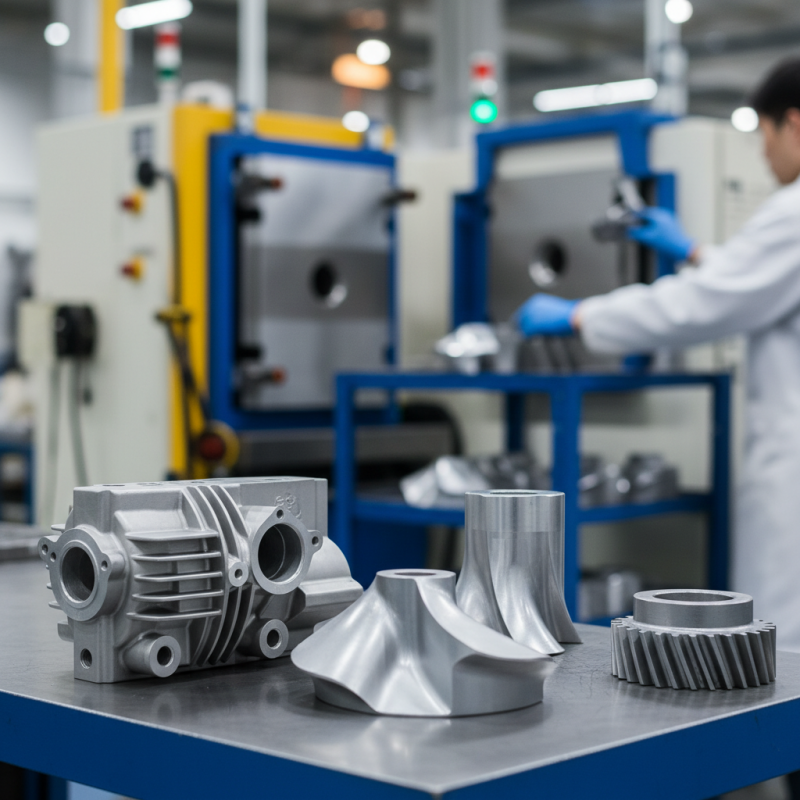
Shell mold casting is an innovative manufacturing process that uses a thin shell of sand and resin to create complex metal parts. The method begins by heating a mixture of fine sand and thermosetting resin. This mixture forms a shell around a heated pattern. Once hardened, the shell is assembled and filled with molten metal. This process produces parts with high dimensional accuracy and smooth finishes.
One notable benefit of shell mold casting is its ability to create intricate shapes. The thin shell allows for detailed features that traditional sand casting cannot achieve. This precision reduces the need for excessive machining, saving time and money. Moreover, the process minimizes defects, which is crucial in industries like aerospace and automotive.
However, buyers must consider certain limitations. The initial setup costs can be higher, and the production rate may vary. Investing in shell mold casting requires careful analysis of project demands. Balancing these factors is vital for successful implementation in manufacturing processes.
What is Shell Mold Casting Parts and Their Benefits for Buyers?
| Dimension | Description | Benefit |
| Material | High-quality sand and resin. | Provides better surface finish and dimensional accuracy. |
| Process Speed | Rapid mold creation and casting. | Reduces lead time for production. |
| Tolerance | Tight tolerances achievable. | Increases overall component quality. |
| Complex Shapes | Ability to produce intricate designs. | Provides design flexibility and innovation. |
| Finishing Options | Various surface finish options available. | Improves aesthetic and functional aspects. |
| Cost Efficiency | Lower waste and material costs. | Makes production more economical for buyers. |
Key Advantages of Shell Mold Casting for Precision Manufacturing
Shell mold casting is gaining traction for precision manufacturing. This method uses a thin shell of sand and resin to create molds. The result is high dimensional accuracy and smooth surface finishes. Buyers appreciate these features.
One key advantage is reduced lead times. Shell mold casting allows for quick production, benefiting projects with tight schedules. This rapid process doesn't compromise quality. Also, it accommodates various materials, including aluminum and iron. This versatility makes it appealing for different industries.
Tips: Pay attention to mold design. Even small flaws can affect the final product. Consider working with experienced mold makers. They can help refine designs for better outcomes.
Another benefit is lower waste. The process minimizes excess material, making it more sustainable. However, owners must evaluate tooling costs. These costs can offset savings from reduced waste. Careful analysis is crucial before choosing this method.
Comparison of Shell Mold Casting with Other Metal Casting Techniques
Shell mold casting is gaining attention for its unique benefits compared to other metal casting techniques. This method utilizes a thin shell of sand and resin, creating precise and intricate parts. As a result, it is favorable for producing complex shapes with excellent surface finishes. The process is particularly advantageous for short to medium production runs, offering repeatable quality.
In contrast, traditional sand casting involves heavier molds, which can lead to less detail. Investment casting, while accurate, often requires more time and cost for wax pattern manufacturing. Shell mold casting simplifies the process, reducing lead times. However, this technique may not be suitable for very large components, which could be a drawback.
Buyers should assess their specific needs when choosing a casting process. The distinct features of shell mold casting make it ideal for certain applications, though it might lack the versatility of other methods. Understanding these differences helps in making informed decisions that align with project goals.
Market Trends: Growth and Demand for Shell Mold Casting Parts
The shell mold casting market is experiencing notable growth driven by efficient production capabilities. This method offers higher precision compared to traditional sand casting. Many industries, including automotive and aerospace, are increasingly utilizing shell mold casting for complex shapes and tight tolerances. Buyers appreciate its ability to create intricate designs without the delays often associated with other processes.
Current trends show a surge in demand for lightweight materials. Shell mold casting allows for the use of various alloys that reduce overall weight without sacrificing strength. Environmental concerns also push manufacturers to seek efficient processes. This method is relatively clean, producing less waste. However, as demand rises, some questions arise about the sustainability of material sourcing.
Investments in technology have improved shell mold casting techniques. While the initial costs can be high, many find the long-term benefits outweigh these concerns. However, potential buyers must carefully assess their specific needs. They should consider not only the cost but also the quality and turnaround time. As industries evolve, so too must their manufacturing choices.
Growth of Shell Mold Casting Market (2018-2023)
Applications of Shell Mold Casting in Various Industries and Sectors
Shell mold casting has found its niche across various industries due to its versatility and precision. This method produces complex shapes with high accuracy, making it an ideal option for automotive and aerospace sectors. Components such as engine blocks and brackets often utilize shell mold techniques to ensure durability and reliability.
In the medical field, shell mold casting ensures the creation of intricate parts for surgical instruments. The precision required in these applications highlights the method's ability to meet strict quality standards. Furthermore, the electronics industry benefits from this casting process by producing lightweight and complex housing components that protect sensitive equipment.
Tips: When choosing shell mold casting, consider the material types available. Cast iron and aluminum offer different benefits. Always communicate specific needs with your supplier. It’s essential to review past projects for quality assurance. Keep in mind that not all designs may be suitable for this method. Flexibility in design can lead to better results.