What is a Spark Plug and How Does It Work?
A spark plug is an essential component of internal combustion engines. It plays a critical role in igniting the air-fuel mixture, enabling the engine to function effectively. Understanding how a spark plug works can enhance your knowledge of automotive mechanics. Spark plugs create a small electric spark that ignites fuel. This process occurs in the engine's cylinder, leading to combustion.
Over time, spark plugs can wear out or become fouled. This may lead to engine misfires, reduced fuel efficiency, or even stalling. Regular maintenance of spark plugs is vital for optimal engine performance. Ignition systems rely heavily on their reliability. Many car owners underestimate the importance of spark plugs.
By examining the mechanics of spark plugs, we uncover a world of precise engineering. Their design impacts how well an engine operates. Each spark plug type serves specific vehicles and purposes. Understanding these nuances can empower owners to make informed choices. Proper knowledge about spark plugs fosters better vehicle care.
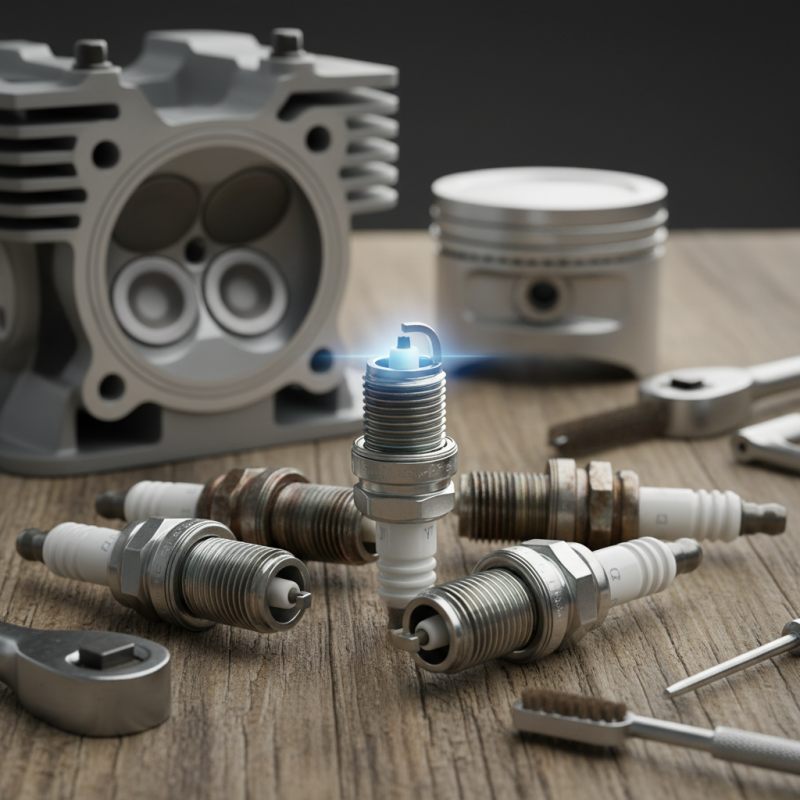
What is a Spark Plug? Definition and Importance in Internal Combustion Engines
A spark plug is a crucial component of internal combustion engines. It ignites the air-fuel mixture within the engine's cylinders. This ignition process generates the power needed to move the vehicle. Without a spark plug, the engine cannot start or run efficiently.
The importance of a spark plug extends beyond just ignition. It helps control the timing and efficiency of the combustion process. A well-functioning spark plug can improve fuel economy and reduce emissions. However, worn or damaged spark plugs can lead to misfires and poor performance. Regular maintenance is essential for optimal engine function.
While it seems straightforward, choosing the right spark plug is not always easy. Various factors can affect performance, including heat range and electrode design. Understanding these details can be challenging for many. A spark plug may seem small, but its role is vital in engine performance and longevity.
The Components of a Spark Plug: Anatomy of a Crucial Engine Part
The anatomy of a spark plug is critical for understanding its function in an engine. A spark plug consists of several key components: the insulator, electrode, metal shell, and terminal. The insulator, usually made of ceramic material, resists high temperatures and insulates the electrode from the metal shell. It helps create the spark needed for ignition. The electrode is the heart of the spark plug; it generates the spark that ignites the air-fuel mixture. Industry data indicates that a properly functioning spark plug can improve engine efficiency by up to 30%.
Interestingly, the metal shell is designed for durability. It connects the spark plug to the engine and dissipates heat. However, wear and tear can lead to misfiring, reduced performance, and increased emissions. Reports show that 60% of engines experience early spark plug failures due to inadequate maintenance. Ignition problems are often linked to worn electrodes, indicating the need for regular inspections.
Understanding these components allows mechanics and car owners to make informed decisions. Observing the condition of a spark plug can reveal much about engine health. Yet, many overlook these critical parts. Regular check-ups can prevent costly repairs. Investing time in spark plug maintenance often leads to better engine performance and reliability over time.
How Spark Plugs Ignite Air-Fuel Mixture: The Science of Combustion
Spark plugs play a crucial role in the engine's combustion process. They ignite the air-fuel mixture within the combustion chamber. When the engine's timing dictates, the spark plug generates a high-voltage spark. This brief yet intense spark sets off a rapid combustion reaction.
Understanding the mechanics of combustion reveals its complexity. The spark must be precise and reliable. If the spark occurs too late or too early, efficiency drops. A properly functioning spark plug ensures the air-fuel mixture ignites at the optimal moment. This leads to better power output and fuel efficiency. However, spark plugs can deteriorate over time.
Factors like heat, pressure, and deposits can affect their performance. Regular inspections are essential for maintaining engine health. A faulty spark plug may lead to misfires or poor acceleration. Recognizing these signs is vital. Inconsistent performance can often be traced back to spark plug issues. Thus, understanding their function is crucial for any vehicle owner.
What is a Spark Plug and How Does It Work?
| Dimension | Data |
| Type of Spark Plug | Standard, Iridium, Platinum |
| Common Applications | Gasoline Engines, Motorcycles, Lawn Equipment |
| Operating Temperature Range | -40°C to 1000°C (-40°F to 1832°F) |
| Voltage Rating | 12 - 45 kV |
| Ignition Time | 1 to 2 milliseconds |
| Air-Fuel Mixture Ratio | 14.7:1 (stoichiometric) |
| Lifespan | 30,000 - 100,000 miles |
| Failure Modes | Fouling, Overheating, Cracking |
Spark Plug Types and Their Applications: Choosing the Right One for Your Vehicle
Choosing the right spark plug is crucial for optimal engine performance. There are different types of spark plugs, each designed for specific applications. Standard copper spark plugs are a common choice due to their affordability and effective performance in most vehicles. They provide good service but may wear out quicker than other types.
On the other hand, iridium and platinum spark plugs last significantly longer. They offer better fuel efficiency and improved ignition. However, they can be more expensive. Selecting the right type depends on your vehicle’s requirements. Some vehicles may benefit from high-performance spark plugs, while others work well with more basic options.
Consider the engine type and driving conditions. Some drivers may need to replace spark plugs more often than others. It’s essential to consult your vehicle’s manual for specifications. Remember, using the wrong type might affect engine performance and fuel economy. Understanding these details can help in making a more informed decision.
Types of Spark Plugs and Their Applications
This chart illustrates the average lifespan of different types of spark plugs in miles. Choosing the right spark plug type for your vehicle can enhance performance and longevity.
Maintenance and Replacement: Signs of a Failing Spark Plug to Watch For
Spark plugs play a crucial role in engine performance. They ignite the air-fuel mixture, enabling your vehicle to run smoothly. However, like any component, spark plugs can fail. Recognizing the signs of a failing spark plug helps avoid costly repairs.
One common warning sign is engine misfiring. If your vehicle stutters during acceleration, a faulty spark plug might be the cause. Another symptom is reduced fuel efficiency. If you notice your fuel consumption increasing, it could indicate spark plug wear. Additionally, difficulty starting your engine can be a red flag. When the plugs wear out, the ignition process can become unreliable.
Other signs include a rough idling experience or a loss of power. If you feel uncertain about performance, it may be time to inspect your spark plugs. While inspecting them, look for damage or excessive wear.
If they appear corroded or covered in carbon deposits, replacing them could restore your engine's health. Regular maintenance is vital for optimal performance. Don't overlook these warning signs, as they can lead to bigger issues down the road.