Top Axis CNC Machine Features Buyers Need to Know?
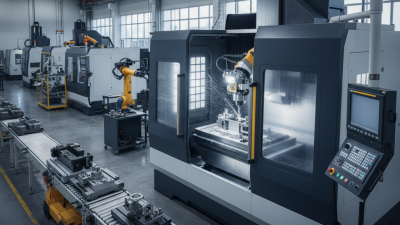
In the competitive landscape of manufacturing, understanding the features of an "axis CNC machine" is vital for buyers. According to a 2023 report by MarketsandMarkets, the CNC machine market is projected to reach $100 billion by 2026, indicating significant growth. This demand highlights the need for consumers to be well-versed in the essential features of these machines.
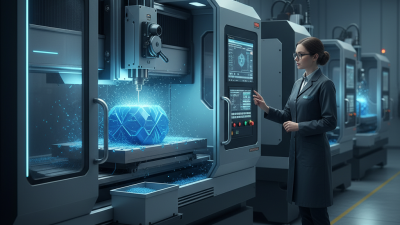
An axis CNC machine offers precision, efficiency, and flexibility in manufacturing processes. For example, a three-axis CNC machine can create intricate designs quickly, reducing production time significantly. However, buyers must recognize that not every machine meets their specific needs. Quality and capabilities can vary dramatically between different manufacturers, making it crucial to do thorough research.
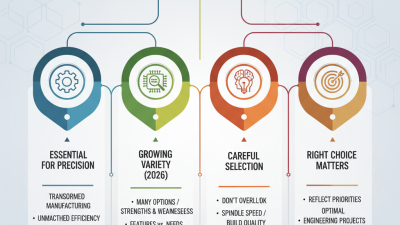
Understanding features like spindle speed, tool change time, and software compatibility can make a difference in output quality. While it may seem overwhelming, evaluating these aspects is essential. Reflecting on industry standards ensures buyers choose the right equipment. Knowledge empowers informed decisions, reflecting the essence of successful manufacturing.
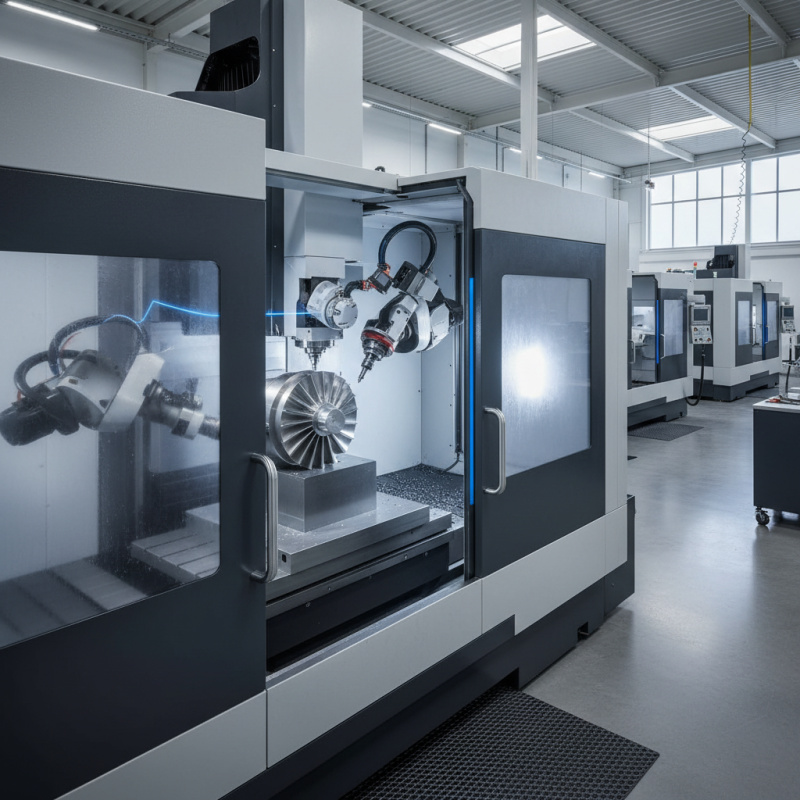
Key Specifications of Axis CNC Machines to Consider
When considering the purchase of an Axis CNC machine, understanding key specifications is crucial. These machines vary widely in features that can impact productivity and precision. One essential specification is the number of axes. Most standard machines come with three axes, but some offer four or even five. More axes allow for greater flexibility in operations, which can be beneficial for complex projects.
Another critical aspect to consider is the machine's speed and feed rate. These metrics determine how quickly the CNC machine can operate without sacrificing quality. Higher speeds improve efficiency, but they may also lead to quicker wear and tear. Additionally, evaluating the motor type—stepper or servo—can influence accuracy and responsiveness. Servo motors are often preferred for intricate designs due to their precision.
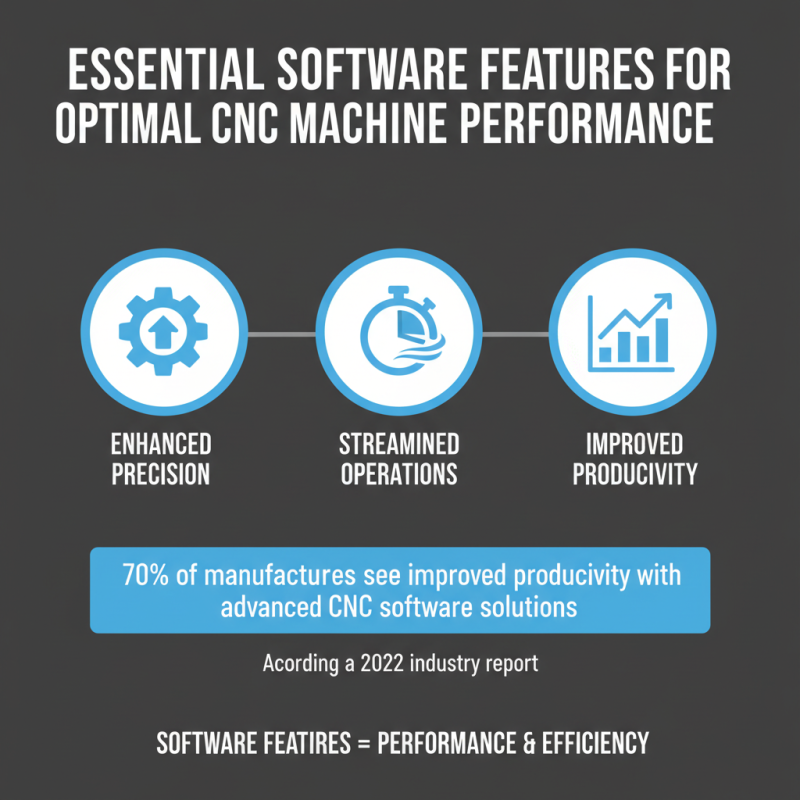
It’s also important to look at the control system. User-friendly interfaces can greatly affect the ease of programming and operation. Some machines offer advanced software capabilities, providing simulations before actual machining. Despite these benefits, not all advanced features may be necessary for all users. Balancing functionality with your specific needs often involves trade-offs, requiring careful thought and planning. Understanding these specifications will help in making a well-informed decision.
Understanding the Different Types of Axis Configurations
Axis configurations are fundamental in CNC machining. Each axis determines the motion of the machine. The most common setups include 3-axis, 4-axis, and 5-axis configurations. According to the "CNC Machine Market Report," 3-axis machines dominate about 70% of the market. This configuration allows precise cutting along the X, Y, and Z axes. The simplicity often suits small-scale operations and basic machining tasks.
In contrast, 4-axis machines introduce rotation. This additional axis allows parts to be machined from more angles, increasing versatility. Reports indicate a growing trend toward 4-axis systems, with a 15% increase in adoption over the past three years. However, operators must adjust to a steeper learning curve. The complexity can lead to mistakes, affecting product quality.
Moving to 5-axis machines, they offer the most flexibility. These machines can work on multiple faces simultaneously. While this reduces production time, they often come with a higher price tag and maintenance costs. Data from "The Manufacturing Institute" shows that 25% of manufacturers recognize the need for 5-axis technology. Yet, many still hesitate, fearing operational challenges. Understanding these configurations is essential for making informed purchasing decisions.
Top Axis CNC Machine Features Buyers Need to Know
Factors Influencing the Cost of Axis CNC Machines
When considering the purchase of an axis CNC machine, several factors significantly influence its cost. The first major factor is the machine's size and capabilities. Larger machines often come with a higher price tag due to their enhanced functions and the materials used in their construction. Additionally, the complexity of the CNC system itself plays a crucial role. More advanced systems that offer greater precision and speed tend to be more expensive.
Another aspect to think about is the brand and manufacturing origin. Machines from well-known manufacturers typically cost more due to their established reliability and customer support. However, this does not always guarantee better performance. Evaluating the machine’s features critically is essential. Some machines may offer advanced functionalities that are not necessary for all applications, leading to wasted investment.
Maintenance and operating costs must also be considered. Machines that require specialized maintenance or have high operating costs can quickly escalate the total expenditure. Buyers should reflect on their needs and the potential long-term costs of ownership. Choosing a machine solely based on initial price may lead to regrets down the line. Understanding the complete financial picture is crucial before making a decision.