Top 10 Benefits of Forklift Collision Detection Systems?
In modern warehouses, safety is a top priority. A Forklift Collision Detection System significantly enhances this aspect. These systems are engineered to minimize accidents, ensuring a safer work environment. They utilize advanced sensors to detect potential collisions. By alerting operators in real-time, these systems help prevent costly accidents.
The integration of a Forklift Collision Detection System can lead to improved productivity. When operators feel safer, they can focus more on their tasks. With fewer accidents, there is less downtime due to injuries or damage. However, implementing such systems requires initial investment and training. Some companies may hesitate, thinking the costs outweigh the benefits.
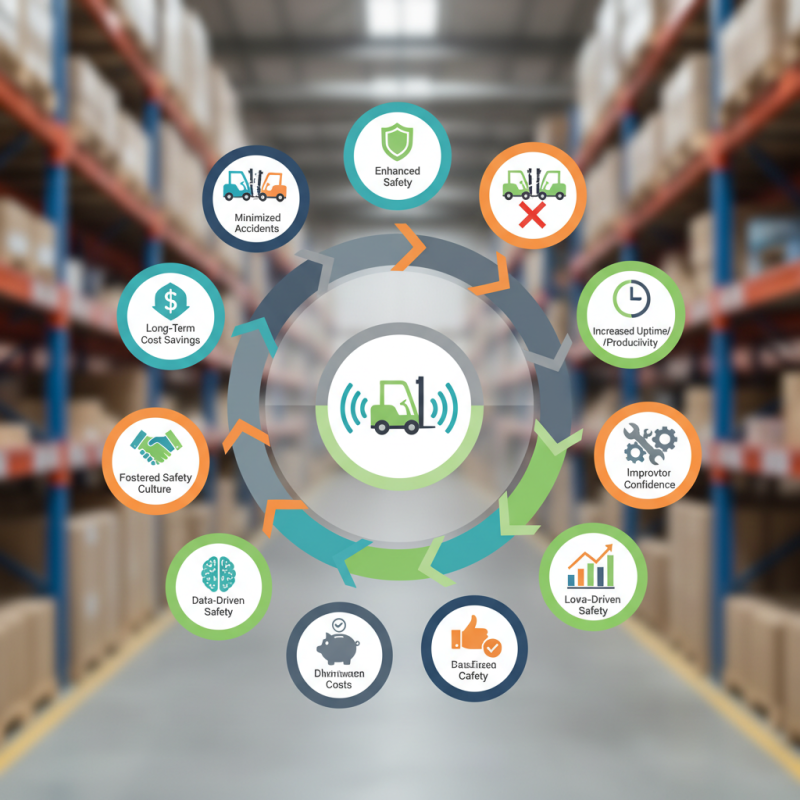
Yet, the long-term advantages often prove otherwise. Data shows that workplaces with these systems report fewer incidents and lower insurance costs. Additionally, employees appreciate the commitment to safety. This fosters a culture of care and diligence. In conclusion, the benefits of a Forklift Collision Detection System extend beyond just safety. They contribute to the overall efficiency and morale within the workplace.
Overview of Forklift Collision Detection Systems
Forklift collision detection systems are essential in modern warehouses and industrial settings. These systems use a combination of sensors and cameras to monitor the environment around a forklift. By detecting potential hazards, they help prevent accidents and injuries. The technology can recognize objects, workers, and other machinery, providing real-time alerts to operators.
However, the implementation of these systems requires proper training and understanding. Operators must comprehend the limitations of the technology. They should not solely rely on the sensors but maintain situational awareness. Sometimes, false alarms can occur due to environmental factors or sensor limitations. It’s crucial to address these issues to ensure safety and efficiency.
Furthermore, the data collected by collision detection systems can be analyzed to improve safety protocols. Analyzing patterns can highlight areas that need improvement. This ongoing assessment encourages a culture of safety in the workplace. By fostering open communication about the system’s performance, companies can better protect their employees and assets.
Improved Workplace Safety and Reduced Accidents
In busy warehouses and construction sites, safety must come first. Forklift collision detection systems significantly enhance workplace safety. These systems monitor the environment continuously. They detect potential hazards before they escalate. For instance, if a pedestrian enters a forklift's path, the system triggers alerts, preventing accidents. This proactive approach reduces injury rates and improves employee confidence.
Moreover, the implementation of these systems encourages a culture of safety. Employees become more aware of their surroundings. They learn to respect equipment and fellow workers. Regular training based on real-life scenarios can reinforce these behaviors. However, it's essential to note that technology alone cannot ensure safety. Human factors play a crucial role. Training should address communication issues among team members, emphasizing the need for vigilance. An effective collision detection system can help, but employees ultimately shape the safety culture.
Top 10 Benefits of Forklift Collision Detection Systems
Enhanced Operational Efficiency and Productivity
Forklift collision detection systems can significantly boost operational efficiency and productivity in warehouses. These systems utilize advanced sensors and technology to monitor the environment in real-time. They provide immediate alerts to prevent potential collisions between forklifts and obstacles. This proactive approach keeps workers safe and reduces equipment damage.
When incidents do occur, the system logs vital data. This information helps identify recurring problems or blind spots. By analyzing this data, operational strategies can be improved. Staff can be retrained in high-risk areas to enhance safety awareness. Furthermore, reducing collisions means less downtime for equipment. Workflows can run more smoothly and efficiently.
However, reliance on technology is not a complete solution. Staff must remain vigilant and trained to interpret system notifications correctly. Overconfidence in alerts can breed complacency. Regular reviews of system effectiveness are crucial. Ensuring that all employees understand their role in maintaining safety is fundamental to success.
Cost Savings from Reduced Damage and Liability Claims
Implementing forklift collision detection systems can lead to significant cost savings. A report from the National Safety Council shows that workplace accidents involving forklifts can cost companies an average of $150,000 per incident. By reducing damage to equipment and infrastructure, businesses can save on repairs and maintenance. Moreover, lower accident rates mean fewer liability claims. This directly affects insurance premiums, which can drop by as much as 15% when safety measures are enhanced.
Investing in technology doesn’t just prevent accidents; it fosters a culture of safety. Engaging employees in safety training can reduce error rates further. A study by the Occupational Safety and Health Administration (OSHA) revealed that proper training reduced accidents by 75%. However, many companies overlook the importance of regular safety assessments. Keeping equipment updated and sensors calibrated is essential. Neglecting these practices can lead to increased hazards.
Tip: Schedule regular training sessions for staff on new technologies. Frequent updates keep everyone informed and alert. Choose simple solutions that might seem small but make a big impact. A proper safety culture cannot stand on technology alone; human factors are key. Consistently analyze incident reports to identify patterns. Remember, proactive measures can save costs and lives.
Integration with Other Warehouse Management Technologies
The integration of forklift collision detection systems with warehouse management technologies is increasingly important. These systems enhance safety and efficiency in fast-paced environments. By combining data from various sources, they provide a clearer picture of operations. For instance, when forklifts receive real-time alerts about nearby obstacles, operators can react promptly. This immediate feedback decreases the likelihood of accidents.
Simulation can show gaps in current safety measures. A warehouse might have a collision detection system, yet still face incidents due to poor communication with inventory management software. When these technologies work together, alerts can trigger automatic responses. This might involve slowing down machinery or rerouting fork trucks. Such responsiveness is crucial in busy operations.
Challenges remain in fully harnessing this integration. Many warehouses lack the necessary infrastructure to support advanced systems. Moreover, operators need training to interpret alerts effectively. Balancing technology with human expertise is key. The combination of human and machine insights offers the potential for safer, more productive workplaces.
Top 10 Benefits of Forklift Collision Detection Systems - Integration with Other Warehouse Management Technologies
| Benefit | Description | Integration Level | Impact on Safety |
| Enhanced Safety | Reduces the likelihood of collisions in the warehouse. | High | Significant improvement in operational safety. |
| Real-time Alerts | Provides immediate feedback to operators about potential collisions. | Medium | Promotes proactive safety measures. |
| Increased Productivity | Allows for faster operations with reduced hesitation. | High | Boosts efficiency without compromising safety. |
| Data Analytics | Collects collision data for future analysis and training. | High | Enhances understanding of operational risks. |
| Integration with WMS | Seamlessly integrates with warehouse management systems. | Very High | Fosters a more cohesive operational strategy. |
| Training Enhancement | Improves training programs with real collision data. | Medium | Supports learning from past mistakes. |
| Cost Reduction | Lowers costs related to accidents and damages. | High | Directly affects the bottom line positively. |
| Customizable Alerts | Allows customization of alerts based on operational needs. | Medium | Directly tailored safety interventions. |
| Improved Trust | Builds trust among employees regarding safety measures. | Low | Encourages a safety-oriented culture. |
| Regulatory Compliance | Helps maintain compliance with safety regulations. | High | Reduces legal risks associated with workplace safety. |