Top 10 CNC Cutting Techniques Every Buyer Should Know?
In the world of manufacturing, CNC cutting techniques play a pivotal role. These methods are essential for precision and efficiency. Understanding these techniques can greatly enhance the quality of your projects. Each technique comes with its own unique advantages, making it crucial for buyers to educate themselves.
CNC cutting is not just about speed; it's about accuracy and versatility. From laser cutting to water jet cutting, each method serves specific needs. Buyers often overlook the importance of choosing the right technique. This could lead to costly mistakes and delays.
It's vital to embrace both the strengths and limitations of these techniques. Not every method fits every project. Some may require more expertise and resources. By recognizing these nuances, buyers can make informed decisions. In the fast-paced manufacturing landscape, knowledge is power.
Overview of CNC Cutting Techniques in Manufacturing
CNC cutting techniques are essential in modern manufacturing. Understanding these methods can greatly impact production quality and efficiency. Various techniques exist, each with its advantages and specific applications. Some common processes include laser cutting, waterjet cutting, and plasma cutting. Each technique employs different principles to achieve precise cuts.
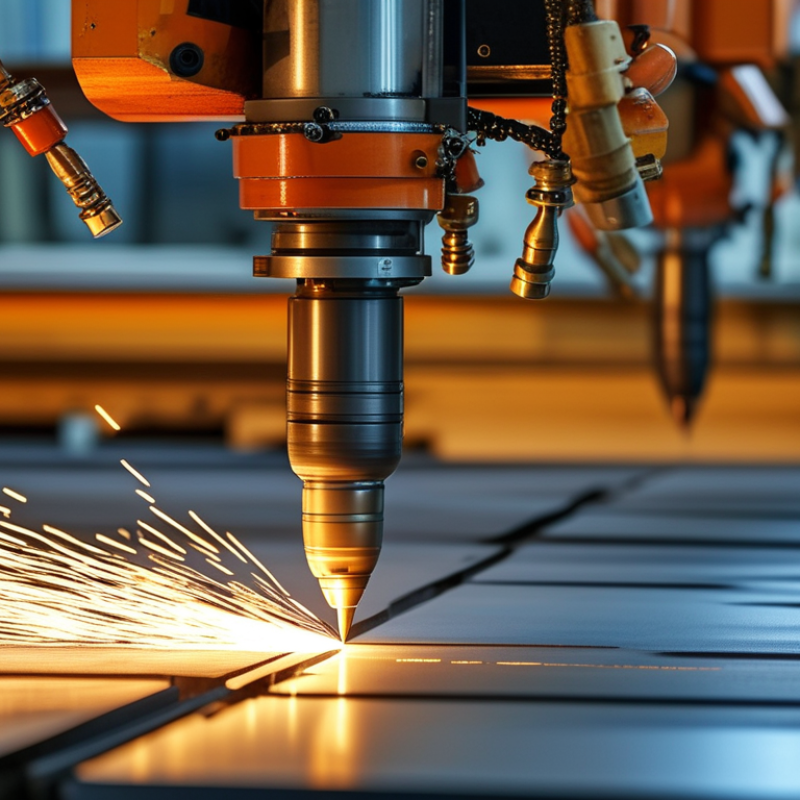
Laser cutting uses focused light to melt or vaporize materials, providing high accuracy and intricate designs. Waterjet cutting, on the other hand, utilizes high-pressure water mixed with abrasives. This technique is known for its versatility across multiple materials. Plasma cutting uses electrically conductive gas, ideal for thick metals. Despite their strengths, each method has limitations, such as speed and material compatibility.
Buyers must choose the right technique for their needs. Evaluating the specific project requirements is crucial. Factors like material type and desired precision play significant roles. Many buyers overlook the importance of choosing the right machine. Some may find themselves underwhelmed by a technique after purchase. This highlights the need for thorough research and expert advice. Making informed choices ensures better outcomes in manufacturing.
Understanding the Basics of CNC Cutting Processes
CNC cutting processes are crucial in modern manufacturing. Buyers should familiarize themselves with these basic techniques. According to a report by the International Society for Automation, CNC machining accounts for over 25% of all manufacturing processes in advanced economies. This highlights its significance and widespread application.
Understanding the basics can be challenging. Common techniques include plasma cutting, laser cutting, and waterjet cutting. Each method serves different purposes and offers distinct advantages. For instance, plasma cutting is efficient for thick metals, while laser cutting excels in precision. A 2022 survey by Industry Week noted that 60% of engineers consider precision as the top priority when selecting cutting methods. This indicates a shift towards techniques that enhance accuracy.
Buyers must also recognize limitations. Not every technique is suitable for every material. Waterjet cutting, for example, cannot cut through all types of metals effectively. Users often report issues with speed and material wastage, prompting considerations for better techniques. Engaging with industry experts can help buyers make informed decisions, reducing the likelihood of costly mistakes. Understanding these nuances enables better strategy formulation in CNC cutting.
The Advantages of Different CNC Cutting Methods
CNC cutting methods offer distinct advantages that can shape your production choices.
Laser cutting stands out for its precision and speed. It works exceptionally well on thin materials, resulting in clean edges without much post-processing required.
Plasma cutting, on the other hand, is favorable for its ability to handle thicker materials. However, it may leave rougher edges, requiring more finishing work.
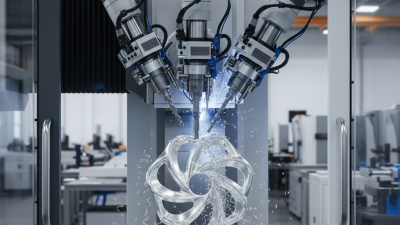
Waterjet cutting is another effective method that uses high-pressure water to slice through materials. Its versatility makes it a go-to choice for various substrates, including metals and glass.
Unlike other methods, it does not produce heat-affected zones, eliminating material distortion. Yet, this technique can be slower compared to others, pushing project timelines.
Understanding these nuances empowers buyers to align their needs with the most suitable cutting technique. Machining services may often overlook the importance of thickness, material type, and desired finish.
The choice of technique can greatly affect not just the quality but also the overall cost of production. Each method has inherent trade-offs, and reflecting on these helps buyers make informed decisions that fit their specific requirements.
Key Factors to Consider When Choosing a CNC Cutting Technique
When selecting a CNC cutting technique, understanding the materials is crucial. Different metals, plastics, and woods respond uniquely to various methods. For example, intricate designs require precision. Techniques like laser cutting excel in delivering fine detail, while plasma cutting is more suited for thicker materials. Knowing your project's demands can simplify your choice.
Material thickness also plays a significant role. Some techniques are more efficient for specific thicknesses. Waterjet cutting, for instance, works well with thick materials, yet it may not provide the sharp edges required for thinner ones. Additionally, think about the heat affected zone. Cutting methods produce different levels of heat, affecting the final product's integrity.
Lastly, consider the production volume. High-volume projects may benefit from automated processes, while low-volume jobs can prioritize flexibility. Balancing these factors ensures a suitable choice tailored to your project's needs. Reflect on your priorities and adjust your approach accordingly to achieve the best results.
Maintenance and Safety Tips for CNC Cutting Operations
CNC cutting operations require attention to maintenance and safety. Regular checks on machinery can prevent accidents and improve performance. The National Institute for Occupational Safety and Health (NIOSH) reports that proper machine upkeep dramatically reduces downtime and injury rates. In fact, machines that undergo routine maintenance see a 20% increase in operational efficiency.
Safety protocols are crucial in CNC environments. Nearly 30% of workplace injuries stem from machinery misuse. Operators should always wear appropriate personal protective equipment (PPE), like gloves and goggles. Clear communication is essential. Ensure that all team members understand operational guidelines. This reduces misunderstandings and fosters a safer workplace.
Training is just as important. An American Society for Quality report states that well-trained operators are 40% less likely to cause accidents. Regularly scheduled training sessions build a safety-first culture. Also, encourage operators to report equipment issues right away. Neglecting small problems can lead to larger, costly failures. Reflecting on these practices can enhance both safety and productivity in CNC operations.