2026 Top CNC Machining Trends You Need to Know?
The landscape of CNC machining is evolving rapidly. According to a recent market report by Allied Market Research, the CNC machining industry is projected to reach $100 billion by 2027. This remarkable growth highlights the increasing reliance on advanced manufacturing technologies. In 2026, trends will shape the future of CNC machining in significant ways.
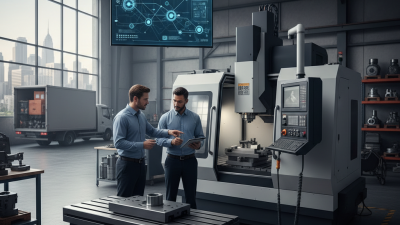
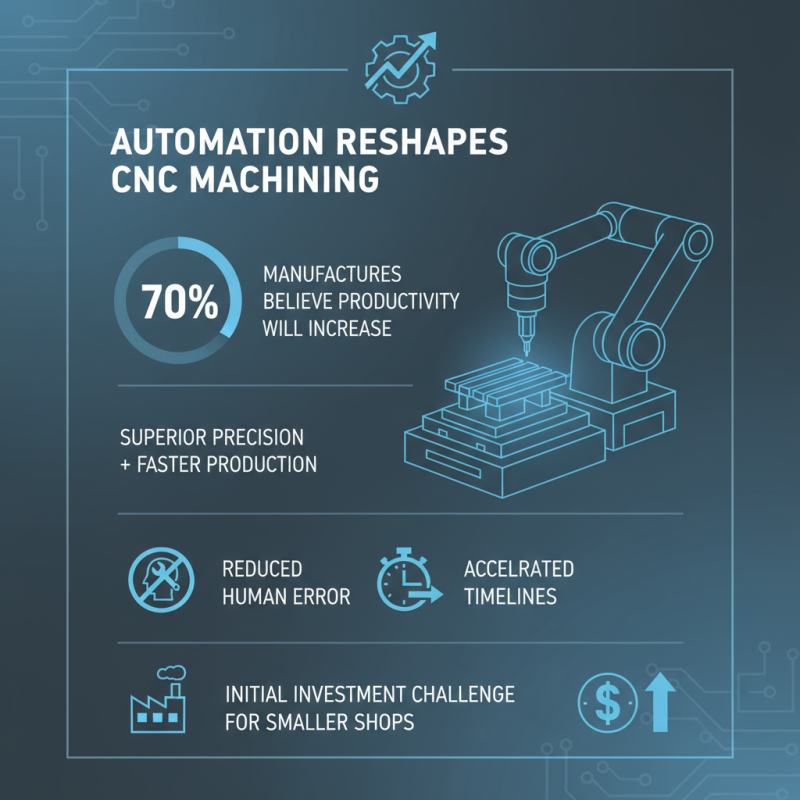
Automation will continue to dominate CNC machining practices. Reports indicate that automation can enhance production speed by up to 40%. However, some companies may face challenges when integrating new technologies into existing systems. Additionally, sustainability is becoming a key focus. Many manufacturers are re-evaluating their processes to reduce waste and energy consumption. This shift requires a commitment to change that not every organization can embrace easily.
Emerging technologies like artificial intelligence and IoT will redefine CNC machining. While these advancements promise efficiency, they also call for upskilling the workforce. Many companies may struggle to find employees with the necessary technical skills. This gap presents an opportunity for improvement in training programs. As the CNC machining sector continues to innovate, stakeholders must adapt or risk being left behind.
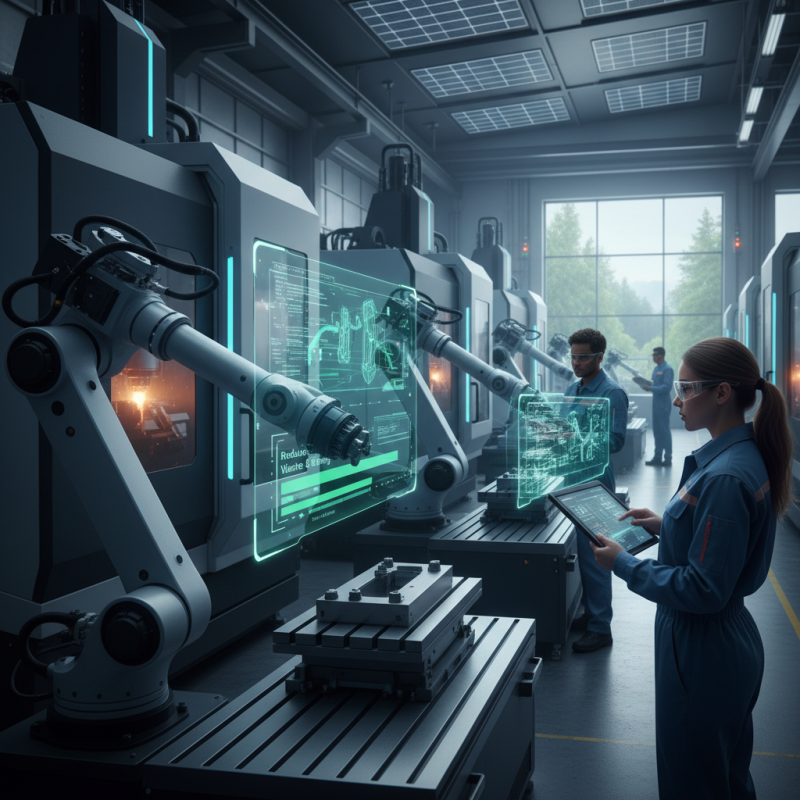
Emerging Technologies in CNC Machining for 2026
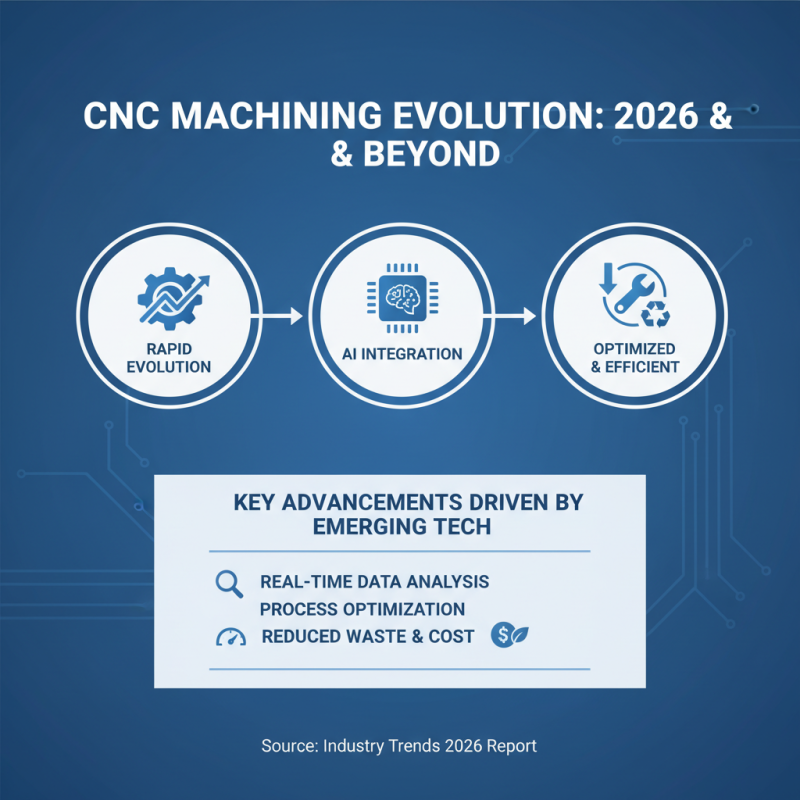
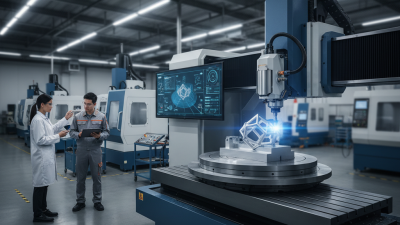
As we approach 2026, CNC machining continues to evolve rapidly. Emerging technologies are driving significant advancements in this field. One notable trend is the integration of artificial intelligence into machining processes. AI can analyze data in real-time, optimizing operations and reducing waste.
Additive manufacturing is another technology gaining traction. It allows for the creation of complex parts that traditional methods can't produce. This technique can minimize material usage and cut down on production time. However, it requires skilled personnel to manage the machinery effectively.
Another intriguing area is the use of IoT in CNC machinery. Smart machines can communicate with each other, enhancing efficiency. However, the reliance on connectivity raises concerns about cybersecurity. Companies must ensure their systems are safeguarded against attacks. Balancing innovation with security will be key as we navigate these advancements in CNC machining.
Sustainability Practices in CNC Machining for 2026
Sustainability is becoming crucial in CNC machining. Many manufacturers are adopting eco-friendly practices. They aim to reduce waste and energy consumption. Recycling materials is one way to minimize environmental impact. Machines can be fitted with software to optimize cutting plans. This reduces excess material usage significantly.
Another trend is the shift towards green energy. Solar-powered CNC machines are on the rise. They help lower carbon footprints. However, implementing these technologies can be costly. Companies must balance investment with potential savings. Some may hesitate to adopt changes without immediate returns.
Lastly, water conservation techniques are gaining attention. CNC machining often uses fluids for cooling. Developing systems that recycle or reduce water usage is beneficial. Yet, ensuring efficiency and machine performance can be challenging. This is an area where improvements are needed. Manufacturers must contemplate their sustainability strategies to thrive in the future.
Customization and Personalization in CNC Machining Solutions
Customization and personalization are reshaping the landscape of CNC machining. Clients today demand products that reflect their unique requirements. This trend is evident in diverse industries, from aerospace to healthcare. More businesses are investing in flexible CNC systems. These systems can switch between designs without significant downtime. They enable manufacturers to respond quickly to changing customer needs.
However, personalizing CNC solutions isn't without challenges. The complexity of tailored designs can lead to longer lead times. It takes time to adapt designs into efficient machining processes. Additionally, small errors in customization may lead to larger issues during production. Companies must strike a balance between speed and quality. Finding skilled operators who can precisely execute custom designs is crucial.
The demand for unique products pushes innovation in CNC technology. Advanced software now aids in creating customized designs effortlessly. Despite these advancements, there remains a steep learning curve for some firms. Understanding customer preferences is key. Yet, not all manufacturers are ready to adapt their operations accordingly. Continuous improvement is necessary as the market evolves.
2026 Top CNC Machining Trends You Need to Know
| Trend |
Description |
Impact |
Examples |
| Customization |
Tailoring CNC machining processes to meet specific customer requirements. |
Increases customer satisfaction and loyalty. |
Bespoke parts for automotive and aerospace industries. |
| Personalization |
Creating unique products for individuals based on their preferences. |
Enhances brand differentiation and market reach. |
Customized consumer electronics and home decor items. |
| Automation |
Integrating automated systems into CNC machining for efficiency. |
Reduces labor costs and increases production speed. |
Automated CNC lathes and milling machines. |
| AI Integration |
Using artificial intelligence to optimize machining processes. |
Improves precision and reduces waste. |
AI-driven toolpath optimization simulations. |
| Sustainability |
Focus on eco-friendly materials and waste reduction. |
Enhances corporate responsibility and brand image. |
Use of recycled materials and renewable resources. |
Future Workforce Skills Needed for Advanced CNC Machining
As the CNC machining industry evolves, the demand for skilled workers is growing. Future employees must master advanced technology. Familiarity with software tools is essential. Workers also need to understand automation systems. This requires a shift in training methods. Traditional skills may not be enough anymore.
Moreover, soft skills must not be overlooked. Effective communication and teamwork are vital in modern machining environments. Creative problem-solving can set a candidate apart. However, these skills are often neglected in technical training. Companies might focus too much on machines and forget about people.
Education systems should adapt to these needs. Integrating hands-on experience with technical knowledge is crucial. Apprenticeships and real-world projects prepare students better. The challenge lies in creating programs that reflect industry needs. Addressing this gap is essential for a thriving workforce in 2026 and beyond.