Top Industrial 3D Printing Solutions for Global Buyers?
The industrial 3D printing sector is experiencing remarkable growth. According to a report from Wohlers Associates, the global market for 3D printing reached $13.8 billion in 2021 and is projected to surpass $34 billion by 2026. This rapid evolution prompts buyers to seek the best solutions available. Industrial 3D printing is not just a trend; it’s reshaping manufacturing processes across various industries.
James McGowan, a renowned expert in industrial 3D printing, emphasizes, “The future of production lies in additive manufacturing.” This highlights the shift from traditional methods to innovative 3D printing technologies. Many companies are recognizing the benefits of customization and efficiency that 3D printing offers.
However, challenges remain. Technical limitations, material availability, and costs can hinder implementation. Buyers must be cautious when identifying reliable solutions. Selecting the right industrial 3D printing technology is crucial for maximizing benefits and minimizing risks. Evaluating providers with a robust track record ensures a secure investment in this evolving landscape.
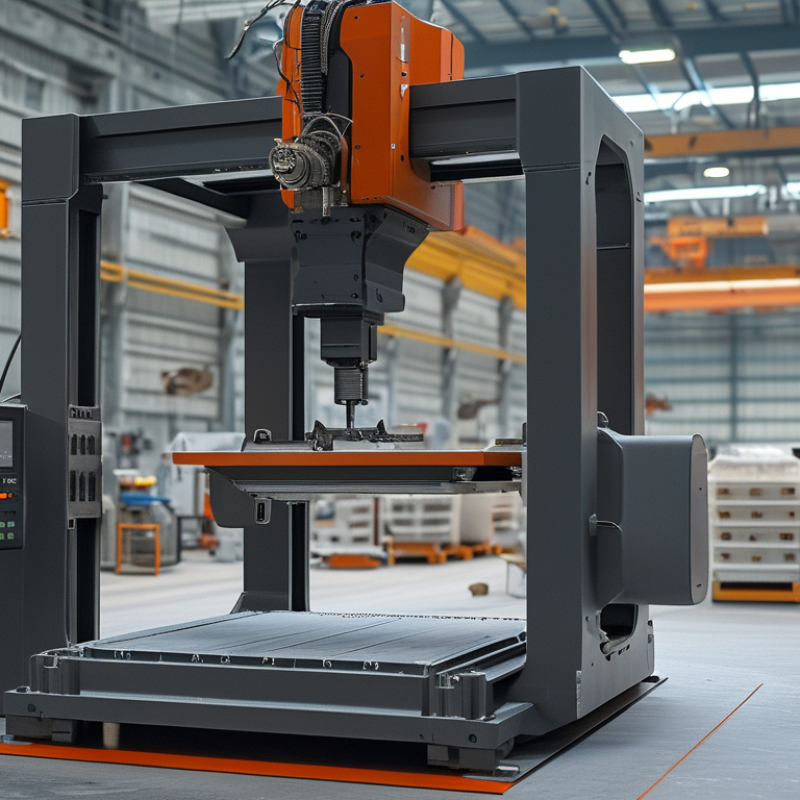
Overview of Industrial 3D Printing Technologies and Their Applications
Industrial 3D printing has evolved significantly, offering a range of advanced technologies and applications. A recent report by SmarTech Analysis indicates that the market for industrial 3D printing is expected to surpass $25 billion by 2026, driven by increasing demand across various sectors. Technologies such as selective laser sintering (SLS) and fused deposition modeling (FDM) are now commonplace in industries like aerospace, automotive, and healthcare.
These technologies enable companies to create complex geometries that traditional manufacturing cannot achieve. For example, in aerospace, companies use 3D printing to produce lightweight components, reducing fuel consumption and cost. However, challenges remain. Some businesses still grapple with post-processing requirements and material limitations, which can hinder widespread adoption.
Another application is in custom medical devices. 3D printing allows for patient-specific solutions, enhancing the effectiveness of treatment. Yet, regulatory hurdles often slow down innovations in this field. The ongoing evolution of materials and methodologies indicates that while progress is rapid, the journey towards full integration in all sectors is still in its early stages.
Top Industrial 3D Printing Technologies and Their Applications
Key Considerations for Choosing 3D Printing Solutions
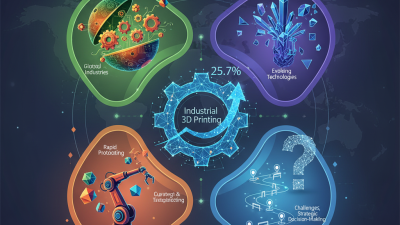
Choosing the right 3D printing solution is crucial for industrial applications. Buyers often face a daunting array of options. Recent reports show that the global 3D printing market is projected to grow at a compound annual growth rate of 25.76% from 2021 to 2028. This surge reflects the increasing need for customization and rapid prototyping in various sectors.
When evaluating different 3D printing solutions, buyers must consider factors like technology type, material compatibility, and production speed. For example, additive manufacturing can entail either FDM (Fused Deposition Modeling) or SLS (Selective Laser Sintering) processes. Each method has its strengths and limitations. SLS can produce complex geometries but may require post-processing. In contrast, FDM is often more accessible but may lack the strength for industrial use.
Moreover, support and service from suppliers are essential. A study by Deloitte found that 40% of companies reported challenges with technical support when implementing 3D printing technologies. This indicates a need for suppliers who not only provide equipment but also ongoing training and troubleshooting. Selecting a solution that offers robust support can significantly impact successful integration into existing workflows.
Top Global Manufacturers of Industrial 3D Printers
When it comes to industrial 3D printing, the market is vibrant and continuously evolving. Leading manufacturers invest heavily in research and development. This results in innovative technologies that cater to diverse industries. The expertise of these manufacturers is reflected in their ability to produce high-quality machines. They focus on speed, precision, and material versatility. Buyers seek solutions that meet specific operational needs.
Consider the advancements in materials. Some printers can now work with metals, plastics, and ceramics. The range of applications has expanded, from aerospace components to medical devices. However, potential buyers must evaluate their needs carefully. Not every printer suits every application. Understanding the unique requirements of various sectors is crucial for optimal use.
Another aspect to ponder is the integration of software. Advanced printers often come with proprietary software that enhances the design process. This integration can streamline workflows, but it may also require additional training. Companies must weigh the benefits of new technology against the learning curve for their teams. Adopting new solutions can lead to significant gains, but careful planning is essential for successful implementation.
Comparative Analysis of Cost and Efficiency in 3D Printing
In the realm of industrial 3D printing, cost and efficiency are critical for buyers. Organizations seek solutions that maximize productivity while minimizing expenses. High-quality materials and state-of-the-art technology may drive initial costs up, yet they can lead to significant savings over time. Understanding this trade-off is essential for strategizing production processes.
Efficiency in 3D printing often hinges on the technology used and the intended applications. For example, some techniques yield faster prototype iterations but may not suit final production parts. Exploring this compatibility is crucial. Buyers must evaluate if rapid production meets their long-term needs. Moreover, materials used significantly impact both cost and performance. Selecting durable, cost-effective materials can improve overall output and decrease waste.
Challenges also arise when companies rush to implement new solutions without thorough analysis. Investing in high-tech equipment does not guarantee success. Companies need to incorporate training and proper maintenance into their strategy. Failing to do so might result in underutilization of resources. Ultimately, businesses must carefully assess their specific requirements to choose the best 3D printing solution for their objectives.
Top Industrial 3D Printing Solutions for Global Buyers
| Solution Type |
Material Compatibility |
Layer Resolution (μm) |
Build Volume (mm³) |
Average Cost per Hour ($) |
Efficiency Rating (% time saved) |
| Fused Deposition Modeling |
PLA, ABS |
100 |
300 x 300 x 400 |
25 |
75 |
| Stereolithography |
Resin |
50 |
250 x 250 x 200 |
40 |
85 |
| Selective Laser Sintering |
Nylon, TPU |
60 |
500 x 500 x 600 |
60 |
90 |
| Digital Light Processing |
Resin |
30 |
200 x 200 x 250 |
35 |
80 |
| Metal Binder Jetting |
Metal Powder |
80 |
400 x 400 x 400 |
100 |
95 |
Emerging Trends in Industrial 3D Printing for Global Markets
Emerging trends in industrial 3D printing are reshaping global markets. The technology is advancing rapidly, with a projected compound annual growth rate (CAGR) of 23% from 2021 to 2028, according to a recent report by ResearchAndMarkets. This growth is driven by sectors such as aerospace and healthcare, where customization is crucial. For instance, 70% of manufacturers report using 3D printing for prototyping, demonstrating its value in reducing time and cost.
One notable trend is the rising utilization of sustainable materials. Many companies are exploring biodegradable filaments and recycled powders to minimize environmental impact. The shift towards sustainability presents challenges and opportunities, as the industry grapples with material limitations and quality assurance. A staggering 40% of industrial firms have highlighted material availability as a significant barrier to adoption.
Another emerging trend is the integration of artificial intelligence in 3D printing processes. AI can potentially optimize parameters like speed and energy consumption during printing. Yet, this technological blend requires careful consideration of ethical implications. As the industry adopts AI, there are concerns about data security and the potential for job displacement. These trends reveal the complexity of balancing innovation with responsible practices in the evolving industrial landscape.