Top 5 UV Flatbed Printers for Quality Printing Needs?
In the rapidly evolving printing industry, the UV Flatbed Printer stands out as a game-changer. Experts in the field, such as Mark Johnson, CEO of PrintTech Solutions, emphasize its significance. He once stated, "UV Flatbed Printers offer unmatched versatility and quality, only if you choose the right one." This insight underscores the importance of selecting a high-performing printer that meets specific needs.
UV Flatbed Printers are recognized for their ability to print on various materials. From wood to glass, the possibilities are vast. However, not all machines provide the same level of detail and durability. Many companies face challenges in perfecting their printing processes. Issues like ink adhesion and color accuracy often arise. Understanding these nuances is crucial for achieving top-quality results.
In our search for the best UV Flatbed Printers, we must consider several factors. These include speed, print resolution, and the types of media compatible. While some printers excel in certain areas, they may lag in others. It’s essential to weigh these pros and cons carefully. The right choice can elevate your printing capabilities significantly, but a hasty decision can lead to regret.
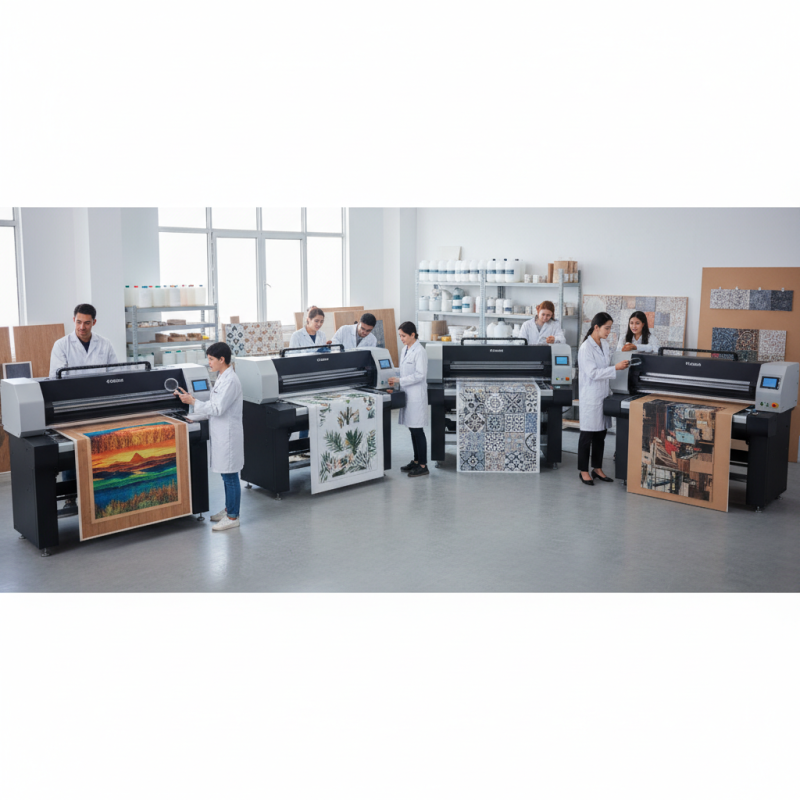
Overview of UV Flatbed Printers and Their Benefits
UV flatbed printers have revolutionized the printing industry, gaining traction for various applications. These printers use ultraviolet light to cure ink as it is printed. This technology allows for high-quality, vibrant colors on a wide range of materials, from wood to metal. A report from Smithers Pira showcases that the global UV printing market is projected to reach $5.2 billion by 2025, highlighting its growing relevance.
The benefits of UV flatbed printers are significant. Their ability to print on unconventional surfaces makes them versatile. They produce excellent detail and durability, essential for high-quality prints. UV inks are also more environmentally friendly than solvent inks, as they produce fewer volatile organic compounds (VOCs). According to research by Technavio, UV flatbed printers offer a longer lifespan and lower operating costs compared to traditional printers.
Tips for getting the most out of your UV flatbed printer include regular maintenance checks. Keep the print heads clean and ensure proper ink supply levels. Also, explore different substrates, as not all materials perform equally well. Experimentation can lead to valuable insights into texture and finish preferences, but results may vary. Always document your settings and outcomes to refine your practices.
Key Features to Consider When Choosing a UV Flatbed Printer
When choosing a UV flatbed printer, several key features are essential to consider. Print quality is paramount. According to a 2022 industry report, over 75% of users prioritize high-resolution output. A printer offering a minimum resolution of 1200 dpi often meets these expectations. The ability to print on diverse materials is also crucial. Many printers can handle substrates like wood, glass, and metal, enhancing project versatility.
Another important factor is speed. A survey revealed that 68% of businesses choose printers that can deliver faster turnaround times. Look for printers with capabilities to print at rates exceeding 100 square meters per hour. Durability of inks should not be overlooked either. UV inks are known for their resistance to scratching and fading, ensuring that prints last longer, which 80% of users find valuable.
Consider the printer's size and footprint. Large models may offer better performance but can require more space. Each print job comes with varying dimensions that may challenge the workspace. User communities often share their experiences regarding maintenance. Proper upkeep is essential but can be a burden without adequate support. These factors reflect the complexity of making an informed decision in a competitive market.
Top 5 UV Flatbed Printers for Quality Printing Needs
| Printer Model | Max Printing Size | Resolution | Print Speed | Key Features | Price Range |
| Model A | 49" x 98" | 1200 DPI | 500 sqft/hr | High-quality print heads, advanced ink management | $30,000 - $40,000 |
| Model B | 60" x 120" | 1440 DPI | 600 sqft/hr | UV LED curing technology, versatile media handling | $35,000 - $45,000 |
| Model C | 48" x 96" | 1080 DPI | 450 sqft/hr | Compatible with various substrates, user-friendly interface | $28,000 - $38,000 |
| Model D | 72" x 120" | 1200 DPI | 700 sqft/hr | Multi-layer printing, energy-efficient | $55,000 - $65,000 |
| Model E | 36" x 72" | 600 DPI | 300 sqft/hr | Compact design, affordable solution | $20,000 - $25,000 |
Review of the Top 5 UV Flatbed Printers for Quality Printing
UV flatbed printers have transformed the printing landscape, offering unparalleled versatility and quality. According to recent reports, the global UV printing market is projected to reach $6 billion by 2024. This growth stems from the demand for durable prints on various substrates. Businesses are increasingly investing in UV technology to meet client needs effectively.
When selecting a UV flatbed printer, users should pay attention to resolution and color accuracy. Many models achieve resolutions up to 1200 dpi, delivering sharp images. However, not all printers handle thick materials well. Some struggle with consistent ink adhesion on uneven surfaces. The ideal printer strikes a balance between durability and flexibility. This is critical for applications in signage, packaging, and promotional materials.
A comprehensive review is essential. Users must consider maintenance needs and operational costs. Not every printer is user-friendly, and some require extensive training. Reports indicate that up to 30% of users face challenges with their units, especially regarding software compatibility. Understanding these aspects can help businesses avoid potential pitfalls and enhance their printing capabilities.
Comparative Analysis of Performance and Cost of Selected Printers
When examining the performance and cost of UV flatbed printers, it's essential to consider various factors impacting quality. A report from the Freedonia Group highlights an increase in demand for such printers, with projected growth of 6.3% annually through 2025. This rise emphasizes the need for printers that deliver exceptional print quality while remaining cost-effective.
In a comparative analysis of UV flatbed printers, factors like speed, resolution, and material versatility are vital. Industry surveys indicate that users prioritize high resolution, often aiming for minimum 1200 dpi. This level ensures vibrant colors and detailed images. Moreover, while initial costs vary, maintenance and operational expenses play significant roles in overall cost efficiency. A study by InfoTrends suggests that operational costs can sometimes exceed initial investments, making long-term performance a critical consideration for buyers.
However, some listed printers struggle with consistency in color reproduction across different substrates. This inconsistency can lead to dissatisfaction in high-stakes printing jobs. It requires a deeper assessment of whether the benefits offset the shortcomings. Reliability becomes a focal point, particularly when evaluating vendors and their support services.
Maintenance and Support Tips for UV Flatbed Printer Users
Maintaining a UV flatbed printer is crucial for optimal performance. Regular cleaning is essential. Dust and ink residues can affect print quality. Use a soft cloth and appropriate cleaning solution to wipe the print head and surrounding areas. Scheduling daily maintenance routines can prevent larger issues down the line.
Check for software updates regularly. These updates can enhance printer capabilities and fix bugs. Ignoring software maintenance can lead to inconsistent printing. Monitor ink levels closely, as running on low ink can damage the print head.
User support is important. Joining online forums can provide valuable insights from other users. Sharing experiences often leads to helpful troubleshooting tips. Do not hesitate to reach out to professional technicians if issues arise. Waiting too long can lead to costly repairs. Prioritize a supportive network to foster continuous learning in UV printing technologies.
Top 5 UV Flatbed Printers - Quality Printing Needs