What is a Water Spray Food Sterilizer Machine and Its Benefits?
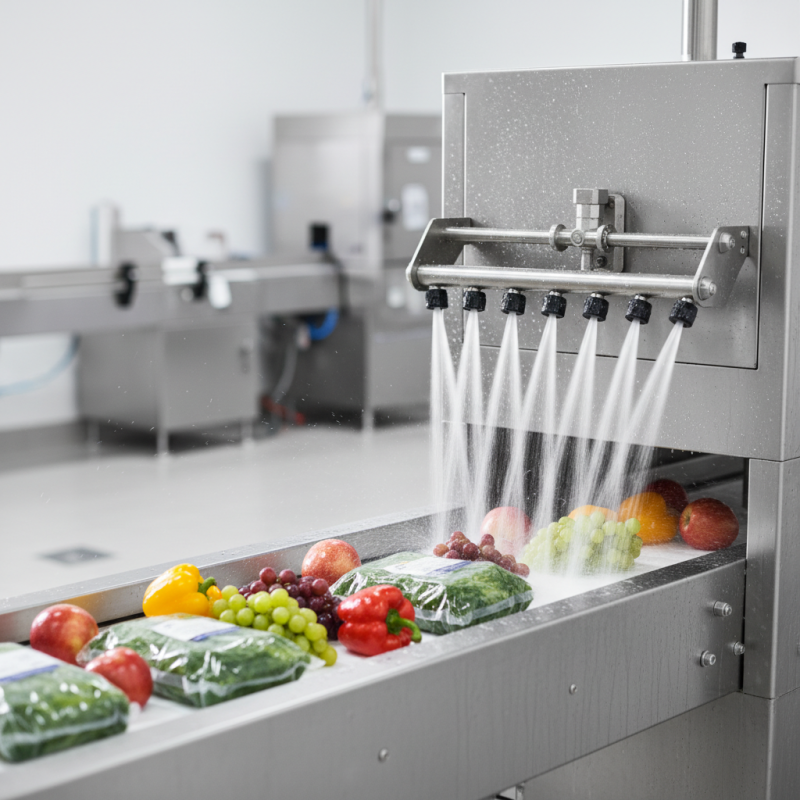
In today's food industry, hygiene is paramount. The Water Spray Food Sterilizer Machine is gaining attention for its effectiveness in ensuring food safety. This innovative device uses high-pressure water sprays to eliminate harmful bacteria and contaminants from food surfaces.
Consumers are increasingly concerned about foodborne illnesses. The Water Spray Food Sterilizer Machine addresses these fears, offering a reliable solution. Its design allows for thorough cleaning without harsh chemicals, making it a sustainable choice.
Yet, some may question its efficiency. Are all food types equally treated? Can it reach all nooks and crannies? These are valid concerns. While the machine offers significant benefits, understanding its limitations is crucial. The balance between innovation and reliability remains a key focus in food safety discussions.
Understanding Water Spray Food Sterilizer Machines
Water spray food sterilizer machines are innovative devices designed to enhance food safety. They utilize high-pressure water jets to eliminate bacteria, pesticides, and other contaminants from food surfaces. This method effectively makes food safer for consumption without the use of harsh chemicals. Such machines are particularly beneficial in large-scale food processing environments. They ensure consistent and thorough cleaning, which is crucial for maintaining hygiene.
Understanding the operation of these sterilizers is vital. The machines typically feature adjustable spray intensity and coverage, allowing users to customize the sterilization process. This flexibility is important, as different foods require different treatment levels. Some operators report inconsistencies in the results, suggesting a need for careful monitoring and adjustment. Regular maintenance of the machine is also critical. Neglecting it can lead to reduced effectiveness over time.
Despite their advantages, users should be aware of possible limitations. Not all contaminants may be removed completely, depending on the food type and contamination level. Some residual moisture may remain post-treatment, which can affect storage. Continuous reflection on the sterilization results is necessary to improve overall food safety practices. This ongoing assessment helps ensure that the benefits of water spray sterilizers are fully realized.
How Water Spray Technology Works for Food Sterilization
Water spray technology is revolutionizing food sterilization. This method relies on fine mist generated by nozzles, effectively eliminating harmful bacteria. The process uses controlled water pressure, ensuring thorough coverage. As water droplets contact surfaces, they dislodge contaminants and pathogens. This technique is versatile, working on various food types, from fruits to meats.
Using water spray for food safety has its benefits. It is chemical-free, making it safe for consumers. This process is also efficient, reducing sterilization time significantly. However, efficiency varies depending on the type and size of the food. Not all contaminants may be removed, necessitating a review of operational parameters.
**Tips:** Always ensure the water quality is high. Filtering water before use may enhance efficiency. Regular maintenance of the sterilizer will help it function optimally. Keep in mind that while water spray is effective, it may not replace all sterilization methods. Evaluate your food safety strategy continuously for the best results.
Water Spray Food Sterilizer Machine Benefits
Key Benefits of Using Water Spray Sterilization in Food Safety
Water spray food sterilizers are innovative devices designed for sanitizing food products. They employ high-pressure water sprays to eliminate harmful pathogens. This sanitation method is efficient in reducing microbial contamination and ensuring food safety.
One key benefit of water spray sterilization is its effectiveness. It can significantly reduce bacteria and viruses on the surface of vegetables and fruits. This method helps maintain the freshness of produce while providing a safer product for consumers. Many industries benefit from this process, including restaurants and food processing facilities.
Moreover, water spray sterilization is environmentally friendly. It reduces the need for chemical sanitizers, which can leave harmful residues. By using water, this technique minimizes the impact on the environment. However, achieving the perfect spray pressure and coverage can be a challenge. Regular maintenance and adjustment ensure optimal performance. The simplicity of this system does not diminish its need for careful oversight and possible refinement.
Applications of Water Spray Sterilizers in the Food Industry
Water spray sterilizers are crucial in the food industry. They ensure that food products are safe and free from harmful microorganisms. This technology uses high-pressure water jets to wash and sanitize fruits, vegetables, and other food items efficiently. According to industry reports, nearly 48% of foodborne illnesses link back to contaminated produce. Thus, effective sterilization is paramount.
The application of water spray sterilizers is widespread. They are particularly useful in processing facilities where large volumes of food require rapid sanitization. These machines can reduce pesticide residues and microbial load significantly. Studies show that the effectiveness of water spray systems can achieve up to a 99% reduction in bacteria. This efficiency helps maintain product quality, shelf life, and consumer safety.
Tips: Always ensure the water temperature is optimal for sterilization. Regular maintenance of sterilization equipment is essential to avoid performance issues. Monitoring and adjusting pressure levels will enhance the effectiveness of the sterilization process. The water quality used also affects the outcome. Using purified water can further minimize contamination risks. While water spray sterilizers provide great benefits, reliance solely on them without proper hygiene practices can lead to lapses in food safety.
Comparing Water Spray Sterilizers to Other Sterilization Methods
Water spray sterilizers utilize high-pressure water jets to effectively eliminate harmful microorganisms on food surfaces. This method stands out for its efficiency and eco-friendliness compared to traditional sterilization techniques. Unlike chemical sterilization, water spray sterilizers use no harmful substances, making them a safer option for food processing. Higher food safety standards can be achieved without introducing toxins into the food.
When comparing water spray sterilizers to alternatives like hot air or steam treatment, several factors come into play. Hot air sterilization can lead to uneven heating, which sometimes leaves bacteria unaffected. Steam sterilizers may require longer processing times and can also alter food textures. In contrast, water spray sterilizers generally provide a quick and uniform treatment. However, reliance on water pressure means they might not be suitable for all food types, especially delicate ones.
This technology isn't without challenges. Water spray systems need regular maintenance to prevent clogs. Over time, scale can build up, affecting sterilization effectiveness. It's essential to monitor and adjust spray pressures to ensure optimal results. Understanding these nuances is critical for food industry professionals aiming to enhance safety while maintaining product quality.