
Global sourcing decisions often begin with a practical question: can the tool perform reliably in demanding conditions? Air Rock Picks are valued for their straightforward pneumatic design, concentrated impact, and suitability for breaking concrete, masonry, and compacted rock. Their performance depends on more than striking force. Air pressure, piston quality, handle balance, and maintenance access all affect daily productivity.
Experienced buyers examine these details before comparing prices. They request clear specifications, verified material information, operating instructions, and consistent quality records. A dependable supplier should explain recommended air consumption, hose requirements, lubrication points, and replacement parts. Product samples and controlled testing can reveal vibration, noise, weight distribution, and durability concerns that photographs cannot show. Small details matter.
Global sourcing also requires disciplined communication. Export packaging should protect the pick from moisture and impact during extended transportation. Documentation should match the actual product, including model numbers and performance data. Suppliers with responsive technical support can help resolve fitting, maintenance, or training questions across different markets. Compliance expectations may vary, so buyers should confirm applicable standards with qualified local professionals.
No supplier is perfect. A low-cost option may create hidden maintenance expenses. A premium model may exceed the needs of a smaller contractor. Even trusted specifications require verification. This is where careful comparison becomes valuable. By combining field feedback, documented testing, and transparent supplier communication, purchasing teams can assess whether Air Rock Picks offer a practical, dependable, and scalable choice for global sourcing. Reliability is earned.
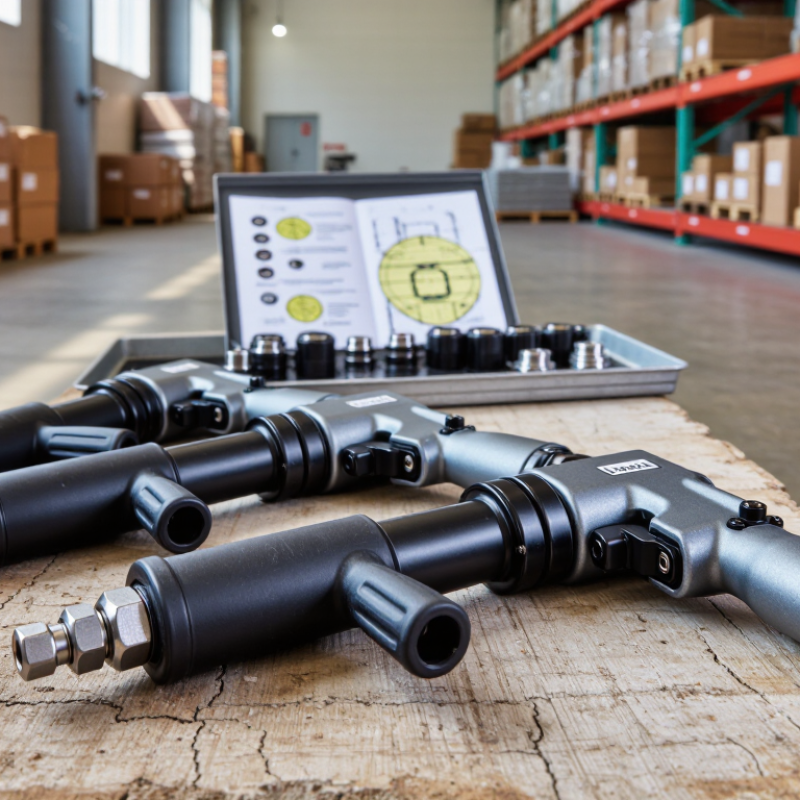
Air rock picks are handheld pneumatic tools designed to break, chip, and loosen hard materials. They use compressed air to drive a piston inside the tool body. The piston strikes a fitted steel bit many times per second. Common bits include pointed picks, chisels, and moil points. Each shape suits a different task.
On a worksite, an operator may use a pointed bit on compact rock or a chisel on masonry edges. The tool connects to an air hose, usually through a control valve and coupling. Proper air pressure depends on the tool design, so supplier data must be checked carefully. Higher pressure does not always mean better performance. It can increase wear, vibration, and maintenance problems.
For global sourcing, buyers should examine the cylinder, piston, spring, bit retainer, and grip materials. I would also request noise, vibration, air-consumption, and impact-rate data from the supplier. Test samples matter. A tool can look strong in photos but feel poorly balanced after ten minutes of use. That detail is easy to miss. Ask for dimensional drawings, spare-part lists, inspection records, and packaging tests. Confirm thread sizes and hose connections for the target market. Standards and worker-protection requirements may differ by country. A reliable supplier should explain these limits clearly, not hide behind broad performance claims. Small flaws can become expensive delays.

Air rock picks convert compressed air into repeated piston movement. The piston strikes the working steel inside the tool. This creates short, forceful impacts for breaking masonry, compacted ground, or light rock. A control valve regulates airflow and driving speed. The operator guides the pick, rather than forcing every impact manually.
In practical use, air pressure, hose size, and tool weight affect performance. A narrow hose may reduce impact strength, even when the compressor seems powerful. Lubrication also matters. Without enough oil, internal parts can wear quickly and produce uneven blows. I have seen buyers focus on advertised impact rates and overlook vibration control. That is a costly mistake. The handle should feel stable, and replacement parts should be clearly specified for international purchasing.
Check the working pressure, air consumption, inlet size, and tool weight. Request operating instructions and material details before ordering. Test a sample under realistic conditions, including the planned hose length. Inspect the piston, valve, and tool holder after extended use. Small checks reveal large problems.
Global sourcing requires more than comparing unit prices. Packaging should protect the pick from moisture and impact during transport. Technical documents should use clear measurements and consistent terminology. If product data seems incomplete, pause and ask questions. That extra step may prevent unreliable equipment from reaching the worksite.
Air rock picks are valued for their direct impact, compact design, and simple pneumatic operation. A hardened steel pick transfers compressed-air energy into concrete, masonry, or compacted ground. Operators can feel the tool bite through dense material, especially in narrow trenches and repair zones. The absence of an onboard motor can reduce tool weight and simplify maintenance. However, performance depends heavily on hose diameter, air pressure, and compressor capacity. A powerful pick can underperform when the air supply is restricted.
Ergonomics also matter during global sourcing. Handle insulation, balanced weight, and trigger control can reduce fatigue across repeated breaking cycles. CDC and NIOSH identify 85 dBA as a recommended exposure limit for an eight-hour workday. Many pneumatic tools can exceed that level, so suppliers should provide verified noise data and practical hearing-protection guidance. ISO 28927-10 offers a method for measuring vibration in handheld percussive tools. Buyers should request test conditions, not only attractive catalog figures.
Durability comes from replaceable bushings, secure retainers, corrosion-resistant surfaces, and compatible chisel dimensions. According to the U.S. Department of Energy, compressed-air systems often lose 20% to 30% of generated air through leakage and poor maintenance. That figure makes air efficiency a sourcing issue, not a minor detail. Field trials remain essential. Laboratory ratings can look impressive, yet real work introduces dust, uneven surfaces, and inconsistent maintenance. The overlooked weakness is usually the air system.
Why Choose Air Rock Picks for Global Sourcing?
Global Sourcing and Supplier Selection
Selecting air rock picks for global sourcing requires more than comparing unit prices. The right supplier should provide clear specifications, stable production, and responsive technical support. I have found that working pressure, impact frequency, shank size, and tool weight directly affect jobsite performance. These details must match the compressor, rock type, and working environment.
Ask suppliers for material certificates, inspection records, and practical test results. A reliable factory should explain how it controls piston hardness, internal alignment, and lubrication channels. Request samples before placing larger orders. Test them on comparable stone, concrete, or foundation materials. Record vibration, noise, air consumption, and output. Small differences become expensive during long projects.
Supplier audits also deserve attention. Check production capacity, quality procedures, packaging strength, and spare-parts availability. Confirm communication standards, delivery terms, and export documents in writing. My early sourcing reviews focused too heavily on price. That was a mistake. A lower quotation can hide inconsistent machining or delayed replacement parts. Even experienced buyers can overlook this. Regular performance reviews, photos from inspections, and documented corrective actions create stronger accountability across borders.
| Selection Dimension | Typical Requirement or Benchmark | Why It Matters in Global Sourcing | Supplier Evidence to Request |
|---|---|---|---|
| Operating Principle | Pneumatic reciprocating impact tool powered by compressed air | Suitable for breaking compacted soil, masonry, asphalt, ice, and similar materials when the correct bit is selected | Technical drawing, operating manual, application guide, and recommended bit list |
| Air Pressure | Common pneumatic-tool operating pressures are around 0.4–0.6 MPa, but the exact requirement is model-dependent | Confirms compatibility with the buyer’s compressor, hoses, couplings, and regional workshop infrastructure | Rated pressure, permitted pressure range, inlet specification, and pressure-test records |
| Air Consumption | Must be evaluated against the compressor’s delivered air capacity; consumption varies substantially by tool size and duty cycle | Avoids low impact energy, overheating, production interruptions, and excessive operating cost | Air-consumption test method, measured consumption, compressor recommendation, and duty-cycle assumptions |
| Impact Performance | Compare impact frequency, impact energy or blow force, and material-removal performance under the same test conditions | A higher impact rate alone does not guarantee better productivity; tool-bit design and material hardness also affect results | Performance test report stating air pressure, hose size, bit type, material, and test duration |
| Tool Weight and Handling | Select the lightest configuration that can meet the required breaking performance and duty cycle | Lower handling effort can improve operator control and reduce fatigue during repeated work | Verified net weight, center-of-gravity information, grip design, and ergonomic test feedback |
| Bit and Shank Compatibility | Confirm shank dimensions, retainer type, and availability of pointed, chisel, scraper, or specialty bits | Compatible consumables determine application flexibility and long-term maintenance cost | Shank drawing, dimensional tolerances, compatible accessories, and replacement-part pricing |
| Durability and Materials | Inspect housing material, cylinder and piston quality, heat treatment, seals, springs, and corrosion protection | Material consistency and process control influence service life in dusty, wet, or high-impact environments | Material certificates where applicable, process-control records, endurance-test results, and inspection plan |
| Noise and Vibration | Request declared sound-pressure or sound-power data and vibration measurements using a stated test method | Noise and hand-arm vibration affect workplace controls, operator comfort, and compliance obligations | Noise and vibration test reports, operating instructions, maintenance guidance, and required personal protective equipment |
| Safety and Compliance | Product safety design should address accidental start-up, hose disconnection, tool retention, lubrication, and guarding requirements | Documentation and conformity requirements vary by destination market and intended use | Risk assessment, declaration or conformity documents where required, safety instructions, and destination-market labeling |
| Quality-Control Process | Use incoming-material inspection, in-process checks, functional testing, leakage checks, and final visual inspection | A documented process reduces batch variation when orders are produced across different lots or facilities | Quality manual, inspection checklist, sampling plan, calibration records, and sample inspection reports |
| Global Logistics | Evaluate packed dimensions, gross weight, export packaging, spare-part packing, and moisture or corrosion protection | Packaging and shipping configuration affect landed cost, damage risk, and customs handling | Packing list, carton specifications, drop-test approach, export documents, and agreed delivery terms |
| Total Cost of Ownership | Assess purchase price together with compressor energy, lubricant, bits, seals, maintenance labor, downtime, and freight | The lowest quoted unit price may not provide the lowest cost per completed task | Five-year spare-parts list, service intervals, warranty terms, failure-rate data, and cost-per-use estimate |
| Supplier Evaluation | Prioritize traceable production, stable capacity, transparent testing, responsive communication, and documented after-sales support | Reliable supplier capability supports consistent quality, replenishment planning, and issue resolution across markets | Factory audit results, production-capacity evidence, reference samples, corrective-action records, and service response procedure |
Note: Performance figures for pneumatic rock picks vary by model, bit configuration, air supply, material, and test method. Confirm all specifications with a pre-production sample and an application-specific performance test.
Air rock picks support controlled breaking in construction, quarrying, mining, utility trenching, and concrete repair. Their narrow chisels help remove hard material around pipes, foundations, and confined work areas. A short body improves handling, while a longer barrel may deliver better reach. The choice depends on rock hardness, access, shift length, and operator strength.
Global buyers should examine recognized safety requirements, not only catalog claims. ISO 11148 covers handheld non-electric power tools, while ISO 12100 supports machinery risk assessment. Local rules may also address noise, vibration, guarding, and compressed-air safety. Request current test reports, material certificates, and a declaration of conformity. Check whether documents match the exact model. A generic certificate is not enough.
Purchasing should begin with air pressure and air consumption. An undersized compressor can make the pick feel weak and increase tool wear. Confirm shank size, impact frequency, weight, hose compatibility, and lubrication needs. Ask about vibration data under stated test conditions. Spare pistons, springs, seals, and chisels should be available near the destination market. Packaging also matters; moisture inside a metal case can cause early corrosion. No checklist is perfect. Field trials still matter, especially when suppliers provide optimistic performance figures. A two-hour test may reveal heat, grip fatigue, or unstable output before a larger order. Reliability often depends on maintenance habits, not just purchase price.

© Copyrights Levil Technology Corp 2022