Best 4 Axis CNC Mill for Precision Machining Needs?
When choosing a 4 axis CNC mill, precision and reliability are paramount. These machines excel in intricate milling tasks, allowing manufacturers to achieve high-quality results consistently. The versatility of a 4 axis CNC mill makes it suitable for various applications, from aerospace to automotive parts.
Investing in the right mill enhances production efficiency and reduces waste. However, selecting a model that meets specific machining needs can be challenging. Some mills may promise exceptional performance but fall short in real-world applications. Understanding the technical specifications and capabilities of different models is essential for making informed decisions.
Evaluating user reviews and expert opinions can provide valuable insights. It's crucial to consider factors like machine stability, accuracy, and ease of use. Not every mill will fit every need, so thoughtful consideration of each option is necessary. As you navigate this complex landscape, remember that the best choice aligns with your unique machining requirements.
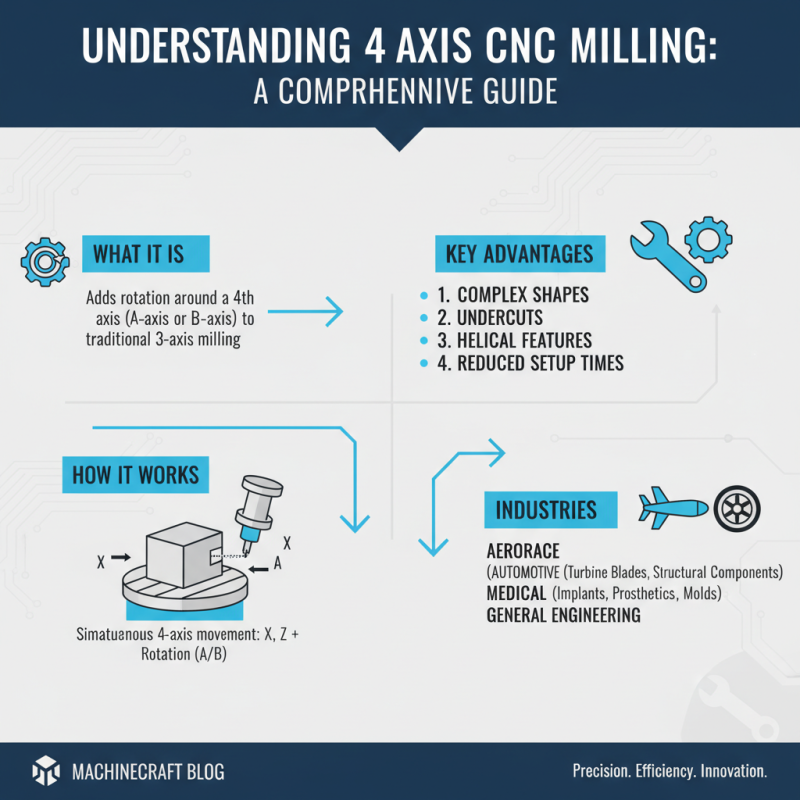
Understanding 4 Axis CNC Milling: A Comprehensive Guide
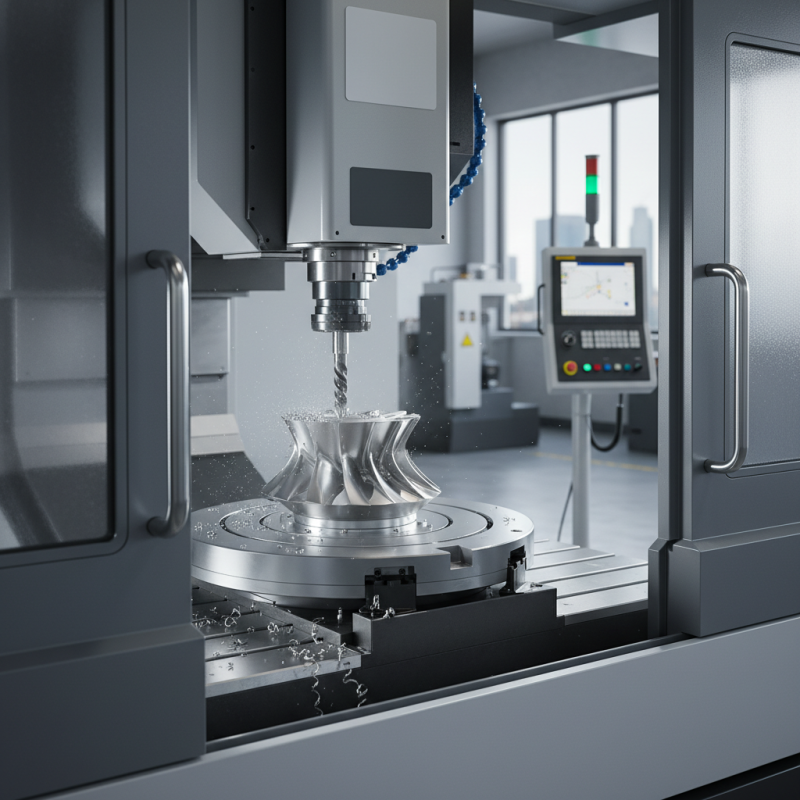
Four-axis CNC milling is a vital technology in precision machining. It enhances the capabilities of traditional three-axis mills by adding rotation around one additional axis. This added dimension allows for more complex shapes and features on machined parts, particularly in industries like aerospace and automotive.
Operators must have a solid understanding of both the mechanics and programming of 4-axis machines. Mastery of CAM software is essential for efficiently programming tools and parts. Many users struggle with software intricacies, leading to errors in machining. Attention to detail is crucial, as a single miscalculation can result in wasted materials and time.
Regular maintenance and calibration of the machine are also vital. Even a minor misalignment can negatively impact precision. These challenges highlight the need for ongoing training and skill development. Embracing these learning opportunities can significantly improve machining results and overall productivity.
Key Features to Look for in a 4 Axis CNC Mill
When choosing a 4-axis CNC mill, precision is critical. Key features can significantly impact your machining needs. Look for mills that offer high accuracy in rotational axes. According to industry standards, a 4-axis mill should maintain a positional accuracy of ±0.002 mm. This precise positioning ensures that complex geometries are fabricated with minimal errors.
Another essential feature to consider is ease of programming. Advanced CNC mills allow for intuitive software interfaces. Many high-quality machines now support industry-standard programming languages like G-code, enhancing flexibility. This can reduce learning time and improve productivity.
Tip: Always check the mill's spindle speed and torque specifications. A spindle speed of at least 10,000 RPM is ideal for most precision work. Furthermore, ensure that the machine can handle various materials, from metals to plastics.
Stability plays a significant role in achieving consistent results. A heavier, rigid machine may inspire confidence but can also lead to limitations in mobility. Consider your workspace and production demands before making a decision. Balancing these factors can be challenging. However, it ultimately leads to a mill that meets your unique precision machining needs.
Top Recommendations for Precision CNC Mills in the Market
When it comes to precision machining, choosing the right 4-axis CNC mill is crucial. Many models on the market deliver impressive features that cater to diverse machining needs. Look for mills that boast high accuracy, robust construction, and advanced controls. These attributes ensure the final product meets stringent quality standards.
Consider a mill with a substantial spindle power. This allows for effective cutting through various materials. Additionally, a user-friendly interface enhances the machining experience. It's essential for operators to feel comfortable while working with complex designs. A compact design can also be a boon for smaller workshops. Space-saving features without compromising functionality are often desirable.
While many options exist, not every model fits every requirement. Some machines may lack certain features essential for specialized tasks. Be cautious about hype surrounding new technology. Assess whether these advancements genuinely improve machining outcomes. Understanding the balance between investment and productivity is vital. A thoughtful evaluation of needs can lead to more satisfactory results.
Best 4 Axis CNC Mill for Precision Machining Needs
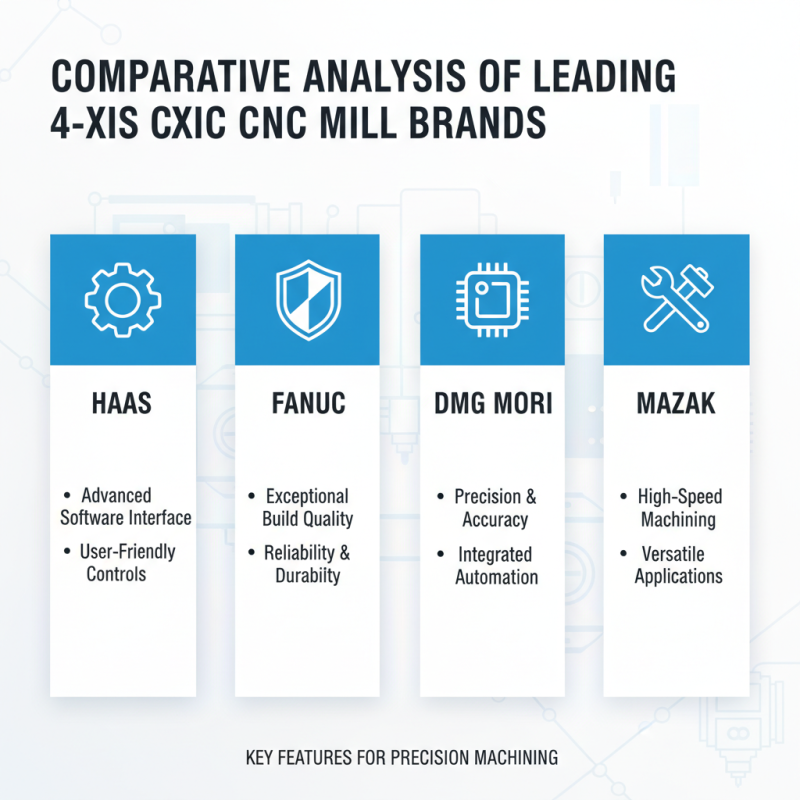
Comparative Analysis of Leading 4 Axis CNC Mill Brands
When considering the best 4 axis CNC mills, a comparative analysis of leading brands can provide valuable insights. Each mill offers unique features suited for precision machining. Some have advanced software interfaces, while others boast exceptional build quality. Understanding these differences is essential for making an informed decision.
Many mills excel in specific areas. For instance, some machines prioritize speed over precision, which may not meet every project's requirements. Others focus on versatility, allowing for various applications, yet could lack in high-end performance. It's crucial to weigh these aspects against your machining needs. A mill that excels in one area might fall short in others.
Evaluating user experiences reveals important details. Operators often share insights that highlight strengths and weaknesses. A reliable mill should not only perform consistently but also provide ease of maintenance. Some users report issues with customer support, making this an important factor to consider. The overall effectiveness of a 4 axis CNC mill depends on various elements that require careful thought and reflection.
Tips for Maintenance and Optimization of CNC Milling Performance
CNC milling performance hinges on effective maintenance and optimization techniques. Regular checks and adjustments can significantly enhance machining precision. Ensure that all moving parts are clean and lubricated. Dirt and friction can lead to inaccuracies over time. Operators often forget to inspect the tool wear regularly. This oversight can affect both quality and productivity.
Creating a routine for maintenance is beneficial. Set specific intervals for machine calibration and tool replacement. Many machinists neglect these aspects, leading to declining performance. Regular monitoring of spindle speed and feed rates can also yield better results. Make sure to document each adjustment. Tracking these changes helps identify patterns that impact performance.
Using high-quality cutting tools plays a vital role in achieving better results. However, many users do not understand the importance of tool selection. Different materials require specific tools for optimal cutting. Investing in the right tools can prevent frequent breakdowns. Lastly, always educate yourself and your team. Continuous learning in machining techniques promotes innovation and efficiency. Regularly attend workshops or online courses. The more knowledgeable the operator, the better the output.
Best 4 Axis CNC Mill for Precision Machining Needs
| Model |
Max RPM |
Work Envelope (mm) |
Accuracy (mm) |
Control System |
Maintenance Tips |
| CNC Mill A |
24000 |
600 x 400 x 200 |
0.01 |
Fanuc |
Regular lubrication, alignments every month |
| CNC Mill B |
20000 |
800 x 500 x 300 |
0.015 |
Siemens |
Check tool wear, clean spindles regularly |
| CNC Mill C |
18000 |
700 x 450 x 250 |
0.02 |
Mitsubishi |
Tighten bolts, replace filters every 6 months |
| CNC Mill D |
26000 |
900 x 600 x 350 |
0.005 |
Heidenhain |
Routine checks on CNC software, calibrate every month |