How to Choose the Best CNC Machining Centers for Your Needs?
Choosing the best CNC machining centers for your needs can be daunting. The right equipment is crucial for precision and efficiency. According to John Smith, a renowned expert in CNC technology, “Selecting the proper CNC machining center is as important as the design itself.” This insight underlines the significance of this choice.
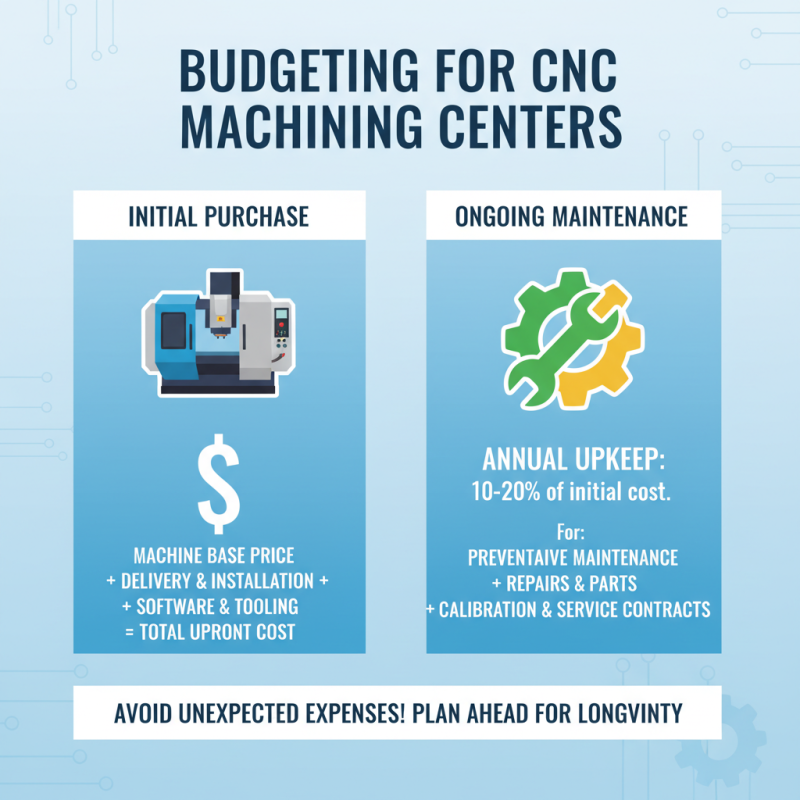
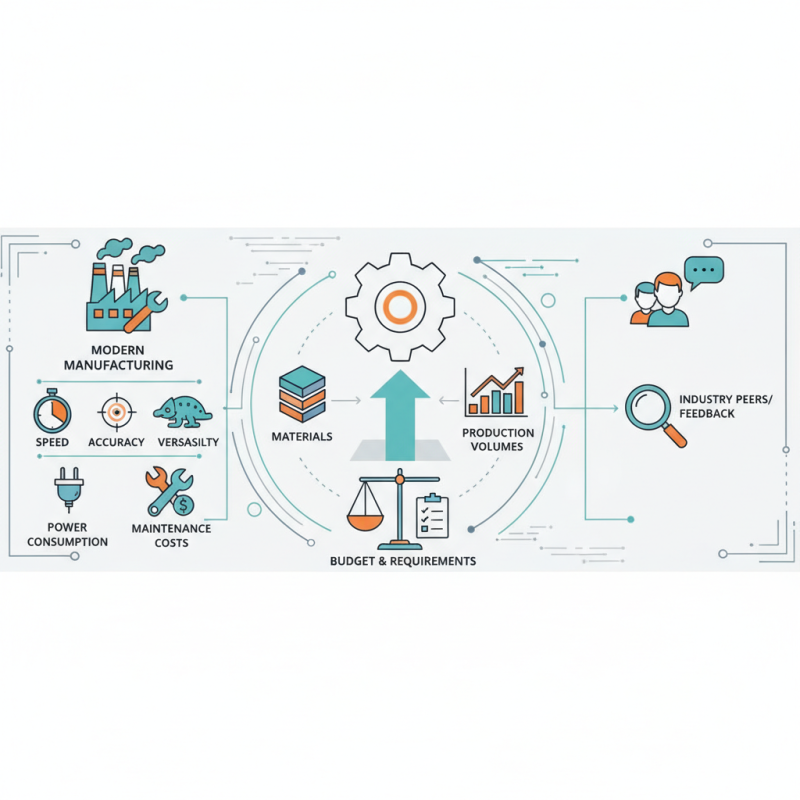
CNC machining centers are not just machines. They’re the backbone of modern manufacturing. When making a decision, consider factors like speed, accuracy, and versatility. Many buyers overlook power consumption and maintenance costs. These details can significantly impact long-term operations.
Evaluating specific needs is vital. Understand the materials you will work with. Reflect on production volumes. The market is filled with options, and not every model suits every shop. It’s essential to strike a balance between your budget and requirements. Collect feedback from industry peers. Their experiences can reveal what you might not have considered.
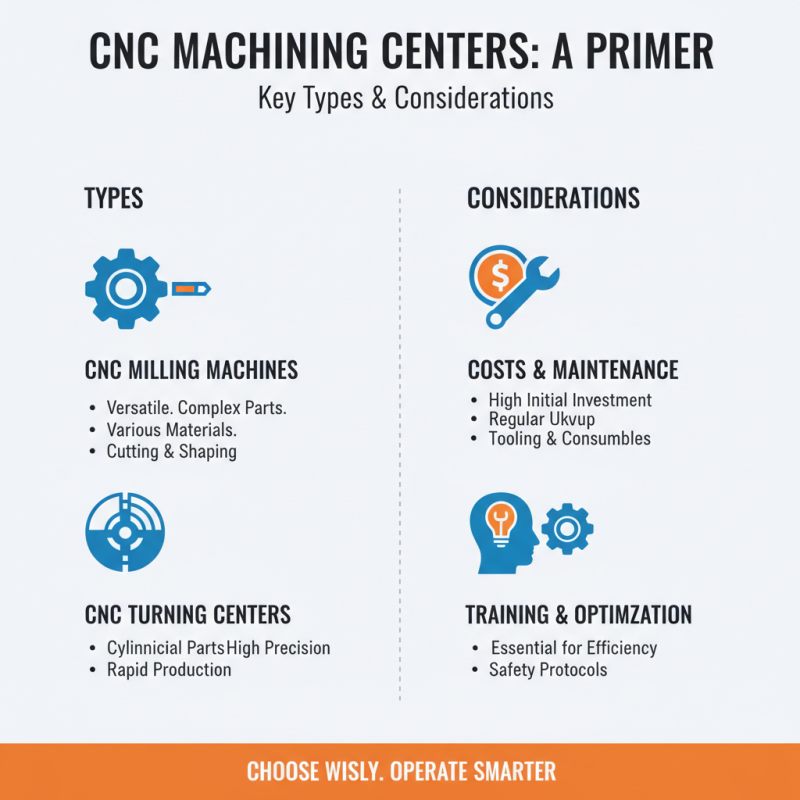
Understanding the Different Types of CNC Machining Centers
Understanding the different types of CNC machining centers is crucial for efficient operations. CNC milling machines, for instance, are versatile. They can create complex parts from various materials. Designed for precision, they excel in cutting and shaping. However, they might not be the best fit for every project. Machines can be costly, and maintenance is often overlooked. Proper training is essential to maximize their potential.
On the other hand, CNC lathes focus on cylindrical workpieces. They rotate the material, allowing precise cuts. While they are great for producing round shapes, they lack versatility compared to milling centers. Some users find their learning curve steep. Investing time in mastering these machines is necessary but can pay off in efficiency gains.
Lastly, there are CNC routers. These machines are excellent for composites, wood, and plastics. They are generally more accessible for beginners but may fall short for metal work. Each type has its trade-offs. Users should evaluate needs carefully. Will the machine handle intended projects? This reflection matters greatly in the decision-making process when selecting the right CNC machining center.
Key Factors to Consider When Choosing CNC Machining Centers
Choosing the right CNC machining center requires careful consideration of several key factors. One critical aspect is the type of materials you plan to work with. Different machines handle various materials differently. For instance, aluminum and plastics require different spindle speeds and feed rates than metals like steel. According to a report from the International Association of Machinists, nearly 40% of machining errors stem from material mismanagement.
Another crucial factor is the size and complexity of the parts you intend to produce. An effective CNC machining center should accommodate your largest components while providing precision for intricate designs. Recent studies show that companies using multi-axis machining centers reported a 25% increase in efficiency, underscoring the importance of machine versatility. It’s essential to assess whether your production facilities can integrate advanced technologies without overwhelming your workflow.
Additionally, consider the machine's software capabilities. A user-friendly interface can significantly reduce training time and operational errors. Although many centers come equipped with advanced software, not all are intuitive. Incompatibility with existing systems can hinder productivity. Balancing state-of-the-art features against ease of use remains a constant reflection for manufacturers aiming for efficiency without sacrificing quality.
Assessing Your Production Needs and Specifications
When choosing CNC machining centers, assessing your production needs is crucial. Understand your specific requirements, like part complexity and material types. For instance, a survey from the Association for Manufacturing Technology showed that over 70% of manufacturers prioritize machining flexibility. This flexibility often translates to enhanced efficiency.
Consider your expected production volume. Low-volume production may focus on versatility, while high-volume needs might require specialized machines. A report from the International Journal of Advanced Manufacturing Technology highlights that efficiency gains of up to 30% can occur with proper machine selection based on production targets.
Evaluate precision requirements as well. If your parts need tight tolerances, look for machines that boast high accuracy ratings. Surprisingly, many companies overlook maintenance needs, which can affect long-term performance. Ignoring scheduled maintenance can lead to unplanned downtime, further complicating production schedules. Thoughtful consideration of these factors will guide you toward the right CNC solution that meets your demands effectively.
Choosing the Best CNC Machining Centers Based on Production Needs
Evaluating Brand Reputation and Customer Support
When evaluating CNC machining centers, brand reputation and customer support are crucial. A strong brand often signifies quality and reliability. However, it is essential to conduct thorough research. According to a 2022 industry survey by Statista, manufacturers prefer reliable brands that offer high customer satisfaction. A reputable brand typically has extensive experience. This experience translates into better design and efficiency.
Customer support is just as critical. Many buyers overlook this aspect, but it can significantly impact your operations. A delay in support can lead to costly downtime. The same Statista report indicated that 70% of respondents experienced improvements in efficiency with responsive customer support. Thus, choosing a brand with a strong support team is vital.
Tips: Look for online reviews and testimonials. Contact support before purchasing to gauge responsiveness. Don't hesitate to ask for references from current users. Even well-known brands can have flaws. It's important to reflect on how these factors align with your unique needs and operations. Make informed decisions based on current performance data and user experiences to ensure you select the best CNC machining center for your business.
How to Choose the Best CNC Machining Centers for Your Needs?
| Dimension |
Description |
Importance |
Considerations |
| Brand Reputation |
Level of trust within the industry and among users. |
High |
Research user reviews and industry awards. |
| Customer Support |
Availability and quality of technical support. |
High |
Check response times and service channels. |
| Machine Precision |
Accuracy of the machining process. |
Critical |
Look for specifications and tolerance levels. |
| Speed |
Capability to maintain high production rates. |
Medium |
Evaluate RPM and feed rate specifications. |
| Ease of Use |
User-friendly interfaces and software. |
High |
Consider training and learning curve. |
| Maintenance |
Required upkeep to maintain optimal performance. |
Medium |
Assess ease of access to parts and service. |
| Cost |
Total investment for purchase and operational costs. |
High |
Compare total cost of ownership, not just upfront price. |