How to Choose the Best CNC Milling Machine for Your Needs?
Choosing the right CNC milling machine is crucial for any manufacturing operation. As demand for precision machining increases, the need for optimal equipment becomes undeniable. According to the International Federation of Robotics, CNC machining is forecasted to grow by 10% annually in the coming years. This boom reflects the importance of advanced technology in modern manufacturing.
Expert John Smith, a leading consultant in CNC technologies, states, "Selecting the right CNC milling machine can make or break your production efficiency." His insight highlights the significance of understanding specific business needs before purchasing. Factors such as precision, size, and material compatibility must be carefully considered.
One should also reflect on the ongoing maintenance requirements. Many overlook this, leading to unexpected downtime. Furthermore, budget constraints can complicate the decision-making process. Balancing features with costs requires careful analysis. Taking the time to evaluate these elements can ultimately enhance productivity and ensure long-term success in CNC milling operations.
Key Factors to Consider When Choosing a CNC Milling Machine
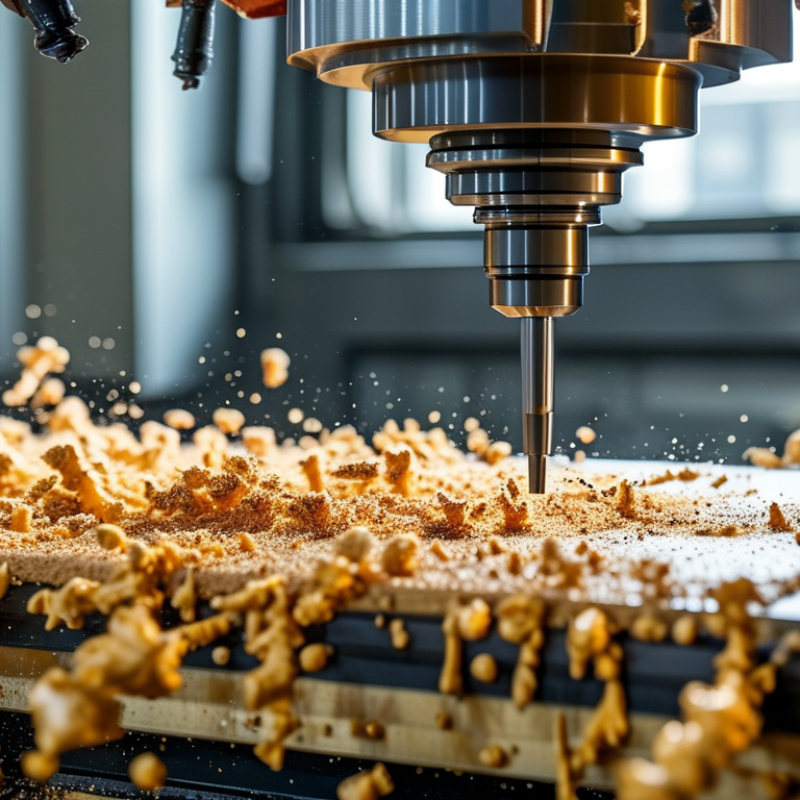
Choosing the right CNC milling machine involves several key factors. First, consider the machine's size and capability. Smaller shops might need compact models, while larger operations often require machines with greater capacity. Pay attention to the dimensions of the workspace, as this impacts what you can create.
Another important factor is the type of materials you will work with. Different machines handle various materials differently. If you plan to mill metals, ensure the machine can support that. Check the spindle speed and torque as well, since these influence how efficiently the machine can cut through harder materials.
Maintenance is often overlooked. A reliable machine requires regular upkeep. Look at the manufacturer’s support and the availability of replacement parts. If parts are hard to find or support lacks, that could lead to downtime. Additionally, think about your operator's skill level. A complex machine might not be suitable for a novice. Ultimately, taking time to reflect on these factors can lead to better purchasing decisions.
Understanding Different Types of CNC Milling Machines Available
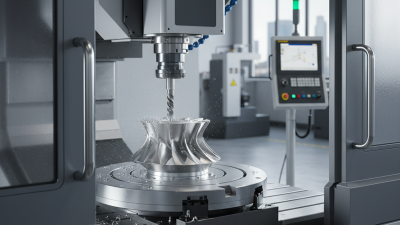
When exploring CNC milling machines, it’s vital to understand the different types available. There are vertical and horizontal milling machines. Vertical machines are user-friendly and versatile. They enable easy viewing of the workpiece. On the other hand, horizontal machines are robust. They cater to larger, heavier parts, providing more stability during processing.
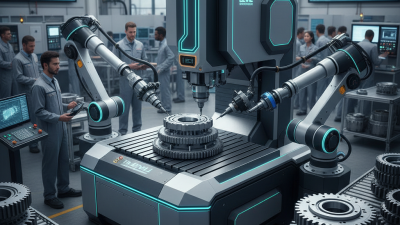
Another category includes 3-axis and 5-axis CNC milling machines. 3-axis machines are common for simple operations. They excel in cutting flat surfaces and basic shapes. In contrast, 5-axis machines are ideal for complex geometries. They allow for greater precision and flexibility, sparing you from multiple setups. However, they require skilled operators to leverage their full potential.
While choosing your machine, consider your specific needs. Your budget, space, and desired functionality matter. Some users may prioritize speed; others, precision. Mistakes in selection can lead to over or under-utilization. It's crucial to assess what truly matters for your projects. Understanding the landscape of CNC milling machines lays the groundwork for successful production.
Comparison of Different Types of CNC Milling Machines
Evaluating Machine Specifications: Power, Speed, and Precision Metrics
When evaluating CNC milling machines, key specifications like power, speed, and precision metrics define their performance. A powerful machine often translates to better efficiency, allowing for faster processing of materials. Industry reports indicate that machines with at least 5 horsepower are suited for robust applications, especially in metalworking. This power ensures consistent performance under load, reducing downtime.
Speed is another critical factor. The spindle speed, typically measured in RPM (revolutions per minute), affects the machine’s ability to handle various materials. High-speed CNC milling machines can operate at speeds exceeding 20,000 RPM. Such machines enable faster cutting and improved surface finishes. However, high speeds may lead to reduced tool life, prompting the need for careful consideration of tooling materials and maintenance.
Precision metrics are essential in achieving high-quality results. Tolerance levels as tight as ±0.0001 inches are often required in industries like aerospace. However, achieving such precision can be challenging, especially with factors like thermal expansion or tool wear. Reliable manufacturers provide calibration and maintenance guidelines to address these challenges, ensuring that machines deliver consistent results over time. Careful evaluation of these specifications will guide users in making informed decisions about CNC milling machines that suit their operational needs.
Cost Analysis: Budgeting for a CNC Milling Machine Purchase
When budgeting for a CNC milling machine, understanding the full cost is crucial. The initial purchase price is only part of the equation. According to a report from the International Federation of Robotics, the average price for a CNC milling machine ranges from $40,000 to $150,000, depending on features and capabilities. However, ongoing operational costs are often overlooked. Maintenance, tools, and spare parts can add another 15-20% annually.
Many businesses underestimate the costs associated with training staff. Skilled operators are essential for maximizing machine use. A study by the National Institute of Standards and Technology found that companies spending on training see up to a 30% increase in productivity. It's important to allocate funds for skilled labor or training programs when planning for a CNC milling machine.
Moreover, consider the workspace and utility expenses. You need sufficient space, ventilation, and power supply. Failing to account for these necessities can lead to costly adjustments later on. Local regulations may also impose additional costs related to waste disposal or emissions. This can vary significantly by region, impacting the overall budget further. Reflecting on all these factors is vital for a realistic CNC investment plan.
Industry Trends Influencing CNC Milling Machine Selection in 2023
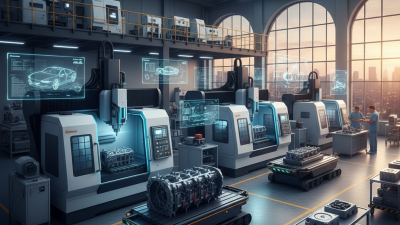
In 2023, the manufacturing landscape is evolving rapidly. Trends like automation and smart technology are reshaping CNC milling machines. These advances enable greater efficiency. Manufacturers must adapt to these changes to stay competitive. For example, the rise in IoT connectivity allows real-time data collection. This information helps in predictive maintenance, reducing downtime.
Sustainability also plays a vital role. Eco-friendly practices drive machine design and selection. Companies now prefer devices that consume less energy. They are exploring options that minimize waste. Additionally, user-friendly interfaces are increasingly important. Operators want machines easy to program and operate, regardless of their skill level.
Moreover, customization is on the rise. Businesses seek CNC milling machines that cater to specific production needs. This complexity poses challenges. Choosing the right machine requires careful assessment of production goals. Industry professionals must weigh features and costs against individual requirements. The best machines combine technology and usability, yet finding the perfect fit can feel daunting.