Global buyers comparing 2026 five-axis CNC machines face a practical challenge: matching machine capability to actual parts, operators, and production volume. Grand View Research estimated the global CNC machine market at USD 101.22 billion in 2023, projecting a 9.5% compound annual growth rate from 2024 to 2030. That broad market estimate is not a forecast for five-axis machines alone. Still, it signals a sector investing in automation and precision.
Details matter. A five-axis machine can reach angled surfaces with fewer setups, but performance depends on more than the axis count. Buyers should examine working envelope, spindle power, positioning accuracy, control usability, service coverage, and the cost of tooling and training. A large table looks reassuring. It may still be the wrong fit for small, intricate components or a crowded shop floor.
Manufacturing scholar Yoram Koren and coauthors described reconfigurable systems as designed for “rapid change in structure.” Their 1999 paper, “Reconfigurable Manufacturing Systems,” offers a useful lens for evaluating machine flexibility, though it does not rank current five-axis models. This guide compares leading options for global buyers, focusing on specifications, application fit, support, and ownership considerations. No ranking can replace a test cut on representative material. A shortlist can also overlook local service quality, a detail buyers sometimes notice too late. The right axis cnc investment is not automatically the most advanced machine; it is the machine your team can run reliably.
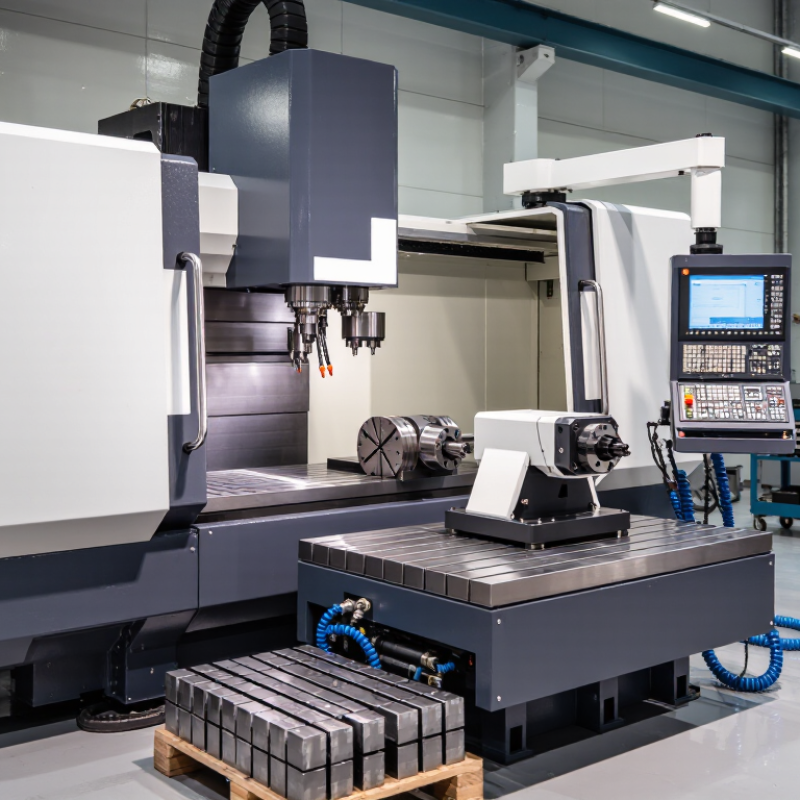
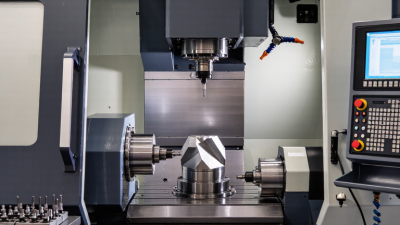
A 5-axis CNC machine combines three linear movements with two rotary movements. The linear axes are X, Y, and Z: they position the cutting tool or workpiece along three directions. The rotary axes are commonly labeled A, B, or C, depending on which linear axis they rotate around. The exact arrangement varies by machine. Check the machine’s axis layout before planning a part.
Those two rotary movements let the tool approach a workpiece from different angles. A contoured aluminum housing, for example, may need side features and angled pockets. With suitable programming, a 5-axis machine can reach these surfaces with fewer setups. That can reduce repositioning errors and help maintain relationships between features. Some machines move the table; others tilt the spindle, so the workholding plan matters. Small details count.
Five axes do not guarantee better parts. Tool length, fixture clearance, machine calibration, and cutting conditions still affect accuracy. Simultaneous 5-axis machining moves several axes together; indexed machining rotates the part, then cuts with the axes held in position. They serve different needs. I have seen complex setups become less efficient when programs and fixtures were not checked carefully. A dry run and a review of collision zones are practical safeguards, especially near clamps or deep cavities. Verify the required tolerance against the machine’s documented capability.

2026 Best 5 Axis CNC Machines for Global Buyers
Machine Architectures: Trunnion, Swivel-Head, and Table-Table Designs
A trunnion machine tilts and rotates the workpiece on a moving table. It suits compact parts that need access to several faces, such as aluminum housings with angled pockets. The setup can keep tools short, which often helps rigidity. But tall parts may collide with the table or lose usable travel. Check the part’s full swept envelope, not just its dimensions on a drawing. Chip evacuation also depends on how the table tilts.
A swivel-head design moves the spindle around a largely fixed table. This can make loading heavy or oversized components easier, and it avoids rotating a massive workpiece through every angle. The trade-off is head clearance: the spindle, tool, and holder must reach the cut without interference. A long pivot distance can also magnify small positioning errors. Table-table machines rotate the workpiece about two table axes, often in a compact footprint. They can be a good fit for smaller, lighter parts, though workpiece mass affects acceleration and finish. No layout wins every job.
Tips: Ask for a sample-part simulation using your actual tool holders and fixtures. Confirm rotary-axis limits, payload, and service support in your region. One detail is easy to miss: fixture height can change the reachable cutting angles. Recheck it before choosing.
| Machine Configuration | Axis Arrangement | Typical Linear Travel (X × Y × Z) | Typical Rotary-Axis Range | Indicative Workpiece Capacity | Typical Strengths | Buyer Considerations | Best-Fit Applications |
|---|---|---|---|---|---|---|---|
| Compact trunnion-table | Three linear axes with the workpiece mounted on a tilting rotary table. | Approx. 300–600 × 300–600 × 300–500 mm | Tilting axis commonly provides about 90–120° of travel; rotary axis is often continuous. | Small to medium parts; commonly tens to a few hundred kilograms, depending on table size. | Compact footprint, good access to multiple sides, and efficient setups for small complex parts. | Check table diameter, permissible load at tilted positions, fixture clearance, and chip evacuation. | Medical components, precision parts, small impellers, and general-purpose job-shop work. |
| Heavy-duty trunnion-table | Three linear axes with a larger tilting and rotating workholding assembly. | Approx. 500–1,000 × 500–1,000 × 400–800 mm | Tilting travel varies by design; a rotary axis may provide continuous rotation. | Medium to heavy parts; capacity can range from several hundred kilograms to over one tonne on suitable machines. | Supports substantial workpieces and fixtures while enabling multi-face machining in one setup. | Review load ratings, table stiffness, acceleration under load, foundation requirements, and lifting access. | Energy, aerospace, automotive, and industrial components requiring multi-side machining. |
| Swivel-head | Rotary axes are carried by the spindle head; the workpiece remains on a fixed table. | Approx. 600–1,500 × 500–1,200 × 400–900 mm | Head tilt is commonly around ±90° or a comparable range; a second rotary axis may be continuous. | Medium to large parts; the fixed table can support heavy workpieces within the machine’s rated capacity. | Useful for large or heavy workpieces that are difficult to rotate; provides flexible tool orientation. | Confirm head reach, angular stiffness, collision limits, spindle orientation accuracy, and access near table edges. | Large structural parts, molds, frames, and components that benefit from a stationary workpiece. |
| Head-table combination | One rotary axis is on the head and the other is on the worktable. | Approx. 500–1,200 × 400–1,000 × 400–800 mm | Travel depends strongly on the design; one axis is often continuous and the other provides a broad tilt range. | Small to medium workpieces, with capacity determined by the rotary table and fixture system. | Can combine head access with table rotation, offering flexibility across varied part shapes and sizes. | Assess combined-axis collision zones, tool-center-point control, programming requirements, and setup complexity. | Mixed production, complex housings, blisks, and parts with varied machining orientations. |
| Table-table (double-rotary table) | Both rotary axes are in the worktable assembly; the spindle head remains fixed in orientation. | Approx. 300–800 × 300–800 × 250–600 mm | One axis commonly tilts through a limited-to-broad range; the other often rotates continuously. | Generally small to medium parts; allowable load decreases when the workpiece is offset or tilted. | Strong access to multiple sides and consistent tool-head geometry; well suited to compact, complex parts. | Check workpiece envelope at extreme tilt, rotary-table load limits, fixture height, and risk of interference. | Small aerospace parts, medical devices, precision components, and multi-sided production work. |
Selection note: The figures above are indicative planning ranges for machine architectures, not specifications for a particular machine. Actual travels, rotary-axis limits, load capacity, accuracy, and work envelope vary by configuration. Confirm published specifications, test conditions, tooling clearance, and local service support before purchasing.
For 2026 five-axis CNC buyers, ask for measured results, not a single “accuracy” claim. ISO 230-2:2014 defines tests for linear-axis positioning accuracy and repeatability. Its test report should identify measured positions, deviations, reversal error, and repeatability for each axis. Compare the same values across machines, especially on the rotary axes that shape complex parts. Small errors can stack.
ISO 10791-6:2014 covers speed and interpolation accuracy tests for machining centers. Request the recorded results for circular interpolation and relevant rotary-axis tests, alongside test conditions and measurement equipment. A smooth-looking test path is useful, but it does not prove consistent performance across the full working volume. Ask for raw plots, too. The standards define test methods, not one universal pass/fail limit; relate results to your part tolerances and inspection plan.
Tips: Check the test temperature, axis direction, feed rate, and tool-center-point settings. Confirm the machine was thermally stable. Compare reports from similar configurations.
A report can look precise and still leave questions. Ask how the test setup reflects your actual cutting work. Then repeat a critical test after installation; transport, foundations, and thermal conditions can shift results. That extra check takes time, but it may prevent costly surprises.
A five-axis machine should be sized around the part, fixture, and tool—not the part’s catalog dimensions alone. Check rotary-axis swing, table load, and clearance with the longest cutter installed. A 600 mm housing may need a larger envelope once tilted for side access. Leave room for clamps and chip evacuation. Tight clearances become expensive surprises.
Match spindle power and torque to the cut. Aluminum favors high speed; titanium often needs steady torque, rigid fixturing, and controlled heat. Tool capacity matters too: a mixed-material job may need roughers, finishers, probes, and special holders in the same cycle.
The International Federation of Robotics’ World Robotics 2024 report counted 4,281,585 industrial robots operating worldwide in 2023. That figure makes automation planning relevant, but it does not determine machine size. Check pallet access and tool-change recovery before specifying unattended production.
A useful rule, though imperfect: verify the hardest cut with the actual toolpath and holder. Then ask the supplier for a cutting trial using comparable material. Numbers on a brochure rarely show chatter, reach limits, or awkward chip flow. Some details get missed.
For global buyers comparing 2026 five-axis CNC machines, safety documentation deserves the same attention as spindle speed. Ask for certificates and test records relevant to the machine’s destination, then confirm that guards, interlocks, and emergency stops match the delivered configuration. Check the electrical supply, manuals, and operator training requirements with a qualified local professional. Check the paperwork. A supplier’s general compliance statement may not cover every option fitted to your machine.
Service coverage can matter more than a small difference in purchase price. Confirm who will install and commission the machine, how quickly technicians can respond, and whether remote diagnostics are available in your time zone. Request lead times for critical spares such as spindle components, probes, and drive parts. A nearby service contact is useful, but ask what support they can actually provide. Promises sound reassuring; written response terms are better.
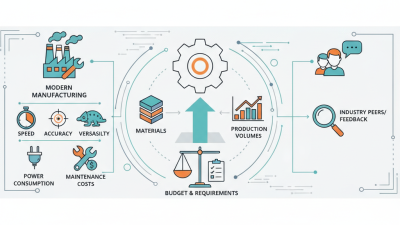
Estimate total cost of ownership across several years, including shipping, installation, tooling, software, energy, maintenance, and expected downtime. Match the machine’s accuracy and work envelope to real parts, not an ideal sample. Ask for a cutting test using your material and inspect the results. Tests can miss production problems. That is worth admitting. Compare service costs and realistic uptime assumptions before deciding, and keep a contingency for training or process changes.

© Copyrights Levil Technology Corp 2022