Choosing the best 5 axis CNC machine in 2026 depends less on a headline specification and more on the work it must perform. A shop cutting aluminum brackets has different needs from one machining titanium medical components or detailed molds. Part size, material, batch volume, and operator experience all change the answer. There is no universal winner.
This guide compares machines through practical criteria: simultaneous five-axis capability, work envelope, spindle performance, positioning accuracy, control system, tool capacity, and local service support. It also considers the costs that brochures may understate, including installation, fixtures, training, and maintenance. Small details matter. A large rotary table may limit usable part clearance. A fast spindle may not provide enough torque for demanding cuts. And impressive accuracy figures mean little without clear testing conditions.
If you are searching for an “axis cnc machine,” clarify whether your work needs full simultaneous motion or mostly 3+2 positioning. That choice can affect both price and programming complexity. We’ll look at where each machine type fits, what specifications deserve closer attention, and how to match a shortlist to real production needs. Some comparisons will remain imperfect: manufacturers present data differently, and no specification sheet can reveal how a machine performs in every shop. Treat the recommendations as a starting point, then confirm critical details with a demonstration, sample cut, and service discussion.
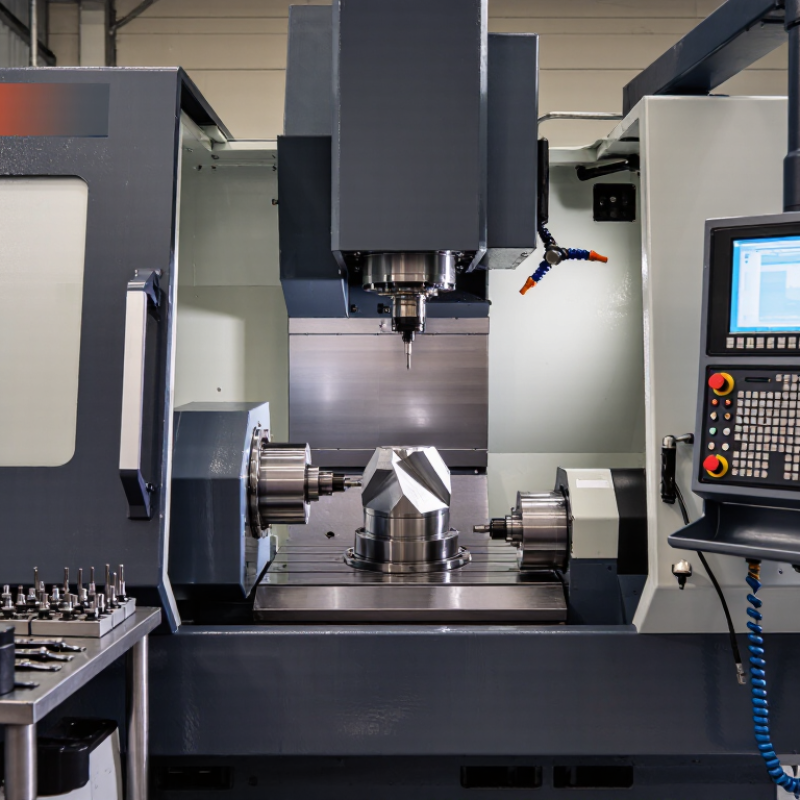
A 5-axis CNC machine moves a cutting tool or workpiece along three linear axes—X, Y, and Z—and two rotary axes. The rotary axes tilt or turn the part, allowing the cutter to reach angled faces and complex contours. Axis names vary by machine design. Less reclamping. Fewer setup errors.
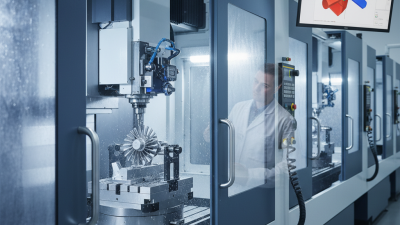
A CAM system converts the part model into toolpaths, then the controller coordinates all five motions. In simultaneous machining, the tool can stay at a useful angle while following a curved surface. For example, a short ball-end mill can machine a sloped turbine-blade profile without repeated repositioning. Shorter tools can reduce deflection, though poor setup can still spoil the finish.
The International Federation of Robotics reported 4.28 million industrial robots operating worldwide in 2023, a 10% increase from 2022, in its World Robotics 2024 report. That figure describes robotics, not 5-axis machine adoption, but it reflects the growing role of automation in production. In automated cells, reliable part location matters: operators still need to verify fixture rigidity, tool offsets, and rotary-axis calibration. Five axes do not guarantee accuracy. Thermal drift and a loose fixture can leave visible marks on a supposedly precise surface.
| Machine type or factor | How it works | Typical strengths | Main considerations | Often suitable for |
|---|---|---|---|---|
| Trunnion-style 5-axis | The workpiece sits on a tilting and rotating table. The machine combines these two rotary motions with the X, Y, and Z linear axes. | Can provide access to several sides of a part in one setup; commonly used for compact and medium-sized components. | Table tilt, fixture size, and part geometry can affect usable work envelope and tool access. | Complex components that benefit from machining multiple faces with fewer setups. |
| Swivel-head or head-head 5-axis | Two rotary axes move the spindle head to change the tool’s orientation, while the workpiece is generally held on a fixed table. | May be advantageous when the part is large or heavy, since the table does not need to tilt the workpiece. | Reach, head design, rotary-axis limits, and tool clearance determine which surfaces can be accessed. | Large workpieces or jobs where moving the part is undesirable. |
| 3+2 indexed machining | The rotary axes position the workpiece or spindle at a selected angle, then remain fixed while the three linear axes perform the cut. | Can machine multiple faces in fewer setups and is often simpler to program than continuous five-axis tool motion. | The rotary axes do not continuously move during the cutting path, so it is not suited to every sculpted or continuously changing surface. | Prismatic parts with angled holes, pockets, or features on several sides. |
| Simultaneous five-axis machining | The controller coordinates all three linear axes and both rotary axes while the tool is cutting, continuously changing tool orientation as needed. | Enables machining of complex contours and undercut features; can help maintain a suitable tool angle and reduce setups. | Requires capable CNC control, suitable CAM programming, careful collision checking, and qualified setup. | Contoured parts such as impellers, molds, turbine components, and other complex surfaces. |
| Five-axis motion basics | Three axes provide linear movement along X, Y, and Z. The other two axes are rotary; their directions and names depend on the machine’s kinematic design. | Tilting or rotating the tool or workpiece provides additional approach angles without relying only on repositioning the part. | Axis count alone does not guarantee accuracy, speed, or a suitable working envelope. | Buyers comparing machine layouts, part access, and production requirements. |
| Choosing the best machine in 2026 | Match the machine’s kinematics, work envelope, spindle, control, and software workflow to the parts and processes being produced. | A well-matched machine can reduce setups and improve access to complex features. | Compare usable travel with the part and fixture installed; assess workholding, tool access, service support, training, and total operating cost. | The best choice depends on the application; there is no single configuration that is best for every shop. |
Note: Actual capacity, accuracy, cutting performance, and suitable materials vary by machine design, options, tooling, workholding, programming, and operating conditions. Verify specifications with the machine’s technical documentation.
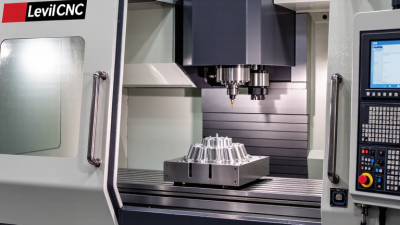
Five-axis CNC machines are commonly grouped by how their rotary axes move. The main configurations are table-table, head-table, and head-head. Each suits different workpieces and machining setups.
On a table-table machine, the workpiece tilts and rotates on a trunnion or rotary table. This layout is practical for compact parts, such as aluminum housings, because the tool can reach multiple faces with one setup. Check the table’s load rating and work envelope; a large fixture can reduce usable space. That matters. On a head-table machine, one rotary axis sits in the head and another in the table. It offers more flexibility for varied part sizes, though the setup can be less straightforward. A head-head machine places both rotary axes in the spindle head, leaving the table stationary. This can help with heavier or larger parts, but clearance and machine rigidity deserve close attention.
These configurations may run indexed 3+2 machining, where the axes position and lock before cutting, or simultaneous five-axis paths, where all axes move during cutting. Not always. Simultaneous motion is valuable for sculpted surfaces and angled features, but it can add programming and verification work. A polished specification sheet may still mislead: compare actual part dimensions, tool access, fixture height, and required tolerances against the machine’s working envelope. The best type depends on the parts you make most often, not simply the number of axes.
When comparing 2026 five-axis CNC machines, start with the parts you actually plan to cut. Check the usable work envelope with the rotary table tilted, not just the advertised travel. A tall fixture or long tool can limit access sooner than expected. Numbers can mislead.
Look closely at rotary-axis accuracy, clamping stiffness, and how the control handles tool-center-point movement. Ask for a sample cut on a part similar to yours, then inspect surface marks around tilted faces and tight corners. Watch the cut. Spindle speed matters, but so do torque at working speeds, thermal stability, and chip evacuation. A machine that holds position during a long finishing pass may be more useful than one with a larger headline specification.
Consider setup and upkeep, too. Automatic probing, collision monitoring, and clear tool calibration routines can reduce avoidable errors, especially when jobs change often. Small details matter. Review access to service, common wear parts, and operator training before comparing purchase prices. The trade-off is real: more axes can reduce refixturing, yet add programming and maintenance demands. No feature replaces a careful test with your material, tooling, and tolerances.
What Is the Best 5 Axis CNC Machine in 2026?
The best machine depends on the part, not a ranking. For compact impellers and blisks, a trunnion-style table can provide strong access to tilted surfaces. Check its table capacity and rotary-axis limits against the part’s size and weight. For large aerospace structures, a gantry layout may offer more working space, though it needs careful floor planning. No setup is effortless.
Moldmakers often value a rigid machine, smooth finishing moves, and reliable thermal control. These help maintain surface quality across deep cavities and steep walls. Medical components may need fine detail and repeatable positioning, so spindle runout, probing, and tool-change consistency deserve attention. High-speed cutting is not automatically better; material, tool length, and chip removal matter too. I would compare sample parts under realistic conditions, not just brochure specifications.
Tips: Ask for a test cut using your material and longest planned tool. Review cycle time, finish, and setup access. Check service response and operator training. Small details count. Also, leave room for uncertainty: actual results can vary with tooling, programming, and maintenance.
This chart compares three common 5-axis machine architectures by where their two rotary axes are located. It describes machine layout—not cutting performance or a universal ranking. The best choice depends on part size, weight, required access, and machining strategy.
How to read it: Table-table machines place both rotary axes in the table; head-table machines split them between the table and spindle head; head-head machines place both in the head. These are common configurations, and exact designs vary by machine.
Start with the parts you actually make, not the machine’s headline specifications. Note their materials, dimensions, tolerances, and batch sizes. A compact aluminum component needs different travel and spindle power than a large steel mold. Check that the rotary axes can reach every required surface without awkward repositioning. Clearance matters.
Then compare practical performance. Ask for a test cut using a representative part or material, and inspect surface finish, feature accuracy, and cycle time. Look closely at machine rigidity, tool-change speed, probing options, and control usability. A fast spindle is not enough. Tooling and programming affect results, too. If possible, have an operator try the interface before purchase; a confusing workflow can slow a capable machine.
Plan for the shop around it. Measure the floor space, door access, electrical supply, and room for chip and coolant handling. Confirm what training, maintenance, and technical support are available, and include these costs in your budget. The cheapest option may cost more over time. Yet a premium machine can be unnecessary if your workload is modest. Specifications can be imperfect guides, so weigh them against real test results and your team’s skills. Your priorities may change as production grows. Be honest about that.

© Copyrights Levil Technology Corp 2022