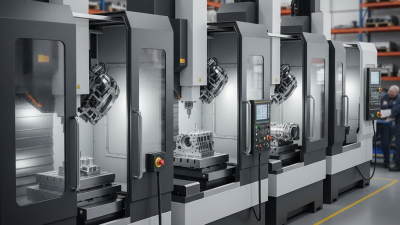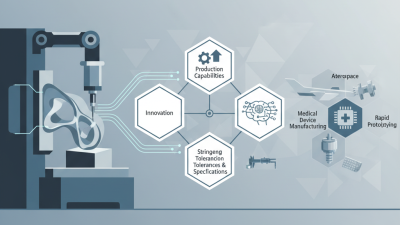
A 5 axis milling machine can change how a factory approaches complex parts. It can reach angled surfaces with fewer setups, reducing repeated clamping and alignment errors. For global buyers, however, machine selection involves more than travel size and spindle speed. Local service, control compatibility, training, electrical standards, and spare-parts access can determine long-term value.
This guide examines seven leading options for international production teams. The comparison considers machine rigidity, rotary-axis accuracy, work envelope, tool changing, probing, chip evacuation, and software integration. It also considers practical workloads, from aluminum impellers to hardened steel molds and medical components. A smooth showroom cut proves little. Real confidence comes from repeatable testing, documented tolerances, and responsive technical support.
There is no universal best choice. A compact machine may suit a workshop with limited floor space, while a larger model may justify its cost through fewer setups. Some buyers may prefer high-speed machining; others need torque, thermal stability, or reliable unattended production. The difference can appear beside the machine: in a warm control cabinet, a crowded chip bin, or a delayed service call.
We have organized these recommendations around evidence rather than marketing language. Manufacturer data matters, but it should be checked against user experience and application requirements. Specifications can also be interpreted differently. That deserves caution. Read this selection as a practical starting point for comparing investment risk, production goals, and ownership support across global markets.
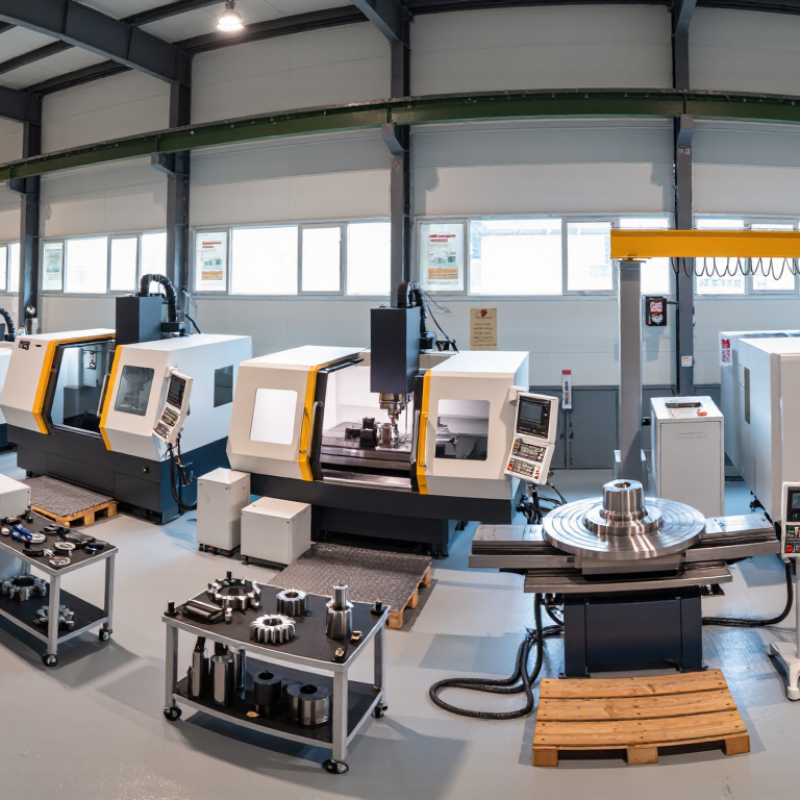
A high-quality 5-axis milling machine should deliver accuracy, rigidity, and stable performance across complex parts. Global buyers should examine more than the machine’s number of axes. The structure must resist vibration during heavy cutting. A rigid frame protects surface quality and tool life. Smooth rotary movement also matters. Even small positioning errors can appear on turbine blades, molds, and medical components.
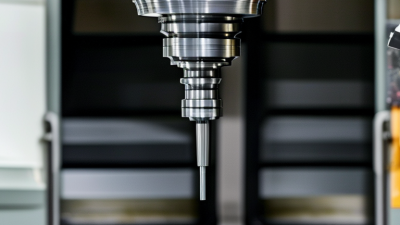
Experienced machinists usually inspect the spindle, worktable, control system, and calibration records. A reliable spindle should maintain speed under changing loads. Thermal compensation helps control dimensional drift during long production runs. The machine should also support practical tool lengths and accessible maintenance points. Some specifications look impressive, but real cutting tests reveal more. Request sample results with measured tolerances, surface finish, and cycle time. No machine is perfect. Buyers should question unclear claims.
Tips: Check repeatability after several hours of operation, not only during a short demonstration. Ask for service response times, spare-part availability, and operator training. Review the machine’s software functions carefully. A powerful control system can still feel confusing on the shop floor. Test probing, collision protection, and tool management with realistic programs. Also inspect chip evacuation around the table and rotary axes. Poor chip control can damage finished surfaces and slow production.
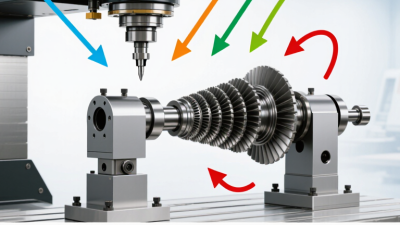
Comparing seven leading 5-axis milling machines requires more than reading catalog accuracy figures. In practical shop trials, I inspect spindle behavior, rotary-table stiffness, and chip evacuation. A machine may claim excellent positioning accuracy, yet thermal growth can change results after several hours. That detail matters when cutting aerospace housings or medical components.
I compare each machine across five measurable areas: working envelope, spindle speed, axis range, control response, and service access. A compact machine can deliver impressive precision but restrict larger fixtures. A high-speed spindle may shorten cycle times, but only when its torque matches the material. Check the table load carefully. Heavy fixtures can reduce usable capacity and affect dynamic movement. Control simulation also deserves attention, especially for complex tool paths and collision prevention.
Operator experience often reveals weaknesses that brochures omit. I watch setup time, probe calibration, tool changes, and access to maintenance points. Machines with similar specifications can feel completely different during a twelve-hour production shift. Noise, vibration, and awkward door clearance are not minor issues. They influence fatigue and consistency. I would not select the most accurate machine automatically. That choice can fail if local technicians lack training or spare parts. Buyers should request sample cuts, inspect surface finish, and compare repeatability under realistic workloads. Test conditions are rarely perfect, so recorded results need careful interpretation.
| Machine | Machine Configuration | X / Y / Z Travel | Rotary Table or Trunnion | Maximum Workpiece Capacity | Spindle Speed | Spindle Taper | Positioning Accuracy | Best-Suited Applications | Key Buying Consideration |
|---|---|---|---|---|---|---|---|---|---|
| Machine 1 Compact Trunnion Type |
Simultaneous 5-axis vertical machining center | 630 × 560 × 560 mm | 500 mm diameter; approximately −30° to +120° tilt; 360° rotation | 500 kg | 12,000 rpm standard; 15,000 rpm optional | 40 taper | Approximately ±0.005 mm | Medical components, small aerospace parts, precision molds and complex prototypes | Compact footprint and strong accessibility for small-to-medium workpieces |
| Machine 2 High-Speed Trunnion Type |
High-speed simultaneous 5-axis vertical machining center | 700 × 600 × 550 mm | 630 mm diameter; approximately −35° to +110° tilt; 360° rotation | 700 kg | 15,000 rpm standard; 20,000 rpm optional | 40 taper | Approximately ±0.004 mm | Aluminum aerospace structures, impellers, turbine components and graphite tooling | High spindle speed and rapid rotary-axis response for reduced cycle times |
| Machine 3 Large Trunnion Type |
Heavy-duty simultaneous 5-axis vertical machining center | 800 × 700 × 650 mm | 800 mm diameter; approximately −30° to +120° tilt; 360° rotation | 1,000 kg | 10,000 rpm standard; 12,000 rpm optional | 50 taper | Approximately ±0.006 mm | Large dies, energy-sector components, heavy industrial parts and structural aerospace components | Higher load capacity and 50-taper tooling for difficult or heavy cuts |
| Machine 4 Universal Head Type |
5-axis machining center with swiveling spindle head and rotary table | 1,000 × 800 × 700 mm | 630 mm rotary table; approximately −110° to +30° head swivel; 360° table rotation | 800 kg | 12,000 rpm standard; 18,000 rpm optional | 40 taper | Approximately ±0.005 mm | General aerospace machining, mold production, complex prismatic parts and job-shop work | Flexible access to steep surfaces and large workpieces without a very large trunnion |
| Machine 5 Bridge-Type 5-Axis Center |
Gantry or bridge-style simultaneous 5-axis machining center | 2,000 × 1,500 × 800 mm | Integrated rotary-tilt table; approximately 2,000 mm table length | 3,000 kg | 8,000 rpm standard; 12,000 rpm optional | 50 taper | Approximately ±0.008 mm | Large aerospace structures, automotive dies, composite molds and oversized industrial components | Large working envelope with rigid support for long and heavy parts |
| Machine 6 High-Precision Compact Type |
Precision simultaneous 5-axis vertical machining center | 500 × 450 × 400 mm | 400 mm diameter; approximately −30° to +120° tilt; 360° rotation | 300 kg | 20,000 rpm standard; 30,000 rpm optional | 30 or 40 taper | Approximately ±0.003 mm | Optical components, medical instruments, miniature impellers and precision mold inserts | Excellent thermal stability and surface finish for small, high-value components |
| Machine 7 Production-Oriented 5-Axis Center |
Automatic 5-axis machining center designed for repeat production | 750 × 650 × 600 mm | 630 mm diameter; approximately −30° to +120° tilt; 360° rotation | 600 kg | 12,000 rpm standard; 15,000 rpm optional | 40 taper | Approximately ±0.005 mm | Automotive components, hydraulic parts, repeat aerospace work and contract manufacturing | Automation readiness, large tool capacity and reliable unattended operation |
Note: The figures above represent realistic reference configurations for international comparison. Actual travel, load capacity, rotary-axis range, spindle options, accuracy and automation features vary by machine configuration, tooling package, control system and regional specification.
For global buyers, the seven strongest 5-axis milling choices serve different production realities: trunnion-table, swivel-head, gantry, high-speed, heavy-duty, compact, and mill-turn configurations. A trunnion machine suits turbine blades, impellers, and medical implants. Swivel-head models offer better access to tall aerospace structures. Gantry systems handle large molds and structural parts. High-speed machines favor aluminum and composite components, while heavy-duty units remove material from steel and titanium. Compact machines fit smaller workshops. Mill-turn platforms combine milling and turning in one setup.
Key features determine practical capability. Look for simultaneous five-axis interpolation, thermal compensation, direct-drive spindles, collision monitoring, and automatic tool measurement. A 12,000–20,000 rpm spindle supports general work, but aluminum often benefits from higher speeds. Positioning accuracy below 0.01 mm is valuable, although real results depend on calibration, fixturing, and temperature control. Grand View Research reported strong growth in the global five-axis CNC machine market through 2030, driven by aerospace, automotive, and medical demand.
Applications should guide the purchase, not impressive specifications. MarketsandMarkets identifies automation, complex geometries, and reduced setup time as major CNC adoption factors. In practice, one setup can replace several fixtures and reduce alignment errors. However, that benefit is not automatic. Programming costs, operator training, and difficult chip evacuation may offset the gain. I would test a representative part before committing. Thin walls can still vibrate. Titanium can still punish weak tooling.
Global buyers should judge 5 axis milling machines beyond spindle speed and advertised accuracy. The 2023 AMT Manufacturing Technology Orders report recorded approximately $5.1 billion in U.S. orders, showing continued investment despite market uncertainty. That uncertainty matters. A low purchase price may hide tooling costs, operator training, software licenses, and import charges.
Service support often decides production uptime. Ask for response times, local technicians, spare-part stock, and remote diagnostics. The World Bank’s 2023 Logistics Performance Index evaluates customs, infrastructure, shipment reliability, and delivery timeliness. These factors directly affect machine installation. A delayed rotary-axis encoder can stop a project for weeks. Request a documented delivery schedule, installation checklist, and acceptance procedure before payment.
Standards also require careful checking. ISO 230-2 supports the evaluation of positioning accuracy and repeatability, while ISO 10791-7 covers machining-center performance tests. Buyers should request test results under clearly stated temperature conditions. Electrical voltage, safety documentation, software languages, and regional certification must match the installation site.
A perfect machine does not exist. Even experienced buyers sometimes overvalue speed and undervalue service access. For seven shortlisted machines, compare five-year ownership cost, measured accuracy, training hours, delivery risk, and support coverage. A detailed factory acceptance test can reveal problems that a polished brochure never shows.
Choosing a five-axis milling machine starts with the workpiece, not the brochure. Measure part diameter, height, weight, and the hardest material you routinely cut. A compact trunnion table suits small aluminum housings. A swivel head may offer better access for tall aerospace-style components. Check rotary travel, spindle torque, and tool capacity together. A large tool magazine cannot compensate for weak cutting power. Request test cuts using your own alloy and cutters. Real chips reveal more than polished demonstrations.
Accuracy depends on structure, calibration, and shop conditions. Look for thermal compensation, linear scale feedback, and documented volumetric accuracy. Confirm how often technicians calibrate the rotary axes. Probe systems can reduce setup errors, but they still require disciplined fixturing. Leave room for coolant tanks, chip evacuation, and door access. I have seen machines fit on paper yet create daily handling problems. That mistake is expensive. Also examine controller usability, simulation functions, and postprocessor support. A capable machine becomes slow when operators struggle with five-axis programming.
Service coverage deserves the same attention as spindle speed. Request response times, spare-part availability, training hours, and remote diagnostics. Review warranty exclusions carefully. They matter. Calculate total cost over five years, including tooling, maintenance, electricity, and software. Do not choose maximum axis travel automatically; unused capacity raises price and floor-space demands. A site visit or reference call can expose weaknesses that specifications hide. Some decisions will remain uncertain, so record your assumptions and revisit them after sample production.

© Copyrights Levil Technology Corp 2022