How to Choose the Right Vertical Milling Machine

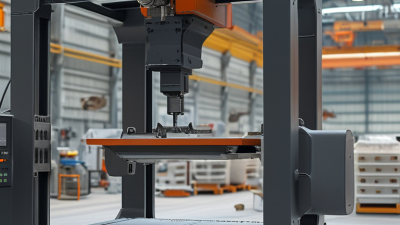
Choosing a vertical milling machine starts with the work you need it to do, not the largest horsepower figure on a brochure. Consider the materials, part dimensions, tolerances, and production volume you handle. A small repair shop cutting aluminum has different needs from a production floor machining steel every day. The right fit matters.

Look closely at the machine’s table size, spindle speed range, quill travel, and available axis movement. These figures show whether it can reach the work and maintain a suitable cutting speed. Check the machine’s rigidity, too. A heavy column and well-supported table can help reduce vibration, especially during demanding cuts. Still, published specifications do not tell the whole story. Ask how the machine performs under realistic loads, and request clear documentation.

Also compare tooling, controls, electrical requirements, installation needs, and local service support. A lower purchase price may not reflect the cost of tooling, maintenance, or downtime. If possible, inspect a running machine and test a sample cut with material like yours. Watch for chatter, uneven finishes, or awkward tool changes. Small details count.

There is no universal best choice. A machine that suits one shop may consume too much floor space or lack capacity in another. Be honest about future plans, but avoid paying for features you may never use. That trade-off is easy to underestimate. Build a shortlist from verified specifications, then confirm the details with the supplier before deciding.
How to Choose the Right Vertical Milling Machine

Understand the Main Types of Vertical Milling Machines

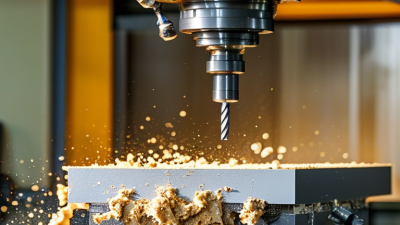
Vertical milling machines share an upright spindle, but their structures suit different work. A turret or knee mill offers a movable table and flexible manual control. It works well for repairs, prototypes, and varied, low-volume parts. A bed-type mill supports heavier cuts with a more rigid table. Choose it for larger workpieces and repeatable machining. A vertical machining center, or VMC, adds CNC control and automatic tool changes. It suits recurring jobs that need consistent positioning and several cutting operations.

The differences matter at the machine, not just on a spec sheet. Check the part’s height against spindle clearance, and compare table load with the workpiece and fixture combined. For deep cuts, rigidity and spindle power matter more than a long list of features. Deloitte and The Manufacturing Institute estimated that 1.9 million U.S. manufacturing jobs could go unfilled by 2033. That makes training and easy-to-understand controls practical selection factors, too. Still, automation cannot fix a poor fixture or an unsuitable cutter.

Tips: Bring a sample part and its drawing to a machine demonstration. Ask the operator to show tool changes, workholding, and a real cut. Watch for vibration at the part’s edges. A machine that looks capable may still be awkward to set up. That detail is easy to overlook.
How to Choose the Right Vertical Milling Machine

Understand the Main Types of Vertical Milling Machines

Spindle speed is one factor to consider when choosing a machine. Turret and bed mills suit many conventional cutting tasks, while vertical machining centers offer a broad range of speeds for varied production work. High-speed VMCs are designed for applications that benefit from faster spindle speeds. Values shown are representative upper-end specifications, not fixed limits; actual speeds vary by machine configuration. Also compare work envelope, rigidity, controls, tooling, and the materials you plan to machine.

Define the Materials, Parts, and Operations You Need to Handle

Choose a vertical milling machine by listing the materials, part sizes, and operations it must handle—not by starting with spindle horsepower. A 25-millimeter aluminum plate needs different cutting conditions from a steel block. Note the largest workpiece, its weight, and the reach required to machine its far edge. Small details matter. Include hole depth, slot width, surface finish, and tolerance; these requirements determine whether the table travel, spindle range, and machine rigidity are adequate.

Then describe the actual work mix. Will you face surfaces, drill patterns, cut pockets, or machine angled features? A job with frequent tool changes may benefit from a tool changer, while short runs may favor simpler setups. If production could later use automated loading, check interface and guarding options now. The International Federation of Robotics’ World Robotics 2024 report recorded 541,302 industrial robots installed worldwide in 2023. That figure does not predict your shop’s needs, but it shows why automation compatibility deserves a place in the discussion.

Match capacity to evidence from your own jobs: sample drawings, materials, annual quantities, and the tightest tolerance. Deloitte and MAPI’s 2024 Smart Manufacturing survey found that 86% of surveyed manufacturing executives expect smart manufacturing to drive competitiveness within five years. Connectivity may help, yet it cannot compensate for insufficient rigidity or travel. The awkward part? Forecasts are imperfect. Keep some margin for future work, but challenge every feature that adds cost without serving a real operation.

Compare Worktable Size, Spindle Capacity, and Machine Travel

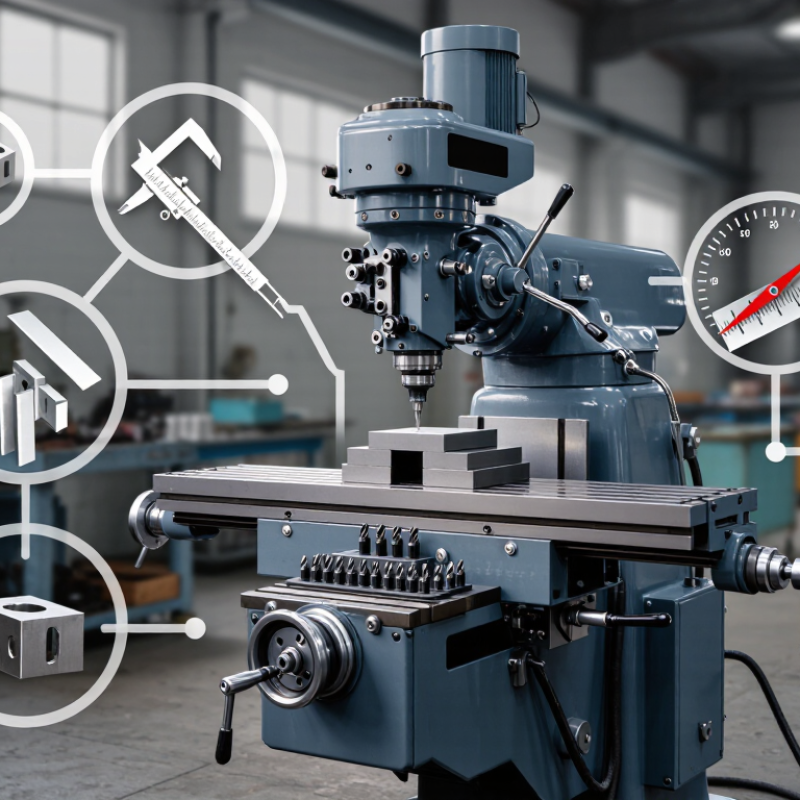
Choosing a vertical milling machine starts with the parts you expect to make, not the largest number on a specification sheet. Measure the workpiece and fixture together. A 500 mm table may look generous, but clamps and a rotary fixture can consume useful space quickly. Check table width, length, load rating, and T-slot spacing. That matters.

Spindle capacity affects which cutters and holders the machine can use. Confirm the spindle taper, speed range, and available power. Small cutters often need higher speeds, while larger face mills benefit from torque at lower speeds. Consider the materials you actually cut. A machine with high spindle speed may still feel underpowered on broad, demanding cuts.

Machine travel describes how far the table and spindle can move along each axis. Compare those figures with the full cutting path, not just the part’s dimensions. A long component may fit on the table yet exceed the machine’s usable travel once the tool approaches its edges. Leave room. Account for fixtures, tool length, and safe approach distances. I would recheck these measurements against a real setup drawing; catalog figures can be easy to misread, and a small clearance error can limit a job.

Evaluate Power, Precision, Controls, and Compatibility

How to Choose the Right Vertical Milling Machine
Evaluate Power, Precision, Controls, and Compatibility

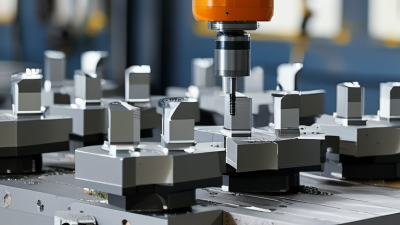
Match spindle power to the materials and cutters you actually use. A machine cutting steel all day needs different capacity from one trimming aluminum parts. Check spindle speed range, low-speed torque, and duty rating. Numbers matter. So does the workpiece. For precision, inspect spindle runout, table movement, and backlash across the full travel. Ask for test data, not only brochure claims. Small variations can become visible across a long row of holes.

Tips: Bring a drawing of a typical part and list its material, largest cutter, and tightest tolerance. Ask for a comparable test cut. Watch for vibration, chatter, and how smoothly the feed handles a corner. A practical demonstration may reveal more than a polished specification sheet.

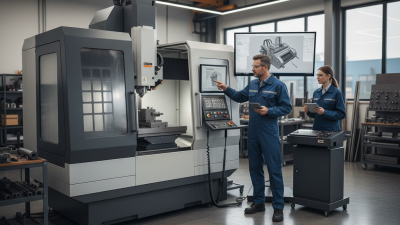
Choose controls that suit the operator’s skill and production rhythm. Manual feeds offer direct feel; digital readouts help repeat positions; programmable controls can reduce repetitive setup, but need training. Confirm compatibility with your existing tooling, holders, vise, and power supply. Measure floor space and door clearance, too. A common oversight is choosing a machine whose table cannot clear nearby equipment. Leave room for maintenance and chip removal, and verify service access before committing.

How to Choose the Right Vertical Milling Machine: Evaluate Power, Precision, Controls, and Compatibility

Machine Configuration Typical Spindle Power Typical Spindle Speed Typical Positioning Accuracy Controls and Operation Workpiece and Tool Compatibility Best Suited For
Manual knee mill Approximately 1.5–3 kW (2–4 hp) About 60–4,200 rpm, depending on gearing and drive Operator- and condition-dependent; often around 0.05–0.10 mm for practical positioning Handwheels, mechanical feeds, and manual speed selection; requires skilled operator input Small to medium parts, common vise and clamping setups, and conventional end mills or face mills Repair work, toolrooms, one-off parts, and basic training
Power-feed knee mill Approximately 2–5.5 kW (3–7.5 hp) About 60–4,500 rpm Operator- and machine-condition-dependent; DRO-equipped setups can support repeatable positioning to roughly 0.02–0.05 mm Manual controls with powered table feed; a digital readout may be fitted Small to medium parts; check table travel, spindle taper, and available feed rates against the job Small production runs and general-purpose workshop work
CNC knee mill Approximately 3–7.5 kW (4–10 hp) About 60–6,000 rpm Commonly around 0.01–0.03 mm, subject to machine condition, measurement method, and setup Programmable axis movement, often with manual-operation modes; capability varies by control and axis configuration Repeat jobs and contoured parts; verify axis travel, tool-holding system, and program compatibility Shops needing repeatable work without a full machining-center setup
Vertical machining center (VMC) Approximately 7.5–22 kW (10–30 hp) About 6,000–15,000 rpm; high-speed options may exceed this range Typical positioning accuracy is roughly 0.005–0.02 mm; actual results depend on machine specification and test conditions CNC control, automatic tool changer, and coordinated multi-axis motion are common Production parts and multi-tool operations; confirm table load, travel, tool magazine, taper, and coolant requirements Repeat production, complex features, and jobs requiring several tools
Compact CNC vertical mill Approximately 2.2–7.5 kW (3–10 hp) About 6,000–12,000 rpm Often around 0.005–0.02 mm, depending on construction, calibration, and operating conditions CNC operation with a smaller work envelope; tool changing may be manual or automatic Small components and limited-floor-space installations; check part envelope, spindle taper, and tooling availability Prototyping, education, and small-part production

Figures are indicative ranges, not guaranteed specifications. Compare manufacturer documentation for the exact model, and verify power rating, accuracy test method, work envelope, table load, spindle taper, electrical supply, and control compatibility before purchase.

Assess Safety Features, Maintenance Needs, and Total Cost

How to Choose the Right Vertical Milling Machine

Safety features deserve a hands-on check, not a quick glance at a product sheet. Inspect the spindle guard, emergency stop, and access doors for sturdy construction and easy reach. If an interlock is fitted, confirm it prevents operation when a guard is open. A clear view of the cutter and workpiece also helps operators spot problems early. Keep the machine powered off during inspections.

Maintenance needs can shape everyday productivity. Ask how often the mill needs lubrication, belt checks, and spindle inspection, then confirm those tasks are practical to perform. Look for accessible service points and clear maintenance instructions. Chips packed under way covers can accelerate wear, so check how easily they can be cleaned. Small costs accumulate. A simple maintenance log helps, though it may be ignored during a busy week; that is a real weakness in many shops.

Compare total cost, not just the purchase price. Include tooling, installation, electrical work, operator training, and planned servicing. Check whether the floor and available power can support the machine without costly changes. Ask how long common replacement parts take to obtain, since downtime has a cost too. A lower-priced mill may need more setup or repairs. It is tempting to assume those expenses will stay small, but estimates are often imperfect; build in a reasonable contingency.