2026 Top Vertical Milling Machine Types for Global Buyers
The 2026 vertical milling machine market is becoming more specialized, connected, and difficult to compare. Global buyers now assess spindle speed, table travel, control systems, energy use, and after-sales support together. A low purchase price can hide expensive tooling, training, downtime, and delayed spare parts.
Reports from Gardner Intelligence, VDW, and the International Federation of Robotics show continued investment in advanced manufacturing equipment. Their findings point toward stronger demand for automation, digital monitoring, and flexible production. Grand View Research also identifies smart manufacturing and computer numerical control as important machine-tool growth drivers. These reports do not always separate vertical milling machine sales clearly. That limitation deserves attention.
Dr. Tony Schmitz, a recognized authority on machining dynamics, offers a useful principle: “Stable cutting is the foundation of reliable machining.” Buyers should remember it. A powerful spindle cannot compensate for chatter, weak workholding, or poor tool selection. On a factory floor, the difference may appear as a rough aluminum surface, a broken carbide insert, or an operator stopping production to inspect vibration marks. This guide compares the leading vertical milling machine types for global buyers in 2026. It considers production scale, material requirements, automation readiness, maintenance access, and regional service capability. Some classifications overlap, and no single machine suits every workshop. That is the uncomfortable part. The best choice usually depends less on impressive specifications and more on repeatable results, documented support, and the buyer’s actual operating experience.
What Is a Vertical Milling Machine and How Does It Work?
What Is a Vertical Milling Machine and How Does It Work?
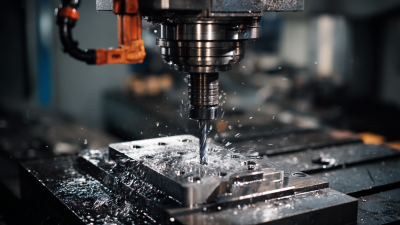
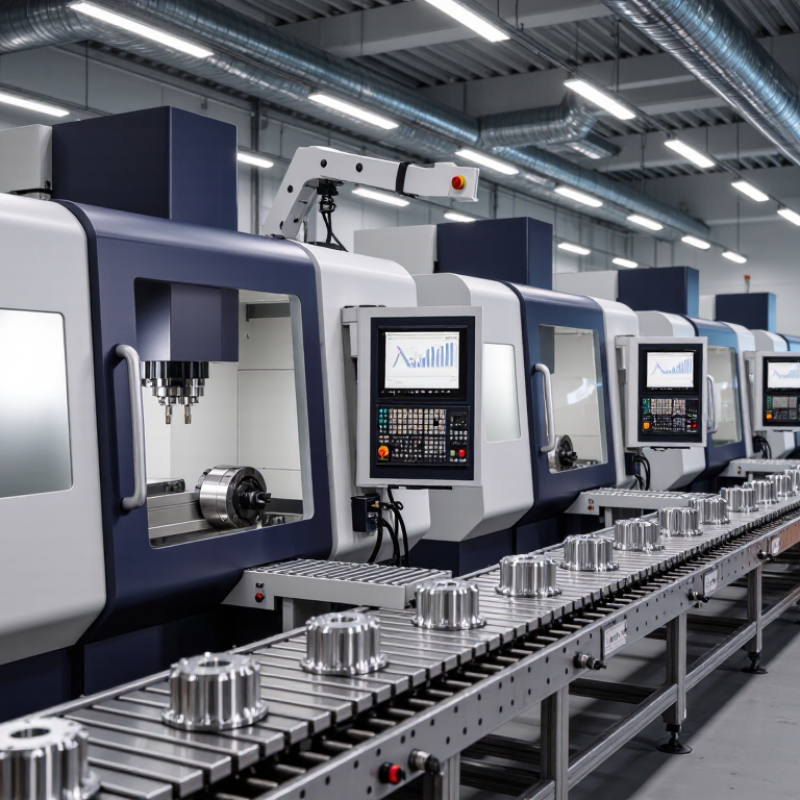
A vertical milling machine removes material with a rotating cutter positioned above the workpiece. Its spindle travels vertically, while the table moves across multiple axes. Operators secure metal in a vise, set cutting speed, then guide the table beneath the tool. The cutter may create slots, pockets, flat faces, or angled surfaces.
It is not magic. It is controlled force, geometry, and careful measurement.
In a typical shop, chips curl away from the cutter while coolant cools the contact zone.
Modern vertical mills increasingly use computer numerical control for repeatable movement. Grand View Research estimated the global machine tools market at about USD 86.9 billion in 2023, with continued growth expected through 2030. This wider market includes milling, turning, grinding, and other equipment. The figure does not represent vertical mills alone. Buyers should not confuse it with a machine-specific forecast. That distinction matters.
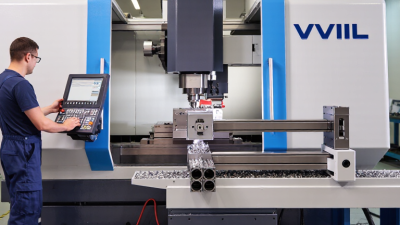
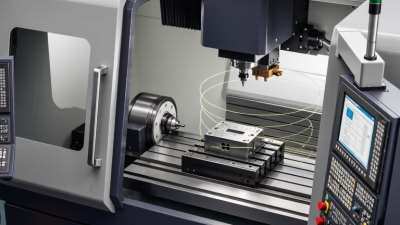
A CNC vertical mill reads programmed coordinates and converts them into spindle and table movements. The machine can repeat a hole pattern far more consistently than manual operation. However, accuracy still depends on tool condition, workholding, thermal stability, and operator setup. Poor clamping can leave visible chatter marks on an otherwise precise part.
541,302
new industrial robot installations worldwide in 2023
A 2024 International Federation of Robotics report recorded 541,302 new industrial robot installations worldwide in 2023, showing stronger automation demand around production equipment. Yet automation cannot correct a wrong datum. Experienced buyers should check spindle taper, travel range, power, control functions, and service support before comparing prices. Some specifications look impressive but perform poorly under real cutting loads.
Key Vertical Milling Machine Types Available in 2026
In 2026, global buyers can choose from several vertical milling machine types. Each design suits a different production environment. Knee mills remain practical for maintenance shops, training rooms, and low-volume work. Their adjustable tables help operators handle varied parts without complex programming. They also offer familiar controls. That still matters.
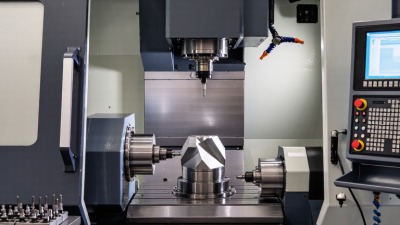
Turret mills provide flexible spindle movement and support drilling, slotting, and face milling. Bed mills use a fixed head and stronger table structure for heavier cuts. CNC vertical mills deliver repeatable accuracy and faster production for demanding batches. Five-axis vertical machining centers reach angled surfaces with fewer setups. This can reduce handling time, but programming expertise becomes more important. A machine can be powerful and still be poorly matched to the job.
Tips: Check spindle speed, table travel, tool capacity, and motor power against real parts. Ask for test cuts using your material and tooling. Verify electrical standards, operator training, service response, and spare-part availability. Do not judge a machine by price alone. A lower-cost model may require more setup time, which quietly increases labor expenses. Buyers should also inspect chip control and guarding during demonstrations. These details often reveal daily usability better than polished specifications. I have seen teams overestimate five-axis benefits when their parts only need three-axis work. That mistake is easy to make, especially when future orders remain uncertain.
How to Compare Vertical Milling Machines for Different Applications
When comparing vertical milling machines, match the machine to the work, not only the advertised power. A compact bench mill suits prototypes, repair parts, and light aluminum work. A rigid turret mill handles steel components, slots, and repeated workshop jobs. For deeper cuts, choose a heavier knee mill with stronger spindle support and a wider table.
Review spindle speed, taper size, table travel, and load capacity together. High speed helps aluminum and small cutters. Lower speed with strong torque supports steel and larger tools. Check the feed system carefully. Manual feeds give direct control, while powered feeds improve consistency during longer cuts. CNC control can reduce repetitive errors, but it requires trained operators and reliable maintenance.
I always inspect the machine’s rigidity before judging its specifications. Place a dial indicator on the spindle and check movement under light pressure. Excessive play may appear during cutting, even when the brochure looks impressive. Ask about electrical requirements, installation space, coolant handling, and spare-part support in your region. Global buyers should verify voltage, safety documentation, and operator training before ordering. These details can affect the real purchase cost.
Cost comparisons also need realistic tooling estimates. A machine without suitable holders, vises, cutters, and measuring tools may remain unused. Consider batch size, material hardness, floor space, and expected accuracy. I have seen buyers select oversized machines for occasional work, then struggle with energy use and maintenance. Sometimes, a simpler mill is the more dependable choice.
Important Features, Controls, and Performance Specifications
2026 Top Vertical Milling Machine Types for Global Buyers
Vertical milling machines increasingly combine rigid cast frames, high-speed spindles, and digital controls. The key choice is not spindle speed alone. A 10,000 rpm spindle may suit aluminum, while hardened steel often needs higher torque at lower speed. The U.S. Department of Energy reports that motor-driven systems consume more than half of industrial electricity, making motor efficiency and variable-speed control important purchasing factors. Buyers should compare spindle power, continuous torque, taper size, table load, axis travel, and coolant capacity.
Control quality directly affects daily output. Look for conversational programming, standard G-code compatibility, tool-length offsets, probing cycles, alarm history, and clear recovery procedures. ISO 230-2 provides a recognized method for checking positioning accuracy and repeatability, so suppliers should provide test results rather than broad accuracy claims. In practice, repeatability below 0.01 mm can support precise production, but thermal growth may change results during long cycles. Small details matter.
The 2024 World Machine Tool Survey from Gardner Intelligence links machine-tool demand closely with manufacturing investment and regional production activity. That supports selecting serviceable, configurable equipment for local conditions. I have seen buyers overvalue maximum rpm and undervalue table rigidity. A bigger spindle is not always better. Review acceleration, feed stability, chip evacuation, and control response under real cutting loads. Some specifications still look impressive on paper, yet require careful verification.
2026 Top Vertical Milling Machine Types for Global Buyers
Important features, controls, and representative performance specifications
The chart compares common maximum spindle-speed specifications across major vertical milling machine types. Values are representative nominal figures commonly found in published industrial specifications and may vary by configuration, tooling, motor power, and application.
Manual Knee Mill
Handwheel controls, basic DRO capability, flexible setup, and typical speeds up to approximately 3,600 rpm.
Turret Mill
Quill-based drilling and milling, swiveling head, manual or power table feed, and speeds commonly near 4,200 rpm.
Bed-Type Mill
Rigid fixed-head construction, larger workpieces, heavier cuts, and typical spindle speeds around 5,000 rpm.
CNC Vertical Machining Center
G-code control, automatic tool changing, coolant systems, and common spindle speeds up to approximately 12,000 rpm.
High-Speed VMC
High-speed spindles, rapid traverse, fine interpolation, and typical maximum speeds near 20,000 rpm.
5-Axis Vertical Mill
Simultaneous multi-axis motion, rotary or trunnion tables, advanced CNC controls, and speeds commonly around 18,000 rpm.
How Global Buyers Can Select the Right Vertical Mill
Global buyers face many vertical milling machine types, including turret, bed, CNC, and five-axis models. The right choice depends on workpiece size, tolerance, material, and production volume.
Start with the job, not the machine. Measure the largest part, clamping area, and required tool reach. A compact turret mill suits repairs, prototypes, and varied low-volume work. A bed mill offers greater rigidity for heavier steel components. CNC models improve repeatability, but they need trained operators and reliable programming support. Five-axis equipment can reduce setups for complex parts, although its cost and learning curve may surprise smaller workshops.
Check spindle speed, motor power, table travel, and maximum load together. One impressive specification proves little. During practical evaluations, buyers should inspect sample cuts, surface finish, chip control, and thermal stability. Ask for test records, installation requirements, maintenance schedules, and spare-part availability. Service response matters when a machine stops during a production run.
Do not ignore the factory environment. Confirm voltage, floor strength, temperature control, coolant handling, and available lifting equipment. A machine may perform well in a showroom but struggle beside dust, vibration, or unstable power.
I have seen buyers overvalue automation and undervalue operator training. That decision can create avoidable downtime. Request realistic demonstrations using similar materials and tooling. Review the results with machinists, maintenance staff, and production managers before approving the purchase.