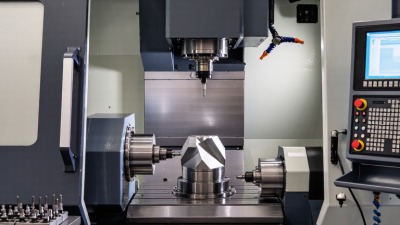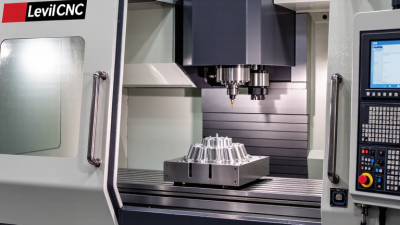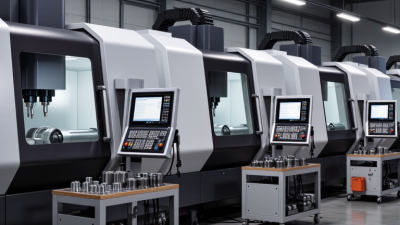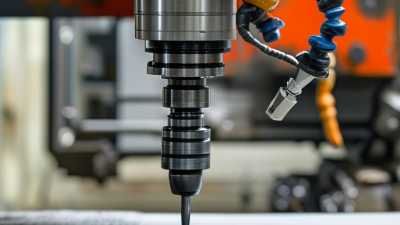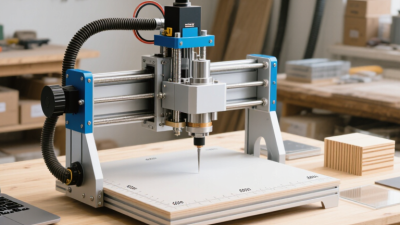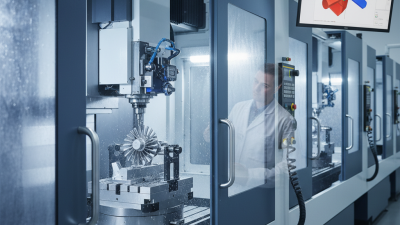
Choosing the right levil cnc machine begins with production reality, not a glossy specification sheet. A workshop cutting aluminum brackets needs different capabilities from a factory machining hardened steel molds. The decision should connect material, part size, tolerance, production volume, and operator skill. It should also consider installation space, electrical capacity, coolant handling, and maintenance access. Small details matter. A poorly placed chip conveyor can complicate daily cleaning.
Industry data supports a careful approach. Grand View Research describes the global CNC machine market as a major expanding manufacturing segment, driven by automation, precision requirements, and smart-factory investment. The International Federation of Robotics reported 541,302 industrial robots installed worldwide in 2023, showing how strongly manufacturers are pursuing repeatable production. However, automation does not automatically create profit. Energy use, tooling costs, programming time, downtime, and technician availability can change the final calculation. The best levil cnc choice is therefore the machine that fits the complete workflow.
This guide will examine spindle power, axis travel, control systems, accuracy, workholding, and after-sales support. It will also compare purchase price with total cost of ownership. A lower-priced machine may appear attractive, yet frequent alignment work can quietly reduce output. That risk deserves attention. I cannot honestly claim one model suits every business. Production evidence, supplier responsiveness, and a practical test cut should influence the final decision. A machine that produces clean edges at 8 a.m. must still perform consistently after a demanding week.
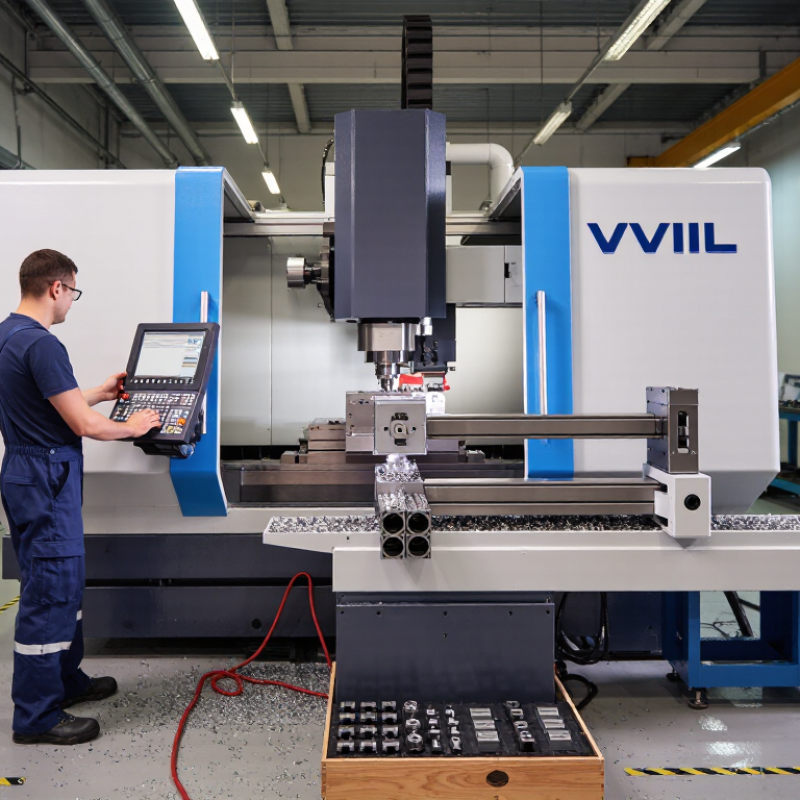
Choosing the right CNC machine begins with your production needs, not the machine’s appearance. Examine your daily workload, material types, part dimensions, and required tolerances. A small workshop making aluminum brackets needs different capabilities from a factory producing steel housings.
Define your machining goals clearly. Record the average batch size, cutting time, surface finish, and acceptable variation for each part. A machine with a suitable spindle speed, work envelope, and tool capacity can reduce unnecessary setup changes. Check whether the control system supports your operators’ current skills. Complex features are useful only when your team can apply them confidently.
Speak with experienced machinists before purchasing. They can identify practical issues, such as difficult chip removal, awkward access for maintenance, or insufficient fixture space. Ask suppliers for test cuts using your actual material and drawings. Measure the finished parts afterward, rather than trusting specifications alone. That extra step matters.
Your budget should include tooling, training, inspection equipment, service, and electricity. A lower purchase price may create higher costs later. I have seen teams focus heavily on speed and overlook setup time. That mistake can weaken real productivity. Leave room for future work, but avoid paying for capacity you may never use. Recheck your assumptions after reviewing recent orders, because production plans often change faster than expected.
| Business Requirement | Typical Production Profile | Recommended CNC Configuration | Key Specifications to Consider | Main Benefit | Planning Priority |
|---|---|---|---|---|---|
| Prototype and Custom Parts | Low-volume work with frequent design changes and a wide range of materials. | Flexible 3-axis vertical machining center with a compact footprint. | Work envelope suitable for the largest planned part, spindle speed around 8,000–12,000 rpm, and easy program transfer. | Lower initial investment and faster changeovers. | Flexibility |
| Small-Batch Production | Repeated orders with several part numbers and moderate setup frequency. | 3-axis or 4-axis machining center with probing and tool measurement. | Tool capacity of approximately 16–30 tools, automatic work offsets, coolant management, and reliable chip removal. | Reduced setup time and improved repeatability between batches. | Changeover efficiency |
| High-Volume Production | Stable part designs, long production runs, and consistent daily demand. | Production machining center with automatic tool changing and automation readiness. | High rapid-traverse capability, rigid structure, 20–40 tool capacity, pallet or robotic loading options, and process monitoring. | Higher machine utilization and lower labor content per part. | Throughput |
| Complex Multi-Sided Parts | Parts requiring machining on multiple faces or several angular surfaces. | 4-axis or 5-axis machining center, depending on geometry and tolerance requirements. | Rotary-axis load capacity, axis travel, collision avoidance, post-processor compatibility, and adequate spindle clearance. | Fewer setups, shorter production time, and improved feature-to-feature accuracy. | Part access |
| Large Components | Oversized workpieces, long components, or heavy fixtures. | Large-bed vertical or horizontal machining center with an appropriately rated table. | Table dimensions, maximum workpiece weight, axis travel, floor space, door clearance, and foundation requirements. | Safe workholding and reduced need for secondary operations. | Capacity |
| Tight-Tolerance Components | Parts requiring stable dimensions, controlled thermal behavior, and repeatable inspection results. | Rigid machining center with thermal compensation and in-process measurement options. | Machine rigidity, positioning accuracy, repeatability, temperature control, probing, and calibration support. | More consistent quality and fewer rejected parts. | Accuracy |
| Aluminum and Non-Ferrous Materials | Light alloys, plastics, or other materials where material removal rate and surface finish are important. | High-speed machining center with suitable spindle power and chip evacuation. | Spindle speed commonly above 12,000 rpm, through-spindle or high-flow coolant where appropriate, and adequate chip management. | Shorter cycle times and improved surface finish. | Speed |
| Steel and Difficult Materials | Frequent cutting of steel, stainless steel, hardened alloys, or other high-load materials. | Rigid machining center with a high-torque spindle and controlled cutting parameters. | Spindle torque, motor power, structural rigidity, coolant delivery, cutting-tool compatibility, and vibration control. | Stable cutting performance and longer tool life. | Cutting force |
| Unattended or Lights-Out Operation | Extended production periods with limited operator supervision. | Automation-ready machining center with monitoring and recovery functions. | Automatic tool life management, broken-tool detection, chip control, remote alerts, and safe workholding. | More productive machine hours and reduced operator intervention. | Automation |
| Limited Workshop Space | Restricted floor area, limited power supply, or difficult material-flow conditions. | Compact machining center sized around the actual part envelope and production volume. | Overall machine dimensions, service access, electrical load, coolant-system footprint, and material-handling route. | Efficient use of facility space and simpler installation. | Space efficiency |
| Growing Production Demand | Current demand is moderate, but order volume and product variety are expected to increase. | Scalable machining center with automation, networking, and additional-axis upgrade options. | CNC control capability, spare I/O capacity, data connectivity, expansion options, and service availability. | Protects the investment as production requirements change. | Scalability |
Note: The specification ranges shown are general planning references. Final machine selection should be verified against the actual part dimensions, materials, tolerances, tooling, cycle-time targets, facility conditions, and automation requirements.