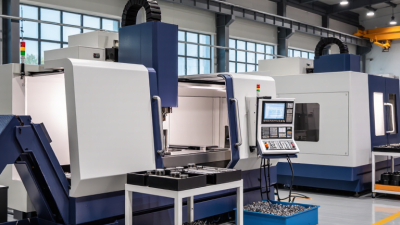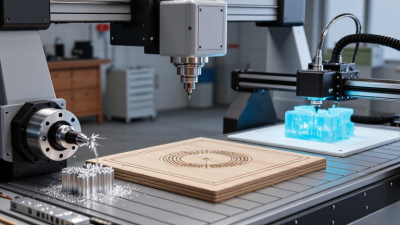
Choosing a 3 axis cnc milling machine is less about finding the biggest spindle and more about matching capacity to real work. A compact shop making aluminum brackets has different needs from a supplier cutting steel plates all day. Buyers should compare work envelope, spindle speed, table load, positioning accuracy, and control-system usability. Those details shape daily productivity.
This guide reviews seven machines for global buyers, with attention to practical differences rather than headline specifications alone. A larger table can be useful, but it may demand more floor space, power, and installation planning. Check tool capacity, chip removal, guarding, and the availability of replacement parts. Ask suppliers for sample cuts or references from applications similar to yours. Small details matter.
Ownership costs deserve equal attention. Freight, commissioning, operator training, warranty coverage, and local technical support can change the value of a purchase. Confirm the machine’s electrical requirements and documentation with the supplier before ordering. Requirements can vary by destination and installation site. Not every shop agrees on what matters most. Some buyers prioritize speed; others need steady accuracy across long production runs. That judgment is imperfect, because machine performance depends on tooling, maintenance, material, and operator skill. Use this shortlist as a starting point, then verify specifications against your parts and budget. A careful comparison can prevent an expensive mismatch.
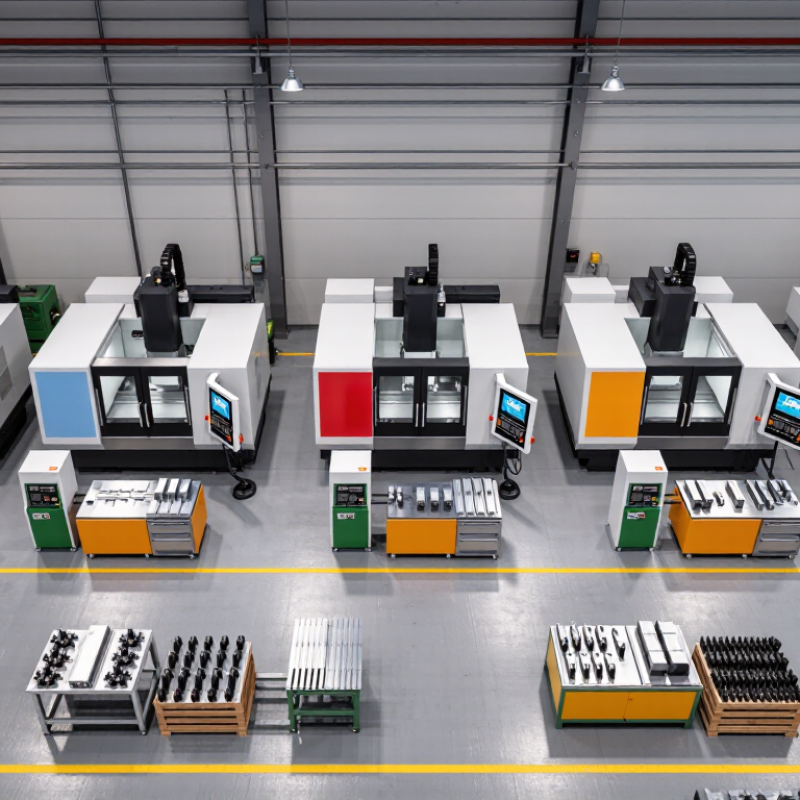
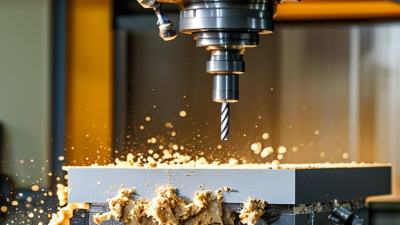
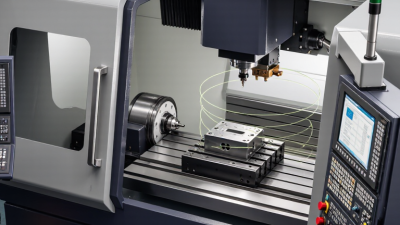
A three-axis CNC milling machine moves its cutting tool along the X, Y, and Z axes. These directions correspond to left-right, front-back, and up-down motion. The workpiece is clamped to a stationary table while the spindle rotates an end mill or other cutter. A programmed toolpath guides the cutter through the material, removing small amounts with each pass. The machine follows numerical coordinates, but the setup determines where those coordinates sit on the real part.
An operator typically secures the stock, sets the work offset, and checks that the tool length is measured correctly. A face mill can level a surface; an end mill can cut a slot, pocket, or outside contour. For example, a shallow rectangular pocket may be machined with several passes, each lowering the tool slightly. That matters. Chips, tool wear, and loose fixturing can affect the finish, even when the program is correct.
Three-axis machines suit many flat or prismatic parts, but the cutter approaches from one direction at a time. Undercuts and features on multiple sides may require repositioning the workpiece or using additional equipment. Repositioning can introduce alignment errors, so careful inspection remains important. Setup is critical. A test cut in scrap material can reveal an incorrect offset or an unexpected tool mark before valuable stock is machined.
| Machine Type | Typical XYZ Travel (mm) | Typical Strengths | Common Materials | Best Suited For |
|---|---|---|---|---|
| Benchtop CNC Mill | X: 200–600 Y: 150–400 Z: 100–300 |
Compact footprint and relatively simple installation; generally intended for smaller parts and lighter cuts. | Plastics, wood, wax, and light cuts in aluminum or other non-ferrous metals, depending on machine rigidity. | Education, prototyping, small workshops, and buyers with limited floor space. |
| Compact Vertical Machining Center (VMC) | X: 500–800 Y: 400–500 Z: 350–500 |
Enclosed work area and vertical spindle; offers more rigidity and production capability than most benchtop machines. | Aluminum, plastics, and steel within the machine’s rated cutting capacity. | Small manufacturers producing precision components in modest batch sizes. |
| General-Purpose VMC | X: 800–1,200 Y: 500–700 Z: 500–700 |
Versatile work envelope for common prismatic parts; tool changers are available on many configurations. | Aluminum, steel, stainless steel, and engineering plastics, subject to tooling and machine specifications. | Job shops and production facilities needing a flexible machine for a broad range of parts. |
| High-Speed VMC | X: 400–1,000 Y: 300–600 Z: 300–500 |
Designed for fast, precise machining; spindle speed, acceleration, tooling, and thermal control affect performance. | Aluminum, plastics, graphite, and other materials suited to high-speed cutting with appropriate tooling. | Detailed components, mold work, electronics parts, and applications where surface finish and cycle time matter. |
| Heavy-Duty VMC | X: 1,000–2,000 Y: 600–1,000 Z: 600–900 |
Typically built with a rigid frame and substantial workholding capacity for demanding cuts and larger parts. | Steel, cast iron, and other metals within the machine’s load and cutting limits. | Industrial buyers machining larger components or requiring greater cutting stability. |
| Bed-Type CNC Mill | X: 1,000–2,000 Y: 500–800 Z: 500–800 |
A fixed bed supports the workpiece while the milling head moves; useful for long or heavy workpieces on suitable models. | Steel, cast iron, aluminum, and other machinable metals, according to the machine’s capacity. | Repair shops and manufacturers handling large, heavy, or elongated components. |
| Gantry CNC Mill | X: 1,500–6,000 Y: 1,000–3,000 Z: 500–1,500 |
Bridge-style structure can accommodate large work areas; machine rigidity and accuracy vary substantially by design. | Aluminum, plastics, composites, and metals on models designed and rated for those materials. | Large panels, fixtures, molds, and oversized parts that exceed the work envelope of a conventional VMC. |
| How three-axis CNC milling works: The machine coordinates movement along the X, Y, and Z axes to position a rotating cutting tool relative to a secured workpiece. The tool removes material according to the programmed toolpath. The workpiece usually remains in one setup, so features requiring access from different sides may need repositioning or additional setups. Travel ranges above are indicative examples; actual specifications vary by machine configuration and manufacturer. | ||||