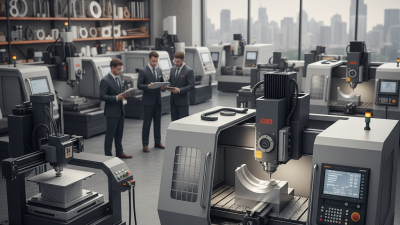
How to Choose a CNC Milling Machine in 2026?

Choosing a cnc milling machine in 2026 requires more than comparing spindle speed and purchase price. Shops now balance accuracy, automation, energy use, software compatibility, and long-term service support. The International Federation of Robotics reported 541,302 industrial robots installed worldwide in 2023, showing how quickly automated production is expanding. That trend affects milling decisions. A machine must fit the complete workflow, not operate as an isolated asset.

Industry forecasts also indicate steady growth in CNC machine tools. MarketsandMarkets’ CNC Machine Market report identifies automotive, aerospace, and general manufacturing as major demand sectors. Deloitte’s 2024 Smart Manufacturing and Operations Survey found that manufacturers continue prioritizing connected systems, productivity, and operational resilience. These findings make data access increasingly important. MTConnect compatibility, remote diagnostics, and stable controller software can reduce avoidable downtime. However, connectivity alone cannot rescue a poorly sized machine.

Start with the parts you actually produce. A small aluminum bracket may need a compact three-axis machine, while hardened steel molds can demand higher rigidity, thermal stability, and coolant capacity. Check the work envelope with the fixture installed. Confirm tool changer capacity, spindle taper, axis travel, repeatability, floor loading, and electrical requirements. Ask for documented test results based on recognized machine-tool inspection practices, such as ISO 230. Review local service response times and spare-parts availability.

No checklist is perfect. A glossy brochure can still hide maintenance costs. Measure twice. Choose capacity you can use, but leave room for realistic growth. This guide evaluates the practical criteria behind a reliable 2026 investment, using technical evidence, shop-floor experience, and independent industry research.
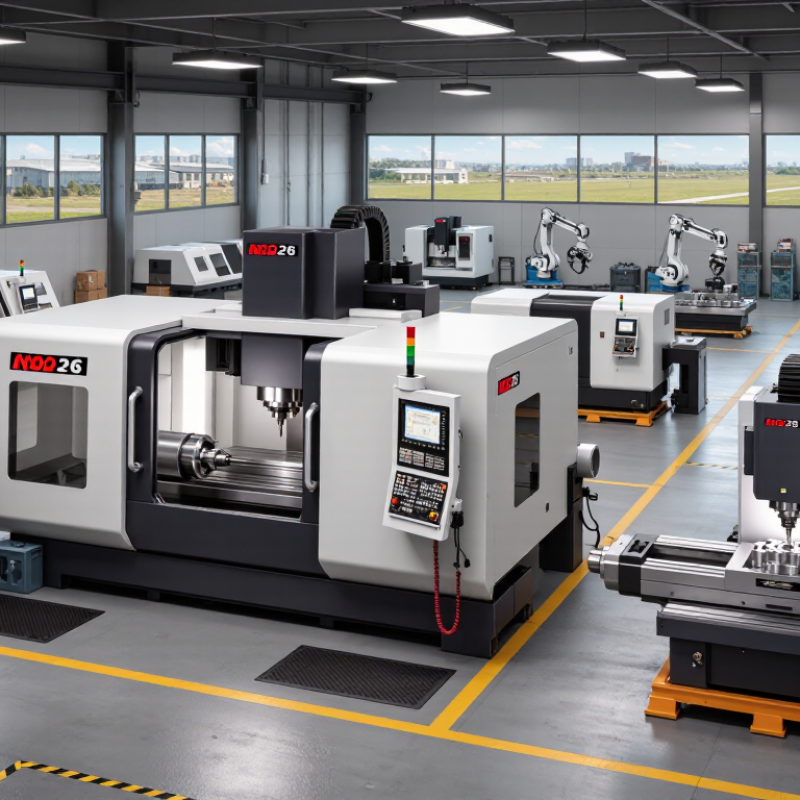
How to Choose a CNC Milling Machine in 2026?

Understanding CNC Milling Machine Types and Core Functions

Choosing a CNC milling machine in 2026 starts with its structure, not its advertised axis count. A vertical machining center suits general prismatic parts, visible setups, and easier chip removal. A horizontal machine supports heavier production and better access around multiple faces. Three-axis models handle simpler geometries. Four- and five-axis machines reduce repositioning, which can improve consistency on curved parts. More axes are not automatically better.

Core functions deserve closer inspection. Check spindle speed, torque, feed resolution, working envelope, tool capacity, probing, coolant delivery, and control recovery. A high-speed spindle may struggle with hard alloys if torque is limited. A large table is useless when the machine lacks sufficient travel. Watch the details. ISO 230-2 testing defines methods for evaluating positioning accuracy and repeatability, so buyers should request measured data, not vague precision claims.

Industry forecasts also show why this choice matters. Grand View Research reported the global CNC machine market at approximately USD 83.9 billion in 2023, with projected growth through 2030. The report links demand to automation, aerospace, automotive, and complex component production. Those sectors do not require identical machines. A small job shop may value quick setup and flexible probing more than extreme speed. A production cell may prioritize automatic tool handling and stable thermal control. I would still leave room for doubt: published specifications rarely reveal maintenance effort, operator learning time, or real cutting performance. Run a sample part before purchasing.

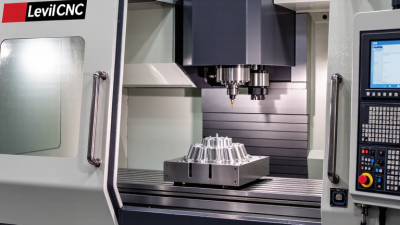
Defining Your Machining Requirements and Production Goals

How to Choose a CNC Milling Machine in 2026?

Defining Your Machining Requirements and Production Goals

A reliable machine choice begins with the parts, not the brochure. List each material, part size, weight, and required tolerance. Include the largest fixture and cutting-tool length. A small aluminum housing needs different capacity than a steel mold insert. Record surface-finish targets, hole depths, and difficult internal features. These details determine the work envelope, spindle power, tool capacity, and coolant performance.

Production goals matter equally. Estimate monthly quantities, batch sizes, setup time, and acceptable cycle time. A machine running one shift may not suit continuous production. Check whether operators can load parts safely and inspect them efficiently. Consider probing, automatic tool measurement, chip evacuation, and CAD/CAM compatibility. In practical evaluations, buyers often overestimate cutting speed and underestimate fixture changes. That mistake can reduce real output. I have also seen projects specify extremely tight tolerances without controlling temperature or measurement methods. The requirement may need review.

Tips: Build a sample process sheet before comparing machines. Test one representative part with realistic tooling, feeds, and workholding. Ask for verified accuracy data, not only rated specifications. Leave space for future parts, but avoid paying for capacity your production cannot use. A modest machine with stable thermal behavior may outperform a larger one in daily work. Keep the decision evidence-based. Record assumptions, then challenge them.

Comparing Key Specifications, Accuracy, and Compatibility

Choosing a CNC milling machine in 2026 requires more than comparing spindle speed and table size. Match the machine’s working envelope to your largest planned part, then add space for fixtures and tool access. In practice, rigidity matters more than impressive speed for steel or titanium. A report from the International Federation of Robotics recorded 541,302 industrial robot installations in 2023, showing stronger demand for automated production. That trend makes robot access, pallet interfaces, and digital communication important specifications.

Accuracy needs careful reading. ISO 230-2 separates positioning accuracy from repeatability, so one impressive number cannot describe complete performance. Check thermal compensation, ball-screw design, backlash control, and inspection methods. Ask for test results at operating temperature, not only factory-room conditions. I still allow a practical tolerance margin, because real fixtures, coolant, and operator habits create variation. A spreadsheet can mislead.

Tips: Request a sample cut using your material, cutter, and target tolerance. Confirm controller file formats, probing support, tool-holder standards, voltage, and service access. Review independent test data, including volumetric accuracy and repeatability. The machine must fit your workflow, not merely your budget. Compatibility is often the hidden cost.

Evaluating Software, Automation, Safety, and Operator Requirements

Choosing a CNC milling machine in 2026 requires more than comparing spindle speed and table size.

Software now shapes daily productivity. I inspect toolpath simulation, postprocessor accuracy, file compatibility, and update policies before considering hardware. A simulated collision should appear clearly, not as a vague warning. Test it live. I also check whether operators can recover from a failed program without calling an engineer. That detail often separates useful software from impressive software.

Automation should match the real workload, not an optimistic production forecast. A pallet changer, probing system, or tool monitor can reduce interruptions, but each adds setup and maintenance tasks. I measure actual cycle times with sample parts and record loading errors.

Safety deserves the same practical attention. Verify guarding, door interlocks, emergency stops, chip control, and clear maintenance procedures against applicable workplace requirements. Operators need readable screens, sensible alarms, and training that includes abnormal situations. A machine may be technically safe yet difficult to use safely at 6 a.m. during a rushed shift.

I still get this wrong sometimes. A short demonstration can hide fatigue, awkward access, or confusing menus. Ask operators to run the machine, change a tool, clear an alarm, and explain the recovery process. Their hesitation is valuable evidence.

Reliable documentation, available technical support, and transparent training costs should influence the final choice as much as cutting performance.

Calculating Total Cost, Maintenance Needs, and Long-Term Value

Choosing a CNC milling machine in 2026 requires more than comparing purchase prices. Calculate the total cost over five to eight years. Include tooling, workholding, software, installation, training, energy, and floor preparation. A machine priced at $80,000 may need another $15,000 before producing its first part. Ask for documented cycle times, power requirements, and service response terms. Real production data matters more than showroom demonstrations.

Maintenance can quietly decide profitability. Review lubrication intervals, spindle service schedules, filter costs, and inspection points. A clean, accessible control cabinet saves technician time. So does clear diagnostic reporting. Estimate planned maintenance hours each month, then add an allowance for unexpected downtime. This allowance is easy to underestimate. In my experience, a low-cost machine becomes expensive when one failed spindle stops urgent jobs. Check local technical support, spare-part availability, and training options before signing. Request maintenance records from comparable installations when possible.

Long-term value depends on useful output, not resale value alone. Compare accuracy retention, automation compatibility, safety features, and material capacity. Calculate cost per productive hour by dividing five-year cost by expected operating hours. Use realistic utilization, not an optimistic 90 percent. A smaller machine running steadily may outperform a larger unit used occasionally. Test sample parts under normal conditions. Future demand remains difficult to predict. Leave capacity for growth, but avoid unsupported features. Recheck the calculation after quotes, site surveys, and trial runs.

How to Choose a CNC Milling Machine in 2026?

Five-year total cost of ownership comparison by machine category. Purchase, installation, tooling, maintenance, energy, and expected downtime are shown in USD.

A lower purchase price does not always mean better long-term value. Maintenance, tooling, energy use, and downtime can materially change the five-year ownership cost. These figures are practical planning estimates for typical 2026 purchasing analysis; actual costs vary by configuration, workload, region, and utilization.