What Is the Best Home CNC Machine from China?
Choosing the best home cnc machine from China is not simply a matter of finding the lowest price. A desktop router cutting plywood and a compact mill shaping aluminum have different demands. Frame rigidity, spindle power, usable work area, controller quality, and access to replacement parts can matter more than impressive specifications. Small details count: Will the machine fit on a sturdy bench? Can its enclosure contain chips and noise? Is setup clear enough for a first-time operator?
The wider industry offers context, but not a direct answer. Grand View Research’s CNC Machine Market Size, Share & Trends Analysis Report estimated the global CNC machine market at about $101.3 billion in 2023 and projected continued growth through 2030. That figure covers industrial equipment, not home machines. Still, it shows why buyers face a crowded field of products and claims. Bigger market, more choices.
A useful comparison should separate verified specifications from marketing language. Look for published accuracy and repeatability figures, realistic material limits, clear electrical requirements, and documented support channels. Reviews can reveal practical issues, such as loose connectors or confusing software, but one owner’s result is not a controlled test. Chinese manufacturers vary widely, and a low-cost machine may need careful setup or upgrades. That matters. This guide weighs capability, safety, value, and after-sales support to help identify which machine suits a real workspace—not just a product photo.
What Is a Home CNC Machine and How Does It Work?
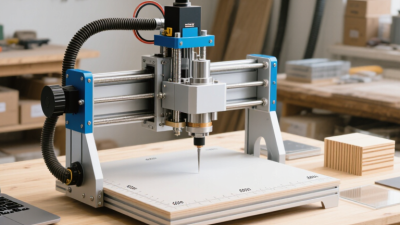
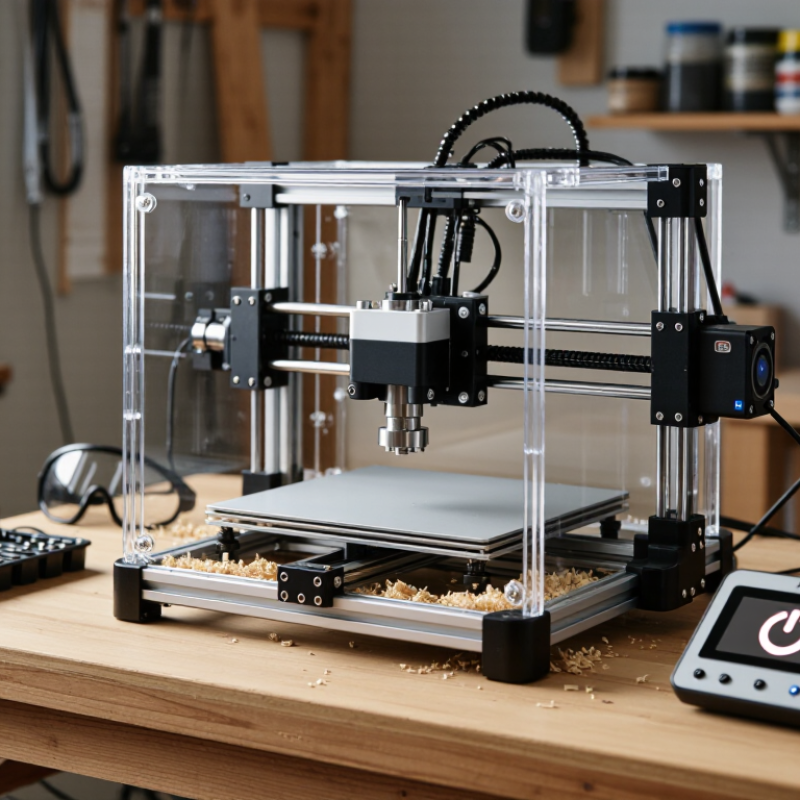
A home CNC machine is a computer-controlled tool that cuts, drills, or engraves material along programmed paths. Most desktop models use a moving spindle and three axes: X, Y, and Z. The spindle holds a cutting bit, while clamps keep the workpiece steady. Common projects include wooden signs, small panels, and custom-fit parts. It is not a magic box. Material, bit choice, and machine rigidity all affect the result.
The process starts with a digital drawing. CAM software converts that design into toolpaths and machine instructions, often called G-code. A controller reads the instructions and moves the axes while the spindle cuts. The operator still needs to set the work origin, choose safe cutting speeds, and check that the bit clears clamps. A shallow test cut can reveal setup errors before they ruin a full piece. Exact capabilities vary, so check the machine’s working area, supported materials, and safety features before buying from China.
Tips: Secure the workpiece firmly, wear suitable eye protection, and manage dust with extraction or careful cleanup. Start small. Use a scrap piece to test settings. Keep the cutting area clear, and never leave a running machine unattended. Results can still be imperfect; that is a useful reminder to review each setup rather than trust the software alone.
What Is the Best Home CNC Machine from China?
What Is a Home CNC Machine and How Does It Work?
A home CNC machine uses computer-controlled motors to move a cutting tool along programmed paths. A design is converted into toolpaths, then the controller coordinates movement along the X, Y, and Z axes to cut, engrave, or mill a material.
Typical Travel Ranges for Hobby-Class CNC Machines
Travel range describes how far the machine’s tool can move along an axis. The ranges shown are approximate examples for common hobby-class configurations, not specifications for every machine. Choose a machine based on the size and materials of your projects, as well as its rigidity, spindle, and safety features.
Which Types of CNC Machines from China Suit Home Workshops?
For most home workshops, a desktop CNC router is a practical starting point. Its moving gantry and trim-style spindle suit signs, panels, and small parts made from wood, foam, or plastic. Check the usable cutting area, not just the machine’s outside dimensions; a 300-by-180-millimeter bed can feel cramped once clamps are installed. Dust collection matters, too. Fine wood dust quickly settles on rails and nearby tools.
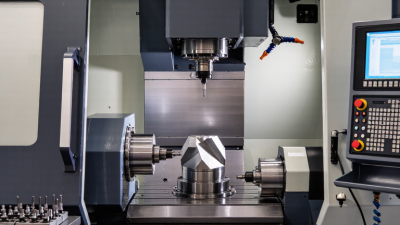
A compact CNC mill is better for aluminum and other soft metals, provided its frame is rigid and its spindle supports suitable cutters. It usually works more slowly than a router, and coolant or chip control may take extra space. A CNC laser engraver fits shallow marking and thin-sheet projects, but it cannot replace a router or mill for deep cutting. Not even close. Before choosing, measure the bench, check power and noise limits, and confirm that replacement parts and clear setup instructions are available. It is tempting to buy the largest work area, but a smaller, well-supported machine may be easier to keep accurate. I would still allow room for upgrades; home workshops rarely stay unchanged.
What Features Matter Most When Comparing Home CNC Machines?
Choosing the best home CNC machine from China starts with matching its work area to real projects. A 300-by-400-millimeter bed may suit signs, brackets, and small panels, but advertised dimensions do not always equal usable cutting space. Check the machine’s frame, too. Aluminum profiles are light, while thicker plates or reinforced joints can reduce vibration. That matters. A flexible frame may leave chatter marks on hardwood, even with a sharp cutter. Spindle power is only one factor; speed control, collet size, and replacement-part availability affect everyday use.
For home work, compare motion accuracy, controller compatibility, and setup requirements. Clear instructions and accessible wiring diagrams can save hours, especially when the machine arrives partly assembled. Small details count. Ask whether the control software works with your computer and common design-file formats. Consider dust collection, guarding, emergency stop access, and noise before choosing a location. Noise is easy to miss. A compact machine can still sound harsh in a spare room. Check supported materials carefully; published cutting examples may not reflect your tool, feed rate, or workholding. I would also look for practical support and spare parts, not just a low price. A slightly less powerful machine may be the steadier choice for repeated, careful cuts.
How Do Chinese CNC Machines Differ in Price, Support, and Quality?
Chinese home CNC machines can offer attractive prices, but the advertised figure rarely tells the whole story. Compare the delivered cost, including shipping, setup, tooling, and replacement parts. A low price may reflect a lighter frame or fewer included accessories, not necessarily poor workmanship. Check the machine’s stated working area, spindle specifications, and repeatability. Ask for measurement records or a sample cut in your intended material. Details matter.
Support can vary as much as price. Before buying, ask how quickly the seller answers technical questions and whether manuals, wiring diagrams, and spare parts are available. Time-zone differences can slow troubleshooting. Clear documentation helps, especially when you are aligning the spindle or adjusting steps. Quality is easier to assess through consistent inspection data than polished photos. Still, no checklist can fully replace seeing a machine run. I would be cautious about treating one good demonstration as proof of long-term reliability.
Tips: Request a written list of included parts, warranty coverage, and support response times. Check the machine’s noise and footprint against your workspace. Leave room for surprises; I would not assume every specification tells the full story.
How Can You Choose the Best Machine for Your Home Projects?
Choosing a home CNC machine starts with the projects you actually plan to make. For engraved signs, small panels, and model parts, a compact router may be enough. Check its working area against your largest planned piece, then leave room for clamps around the edges. A 300-by-400-millimeter bed can feel surprisingly small once a board is secured.
Look beyond the advertised spindle power. A rigid frame, smooth motion, and a trammed spindle often matter more for clean cuts. Ask for the machine’s repeatability, compatible bit sizes, and recommended materials. If the specifications are unclear, request a dimensioned drawing and a video of a real cut. Details matter. A demo that only shows air-cutting tells you little about finished edges.
At home, noise and dust collection are practical constraints, not extras. Check the machine’s footprint, enclosure options, and electrical requirements before ordering from overseas. Confirm what support is available, how replacement parts are shipped, and whether setup instructions are understandable. Keep room in the budget for clamps, cutters, and dust control. I would not assume the lowest-priced package is the best value; comparing those extras can change the calculation. Nor can a spec sheet predict every vibration on your workbench. A small test cut in scrap wood can reveal more than a polished product photo.