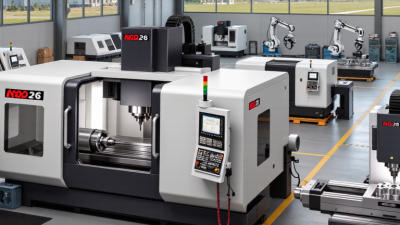
China Top 5 Axis CNC Manufacturers for Global Buyers

China has become a major force in advanced metalworking, and its axis cnc manufacturers now serve automotive, aerospace, medical, and precision tooling buyers worldwide. According to Fortune Business Insights, the global CNC machine market was valued at approximately USD 83.66 billion in 2023. The same report projects continued growth through 2032, supported by automation, shorter production cycles, and demand for complex components.

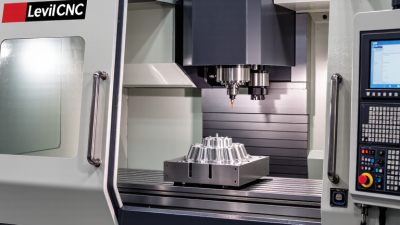
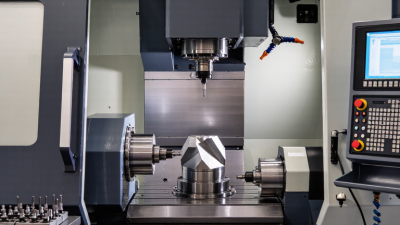
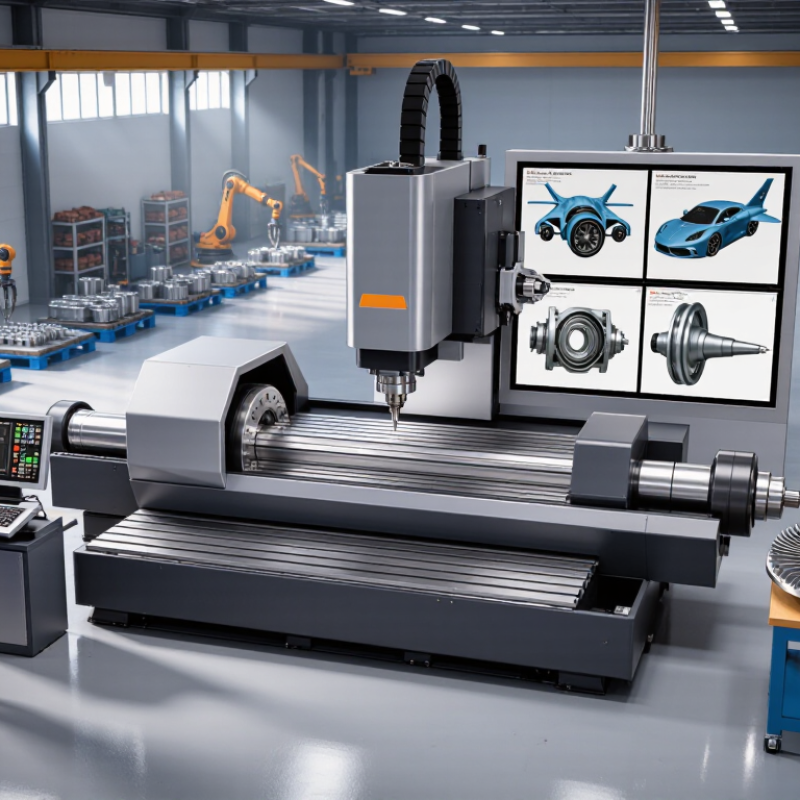
Five-axis machining is especially valuable when one setup must reach several surfaces. Picture an aluminum impeller secured once, while the cutting tool moves around curved blades with fewer repositioning errors. This capability can reduce handling time and improve surface consistency. However, machine specifications alone do not prove manufacturing quality. Buyers should examine spindle performance, controller compatibility, positional accuracy, service response, and verified customer applications.

The China Machine Tool Industry Association has repeatedly highlighted China’s expanding role in intelligent manufacturing and high-end equipment development. Yet, global buyers should remain careful. Factory scale can look impressive, but after-sales support may be uneven. Some catalogs also present optimistic accuracy figures without explaining testing conditions. That caveat matters.

This guide evaluates five Chinese manufacturers through practical purchasing criteria, including engineering experience, export history, customization ability, inspection procedures, certifications, and technical support. It does not assume the largest supplier is the best supplier. Instead, it considers how each company performs under real production pressure, from sample machining and chip removal to installation and long-term maintenance. Independent verification remains essential. Manufacturers change, and published data can become outdated.
China Top 5 Axis CNC Manufacturers for Global Buyers

What Five-Axis CNC Machining Means for Global Buyers

For global buyers, five-axis CNC machining means more than adding two rotary movements. A cutting tool can approach a part from several directions during one setup. This reduces repositioning errors and protects important geometric relationships. It suits turbine-style parts, medical components, molds, and complex aerospace structures.

In practical sourcing, the main benefit is consistency. Fewer setups can improve positional accuracy and reduce handling marks. It may also shorten production time for intricate parts. However, five-axis machining is not automatically faster. Poor toolpath planning, weak workholding, or inexperienced programming can create costly delays. A low quotation may hide extra finishing work.

Experienced buyers should request tolerance charts, material certificates, inspection methods, and sample reports. Confirm whether the supplier measures features with calibrated equipment. Ask how operators control thermal changes during long cycles. Clear drawings help, but clear communication matters more than many teams expect. Time-zone gaps can still cause mistakes. Use numbered revisions and written approval records. A reliable supplier should explain difficult areas before production, not after failure. In my experience, the best results come from realistic tolerances, stable materials, and honest discussions about what the process cannot achieve.

How China’s Leading Five-Axis CNC Manufacturers Are Evaluated

China Top 5 Axis CNC Manufacturers for Global Buyers

How China’s Leading Five-Axis CNC Manufacturers Are Evaluated

Evaluating a five-axis CNC manufacturer requires more than comparing machine prices. Buyers should inspect spindle performance, axis design, thermal control, and repeatability under real production conditions. A polished showroom proves little. Paper is not proof.

A practical evaluation begins with sample machining. Ask each manufacturer to produce a complex part with deep cavities, angled surfaces, and tight tolerances. Measure the finished part with calibrated equipment, then compare the results with the inspection report. Check whether the report includes measurement uncertainty, environmental conditions, and tool compensation records. These details reveal professional discipline.

The control system also deserves careful review. Reliable manufacturers explain post-processing, collision avoidance, maintenance access, and operator training without vague promises. Factory visitors should examine assembly areas, calibration records, quality procedures, and spare-parts planning. Documentation should be clear and traceable.

Technical support can separate a capable supplier from a risky one. Confirm response times, remote assistance methods, installation support, and training materials before signing an agreement. Ask for references from buyers using similar materials and tolerances. Some evaluations stop too early. That is a mistake.

No manufacturer is perfect. Even strong suppliers may struggle with delayed feedback or inconsistent documentation during busy periods. I would record these weaknesses instead of hiding them. A realistic score should balance machining accuracy, engineering knowledge, production capacity, quality evidence, and after-sales reliability. The best choice is rarely the cheapest quotation.

China Top 5 Axis CNC Manufacturers for Global Buyers

How China’s Leading Five-Axis CNC Manufacturers Are Evaluated

This reference model shows a practical procurement weighting for comparing five-axis CNC manufacturers. The criteria reflect commonly verified requirements in international machine-tool purchasing, including positioning performance under ISO 230-2, machining-center requirements under ISO 10791, machine safety, spindle capability, calibration, documentation, and after-sales support. The percentages are evaluation weights rather than company-specific performance scores.

Profiles of China’s Top Five Five-Axis CNC Manufacturers

China Top 5 Axis CNC Manufacturers for Global Buyers

Profiles of China’s Top Five Five-Axis CNC Manufacturers

China’s five-axis CNC sector is expanding with aerospace, medical, and energy demand. Grand View Research valued the global CNC machine market at about $86.8 billion in 2023. It forecasts strong growth through 2030. The International Federation of Robotics reported 276,288 industrial robot installations in China during 2023. That figure shows the country’s growing automation depth, although robotics data does not directly measure CNC quality.

Profile One represents large-scale production. Its strengths include rigid castings, automated tool changers, and broad export support. Profile Two focuses on aerospace components. Engineers there emphasize thermal control, volumetric accuracy, and simultaneous-axis testing. Profile Three serves mold and die customers. Its machines often feature high-speed spindles, fine interpolation, and polished software interfaces. Cutting tests matter more than brochures.

Profile Four targets medical and precision engineering. Its value lies in compact machines, repeatable probing, and documented inspection routines. Profile Five is a flexible mid-sized manufacturer. It offers customized fixtures, post-processors, and practical training for overseas operators. This flexibility can help smaller buyers, but service capacity deserves careful checking.

No shortlist is perfect. Buyers should request ISO 230 accuracy reports, sample parts, spindle-load records, and references from comparable factories. Export history alone can mislead. A machine may look impressive on paper, yet struggle with chip evacuation, local voltage, or difficult post-processor settings. That is where experience still counts.

Comparing Capabilities, Accuracy, Certifications, and Export Services

Choosing among China’s top five-axis CNC manufacturers requires more than comparing machine counts. A reliable evaluation examines five areas: machining capability, accuracy control, certifications, communication, and export support. Experienced suppliers should explain spindle power, working envelope, supported materials, and simultaneous five-axis performance in practical terms.

Accuracy claims need evidence. Ask for recent inspection reports, CMM data, and sample parts with tight contours. A stated tolerance of ±0.01 mm may apply only under controlled conditions. Temperature, tool wear, material hardness, and part size can change results. Request a trial order. Small details matter.

Certifications also deserve careful review. ISO 9001 can indicate structured quality management, but it does not guarantee every part is perfect. Check certificate validity, inspection procedures, and traceability records. Export-ready manufacturers should provide clear quotations, material certificates, secure packaging, customs documents, and realistic lead times. Some also support DFM reviews, prototype adjustments, and replacement-part planning.

Communication is often overlooked. A strong engineering contact can explain datum choices and machining risks without hiding weaknesses. That matters. One practical concern remains: online capability pages may be outdated. Buyers should verify current equipment, audit production areas, and compare actual samples before signing a long-term agreement.

Key Factors for Choosing the Right Chinese CNC Manufacturer

Choosing among China’s top five-axis CNC manufacturers requires more than comparing prices. Buyers should examine machining accuracy, equipment condition, and process control. Ask for recent inspection reports, calibration records, and sample parts made from similar materials. A supplier that explains its tolerances clearly usually understands production risks. Vague promises deserve caution.

Production experience matters in real projects. Review the manufacturer’s work with aerospace-grade aluminum, stainless steel, or complex molded components, when relevant to your design. Check whether engineers can read GD&T drawings and suggest practical design improvements. Ask how they manage tool wear, surface finish, and first-article inspection. Small details matter. A clean workshop is useful, but documented procedures are stronger evidence.

Communication can decide whether a good machine delivers a good result. Confirm response times, revision control, packaging methods, and replacement-part support before signing an agreement. Request a clear timeline with machining, inspection, and shipping stages. Export experience is valuable, but it should be supported by accurate documents and consistent records. A polished factory tour proves little if quality data is missing. Buyers should also admit one uncomfortable truth: the cheapest quotation may hide engineering changes, delayed feedback, or repeated sampling. Independent audits and a small trial order can reveal problems earlier, although they require extra time and budget.

China Top 5 Axis CNC Manufacturers for Global Buyers - Key Factors for Choosing the Right Chinese CNC Manufacturer

Anonymous Supplier Profile Typical 5-Axis Machine Configuration Typical Working Envelope Spindle Speed Range Positioning Accuracy Reference Common Compliance Evidence Estimated Export Lead Time Best-Fit Buyer Verification Priorities
Profile A 3+2 or continuous 5-axis machining center; trunnion table design Approximately 500–800 mm X-axis travel; 400–600 mm Y-axis travel; 400–600 mm Z-axis travel 8,000–15,000 rpm Around ±0.005–0.010 mm, subject to machine size and test conditions ISO 9001 certificate; factory inspection records; machine accuracy test report 8–16 weeks for standard configurations General industrial parts, fixtures, and medium-complexity components Confirm rotary-axis backlash, volumetric accuracy, sample machining, and after-sales response time
Profile B Continuous 5-axis machining center; direct-drive rotary and tilting axes Approximately 600–1,000 mm X-axis travel; 500–700 mm Y-axis travel; 500–700 mm Z-axis travel 12,000–20,000 rpm Around ±0.003–0.008 mm under controlled inspection conditions ISO 9001; ISO 230-2 test data; calibration certificates for inspection equipment 10–20 weeks, depending on options and control system Aerospace subcontractors, precision mold makers, and medical component manufacturers Request five-axis contouring tests, thermal compensation details, and controller compatibility
Profile C Heavy-duty 5-axis machining center; geared rotary table for high torque Approximately 800–1,500 mm X-axis travel; 600–900 mm Y-axis travel; 600–900 mm Z-axis travel 6,000–12,000 rpm Around ±0.008–0.015 mm, depending on load and workpiece size ISO 9001; load testing records; electrical safety documentation; CE documentation when applicable 12–24 weeks for large or customized machines Energy, transportation, construction equipment, and large metal components Evaluate torque capacity, table load rating, chip evacuation, foundation requirements, and installation support
Profile D Compact simultaneous 5-axis center; high-speed spindle and integrated automation options Approximately 300–600 mm X-axis travel; 300–500 mm Y-axis travel; 300–500 mm Z-axis travel 15,000–24,000 rpm Around ±0.003–0.008 mm for suitable workpiece sizes and operating conditions ISO 9001; factory acceptance test; repeatability records; software integration documentation 8–18 weeks for configured production cells Small precision parts, electronics tooling, dental components, and research applications Check automation interfaces, tool-change reliability, spindle runout, and remote diagnostic capability
Profile E Flexible 5-axis production center; pallet changer and probing system available Approximately 500–1,200 mm X-axis travel; 400–700 mm Y-axis travel; 400–700 mm Z-axis travel 10,000–18,000 rpm Around ±0.005–0.012 mm, depending on configuration and inspection method ISO 9001; CE or equivalent market documentation; preventive-maintenance records; FAT protocol 10–22 weeks for machines with automation and custom tooling Contract manufacturers and medium-volume production facilities Compare total cost of ownership, spare-parts availability, training coverage, and local service capability
Buyer Note: The figures shown are typical published or quotation-stage ranges for Chinese 5-axis CNC machine categories. Actual performance depends on machine size, workpiece material, controller, tooling, thermal conditions, inspection method, and factory acceptance testing. Buyers should request traceable test reports based on ISO 230-2 or an equivalent agreed inspection standard before placing an order.